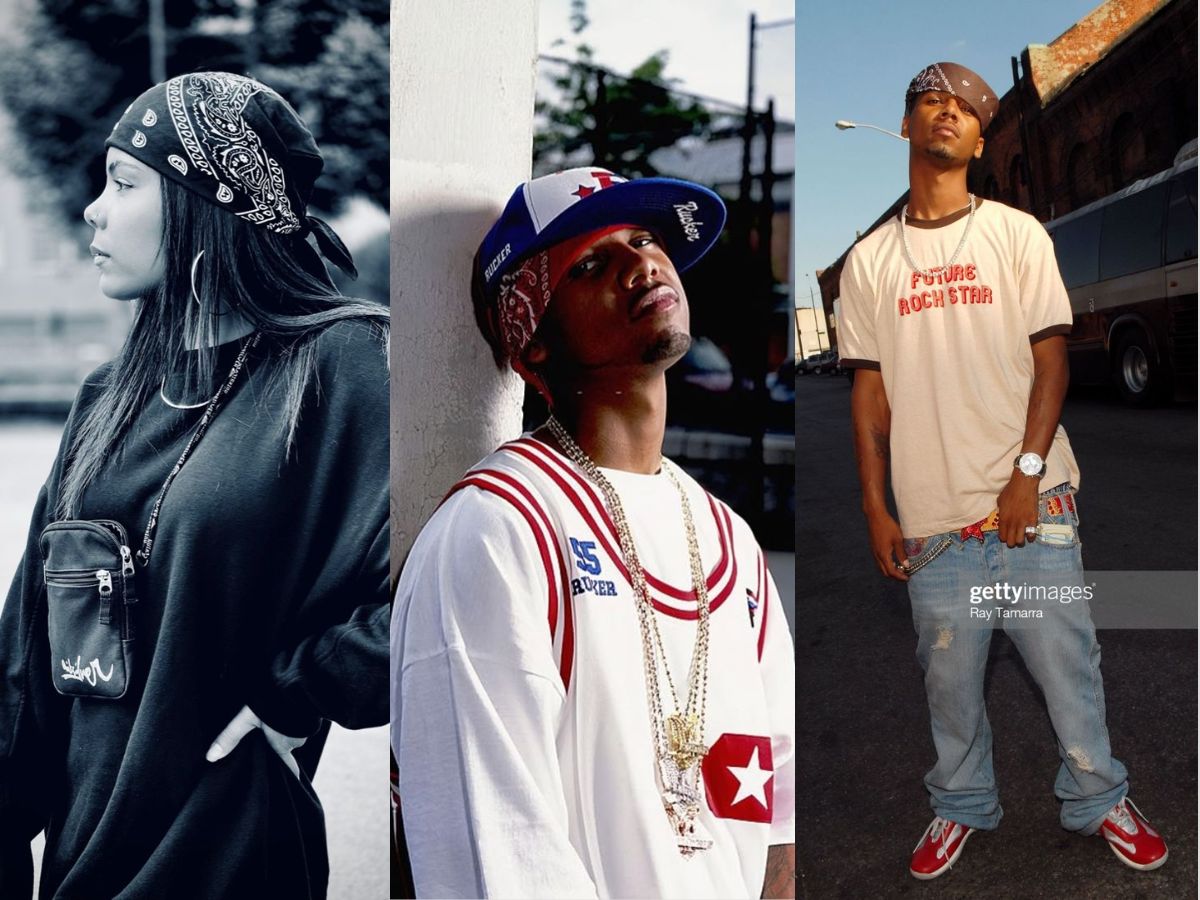
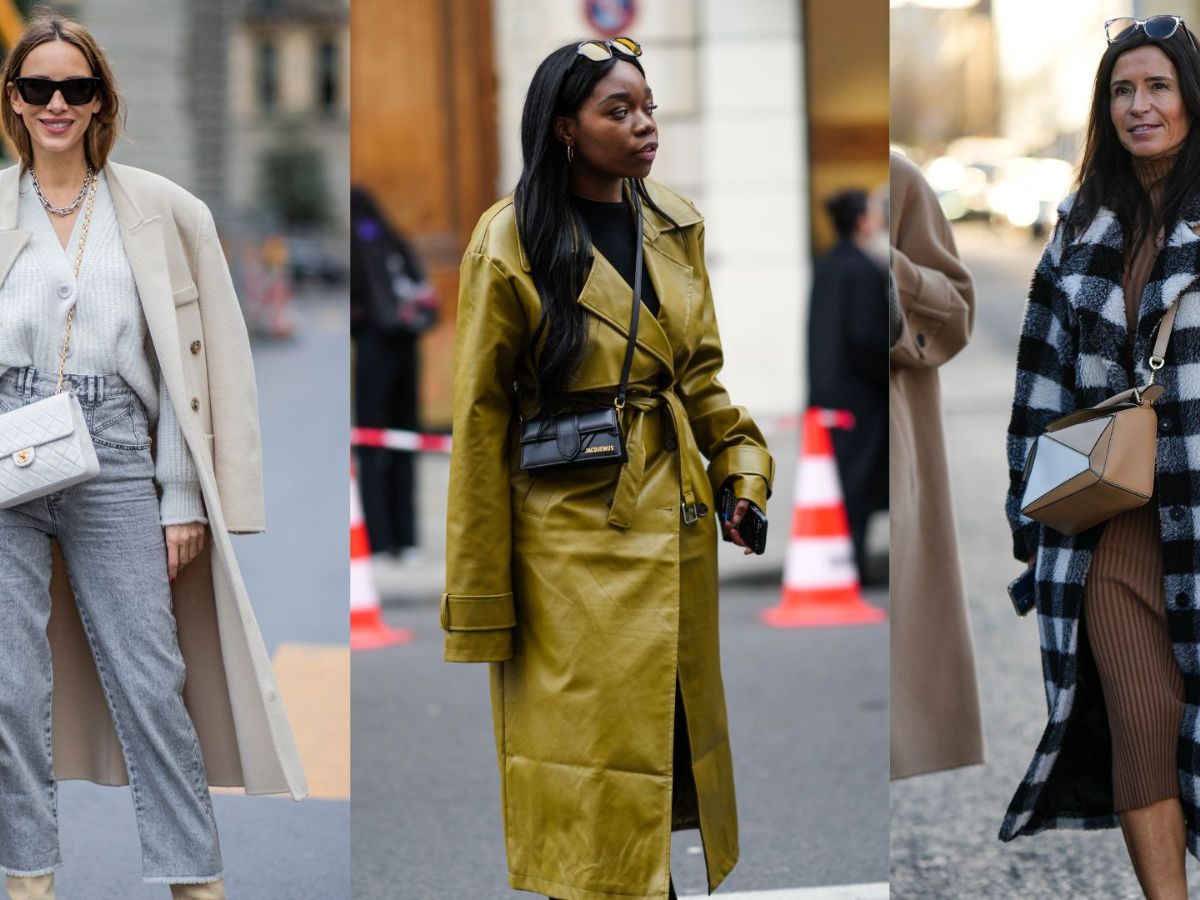
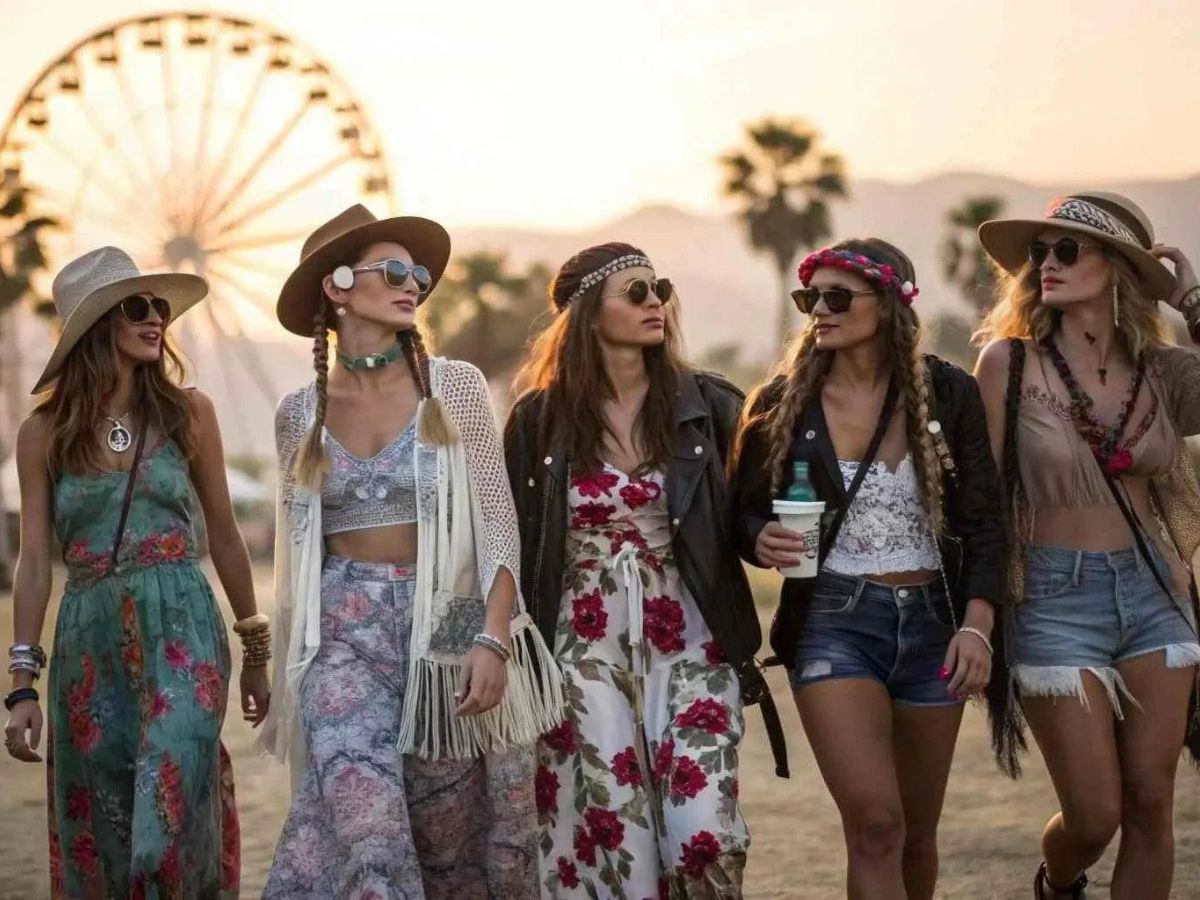
In the world of fashion, even the smallest detail in an outfit can say a lot about a person’s character. For men, that detail often comes down to the tie. It’s not about how expensive or cheap it is; it’s about what it reveals about how much thought you put into the way you present yourself. An otherwise ordinary suit can suddenly stand out the moment it’s paired with the right tie.
This guide won’t turn you into a fashion expert. What it can do is help you understand ties a little better, so you can make smarter, more confident choices the next time you’re picking one out, whether it’s for yourself or as a gift for someone you care about.
What Is a Tie?
A tie – sometimes still called a “cravat,” tracing back to its French origins, is a fashion accessory made from a long strip of fabric, typically silk, cotton, or wool. It’s knotted just beneath the shirt collar, with both ends running down the chest, the wider end positioned in front to conceal the buttons and create a polished, refined look.
The tie’s earliest ancestor wasn’t quite so refined as colorful neck scarves, knotted loosely, worn by Croatian soldiers. King Louis XIV of France was so taken with the look that he made it a required accessory at the French royal court and from there, the tie never really left.
Popular Tie Styles
Standard Tie
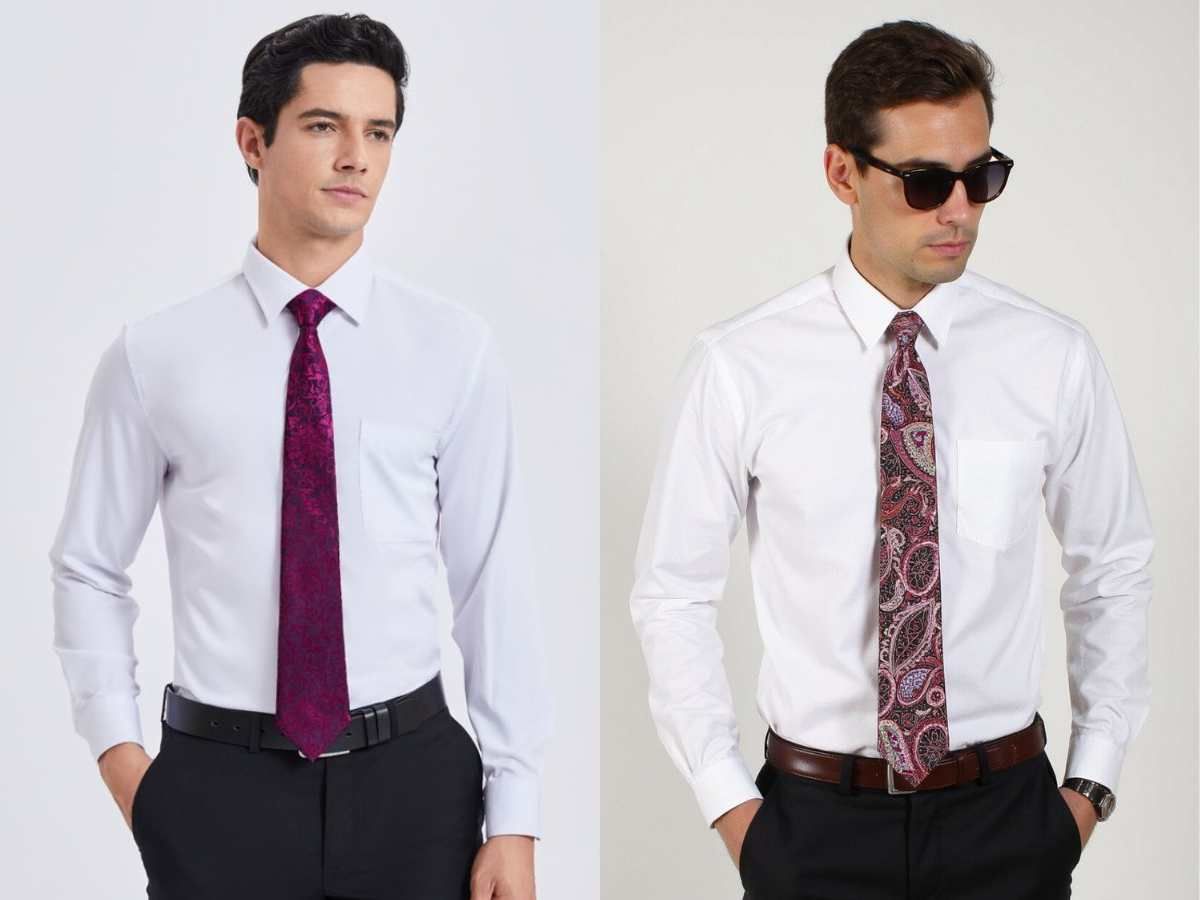
Every man needs one of these. It pairs naturally with classic two-button suits, traditional collared shirts, and pretty much any setting that calls for a bit of formality, such as important meetings, office events and black-tie dinners.
Its silhouette tapers from a wide blade down to a pointed tip, with standard dimensions running about 8 – 9 cm wide and 147 – 152 cm long.

Kipper Tie
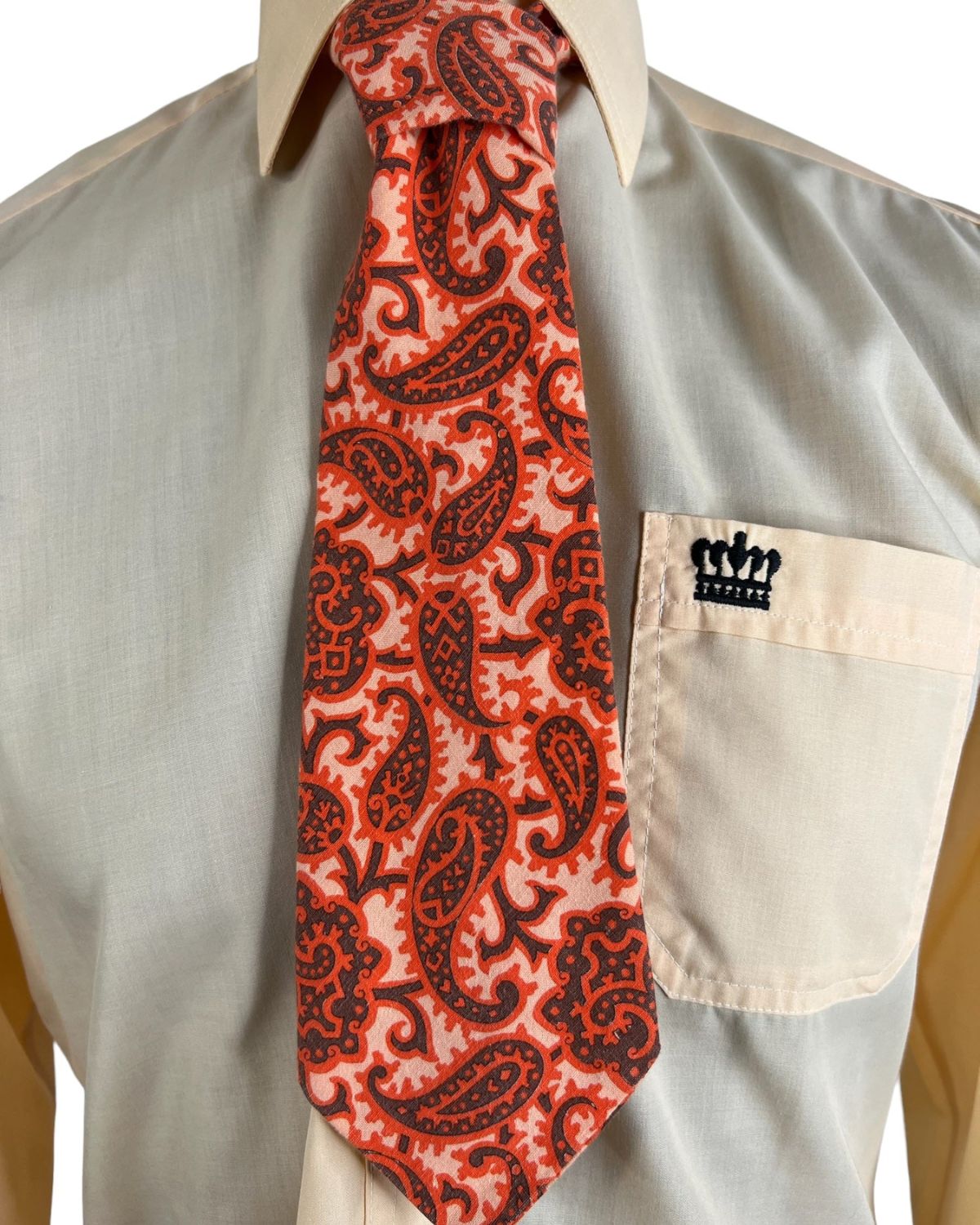
Recognizable by its dramatically wide blade, anywhere from 11 to 14 cm, the Kipper tie usually comes in bold colors and even bolder patterns. It had its moment in Britain from the mid-60s through the late 70s, when it was, quite simply, everywhere.
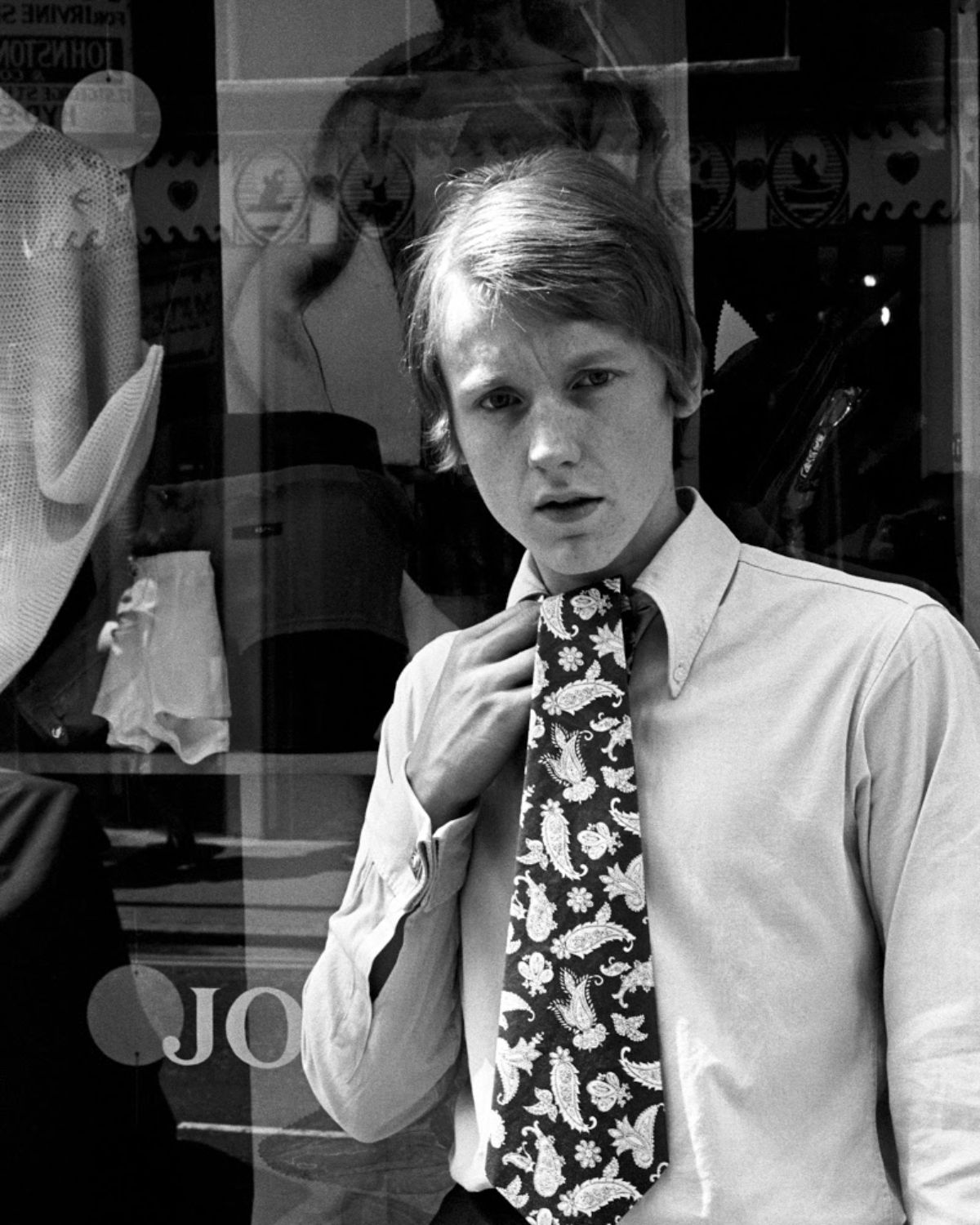
Today, it pairs best with wide, pointed collar shirts, leaning into a deliberately retro, vintage feel.
Skinny Tie
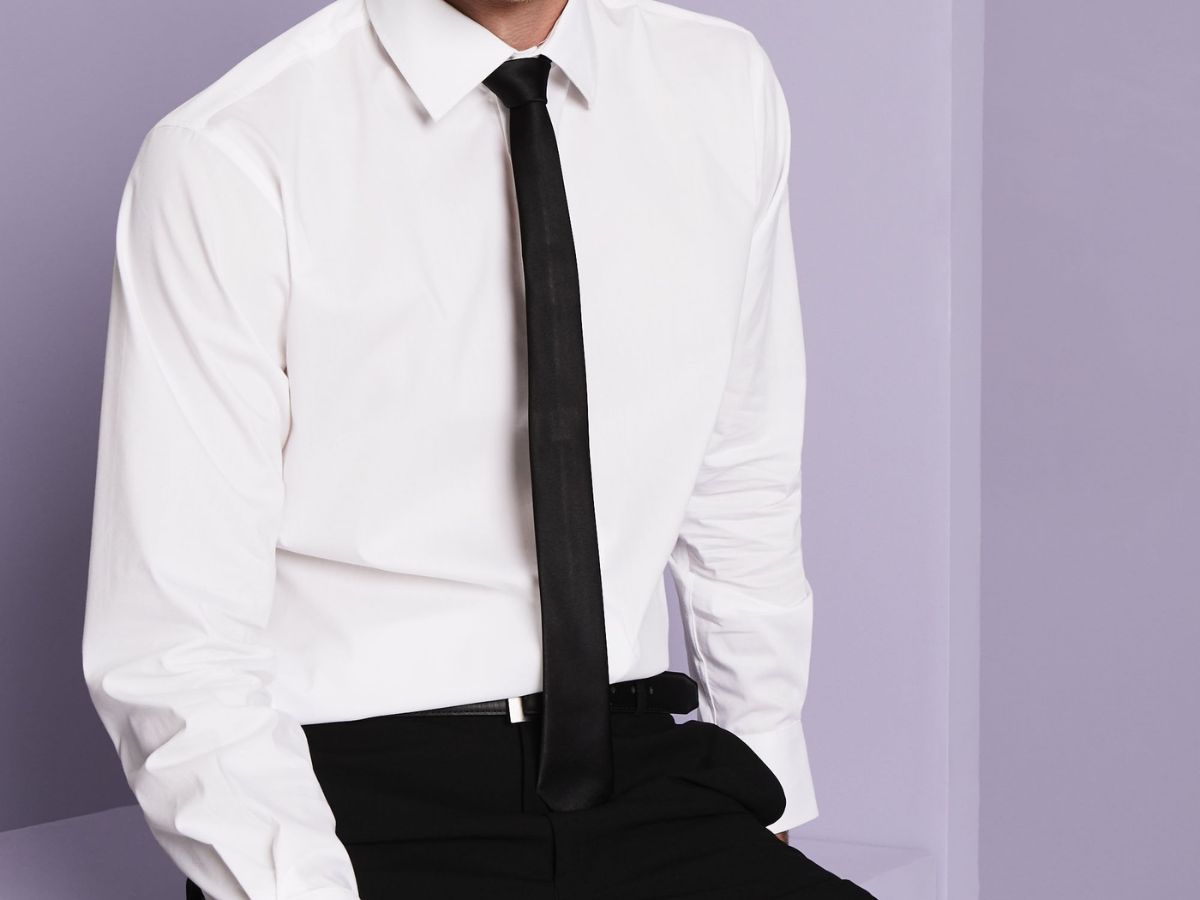
The skinny tie works best with slim-fit suits and button-down collars or really, any outfit aiming for sharp without looking like it’s headed straight to a boardroom.
Born out of the 1960s mod movement and revived in the early 2000s through indie and streetwear culture, it’s become the tie of choice for people who like bending the rules, just in a controlled, intentional way.
Seven-Fold Tie
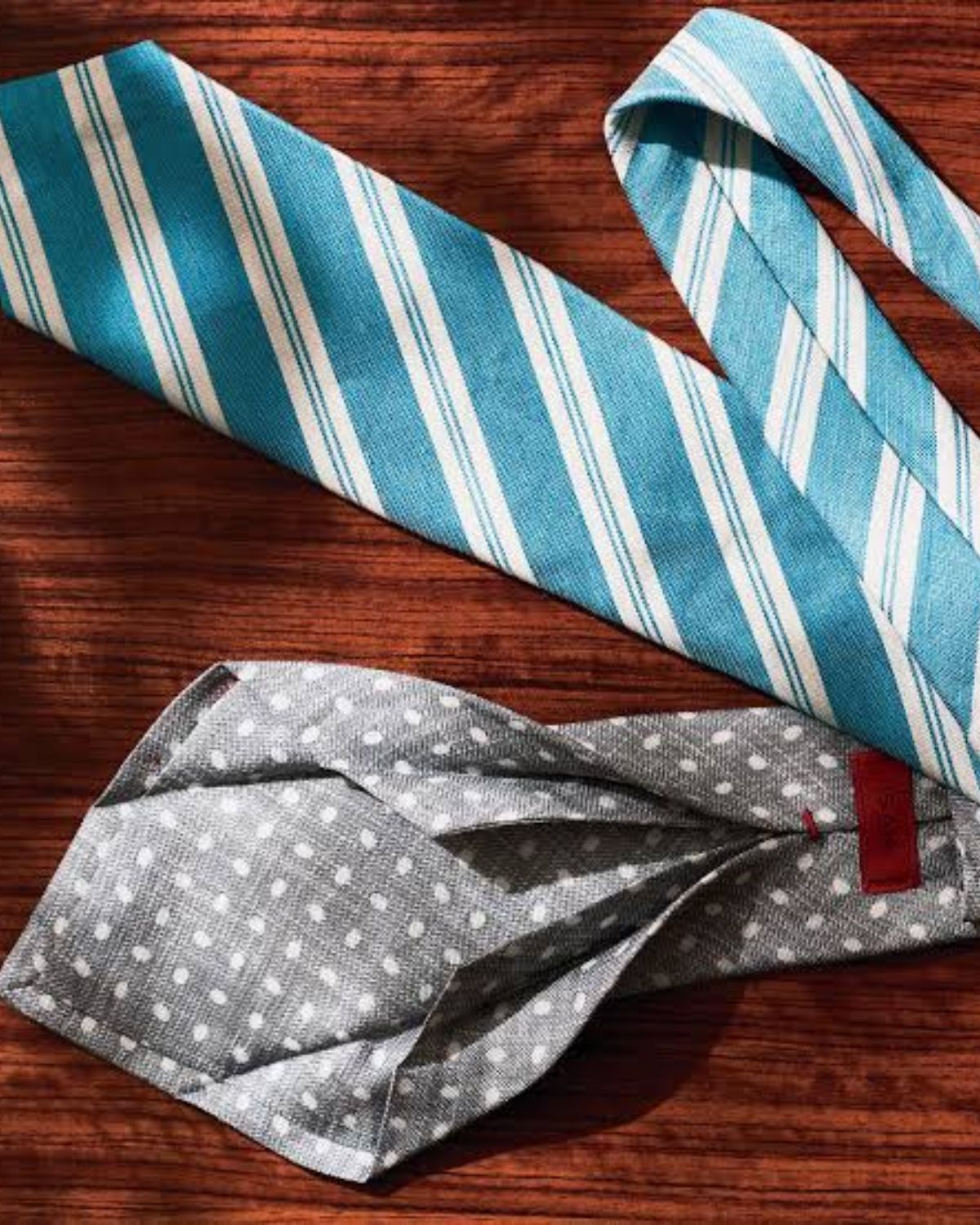
At a glance, the seven-fold tie doesn’t look all that different from a standard one. Look closer, though, and you’ll notice it’s noticeably thicker.
Most ties are made by folding a single piece of fabric three or five times, then reinforcing it with an interior lining to hold its shape. The seven-fold skips the lining altogether, relying instead on seven folds of fabric to do that work. It’s a far more labor-intensive process, demanding real skill from the makers, which is exactly why these ties tend to come with a higher price tag.
Bow Tie
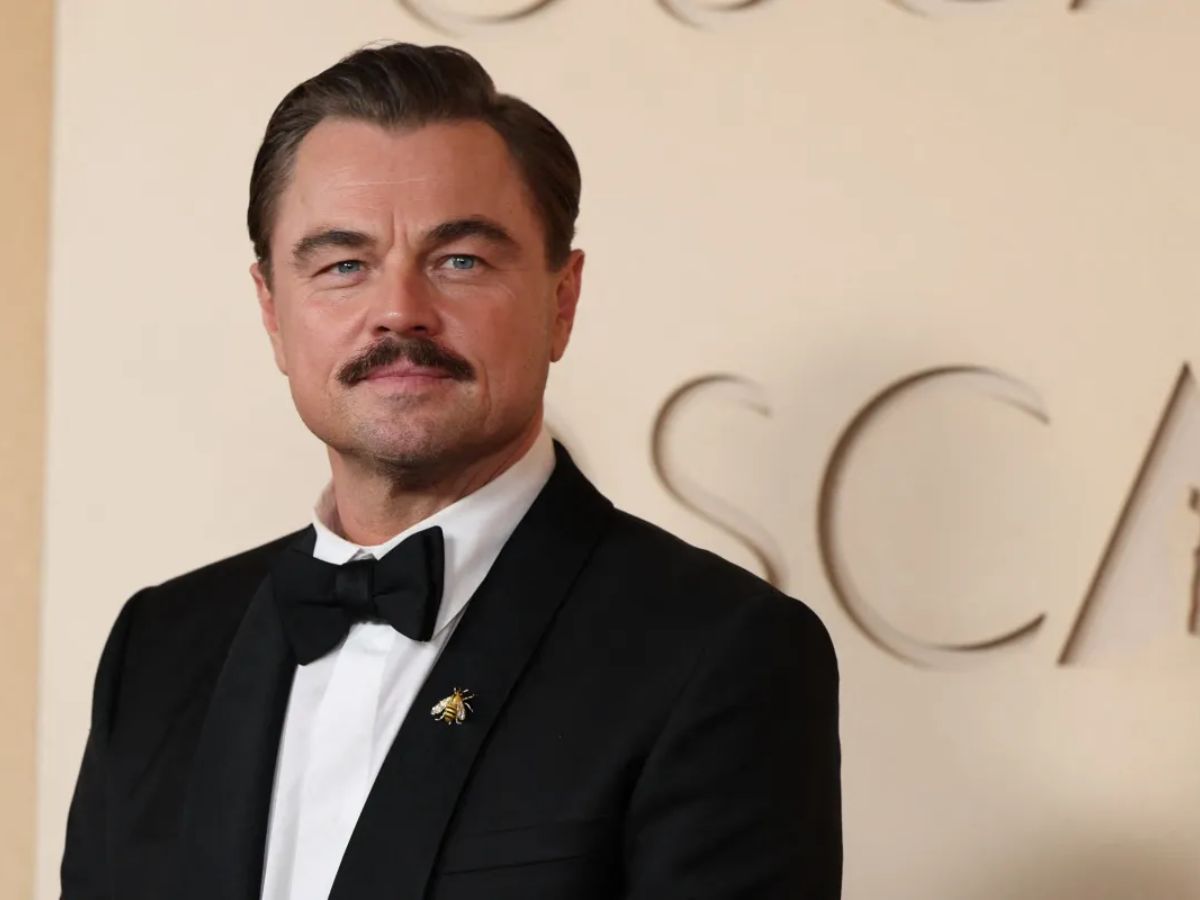
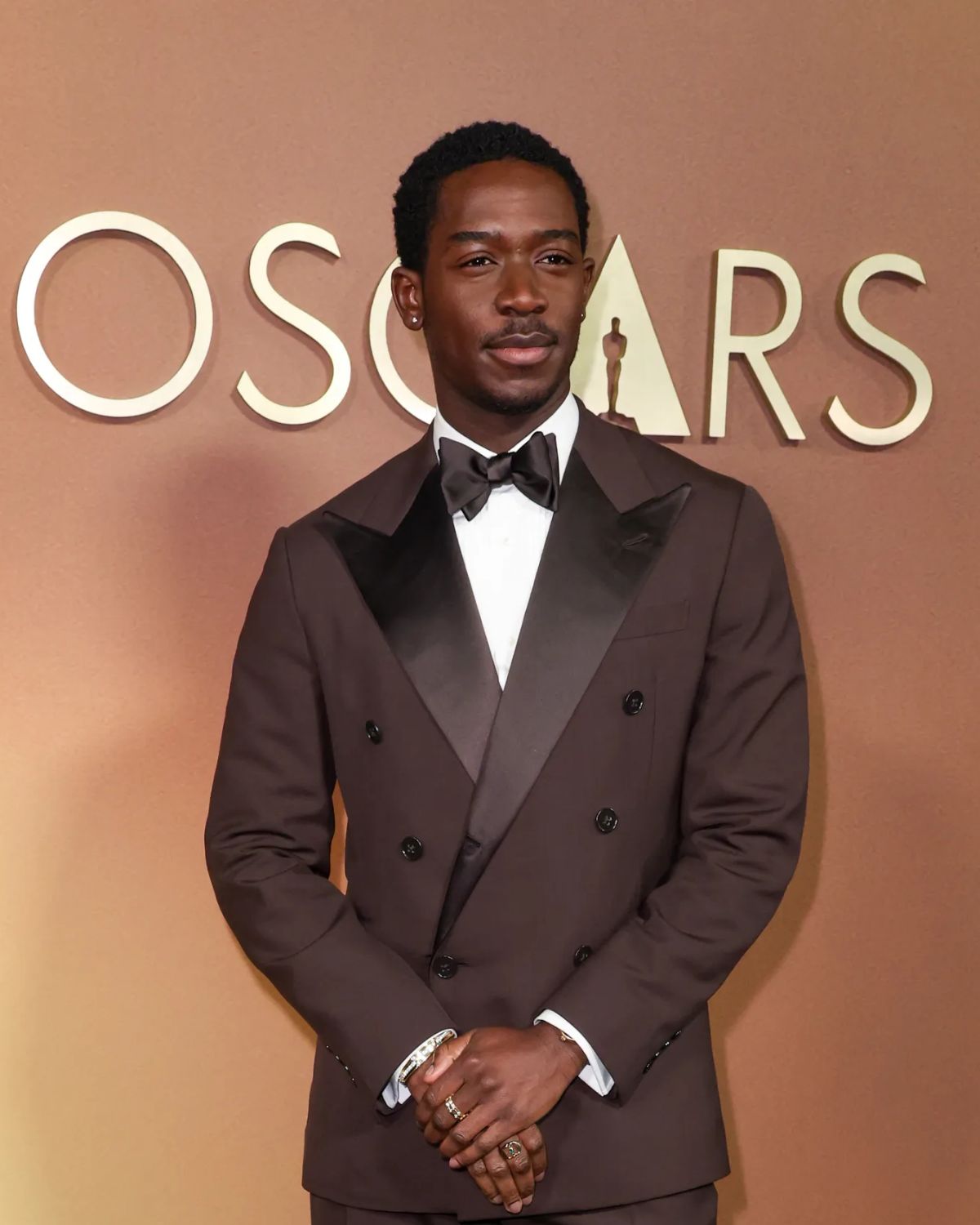
Made from two strips of fabric tied into a symmetrical bow shape, bow ties come in a huge range of sizes, materials, and formality levels—from black velvet for evening galas to printed silk for a relaxed cocktail party.
Unlike most other tie styles, the bow tie tends to be worn by people who already know exactly what they want and have the confidence to wear it. At first glance, it can read as a little playful, even boyish but worn at the right moment, it becomes the one detail in the room that everyone notices.

Ascot & Cravat
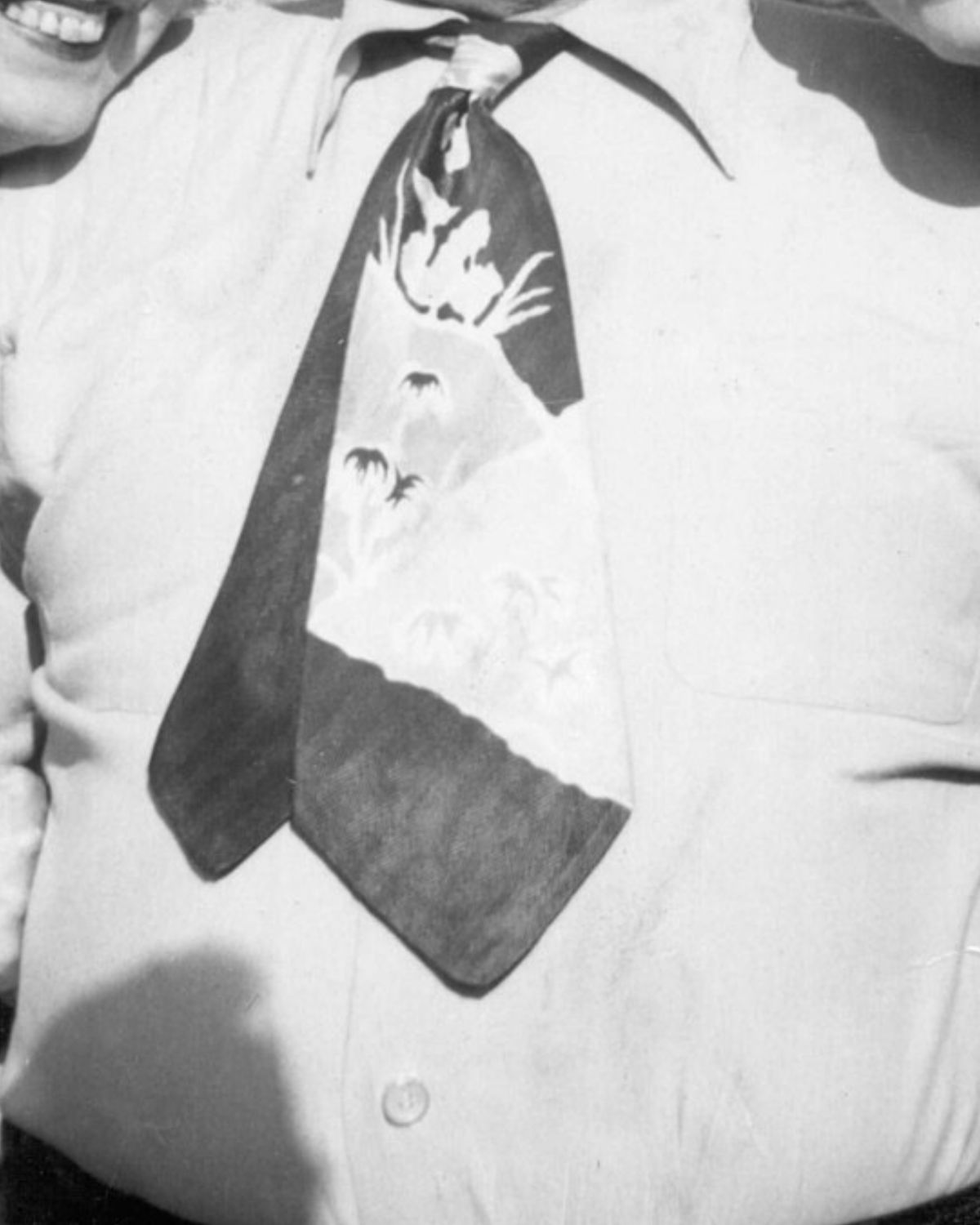
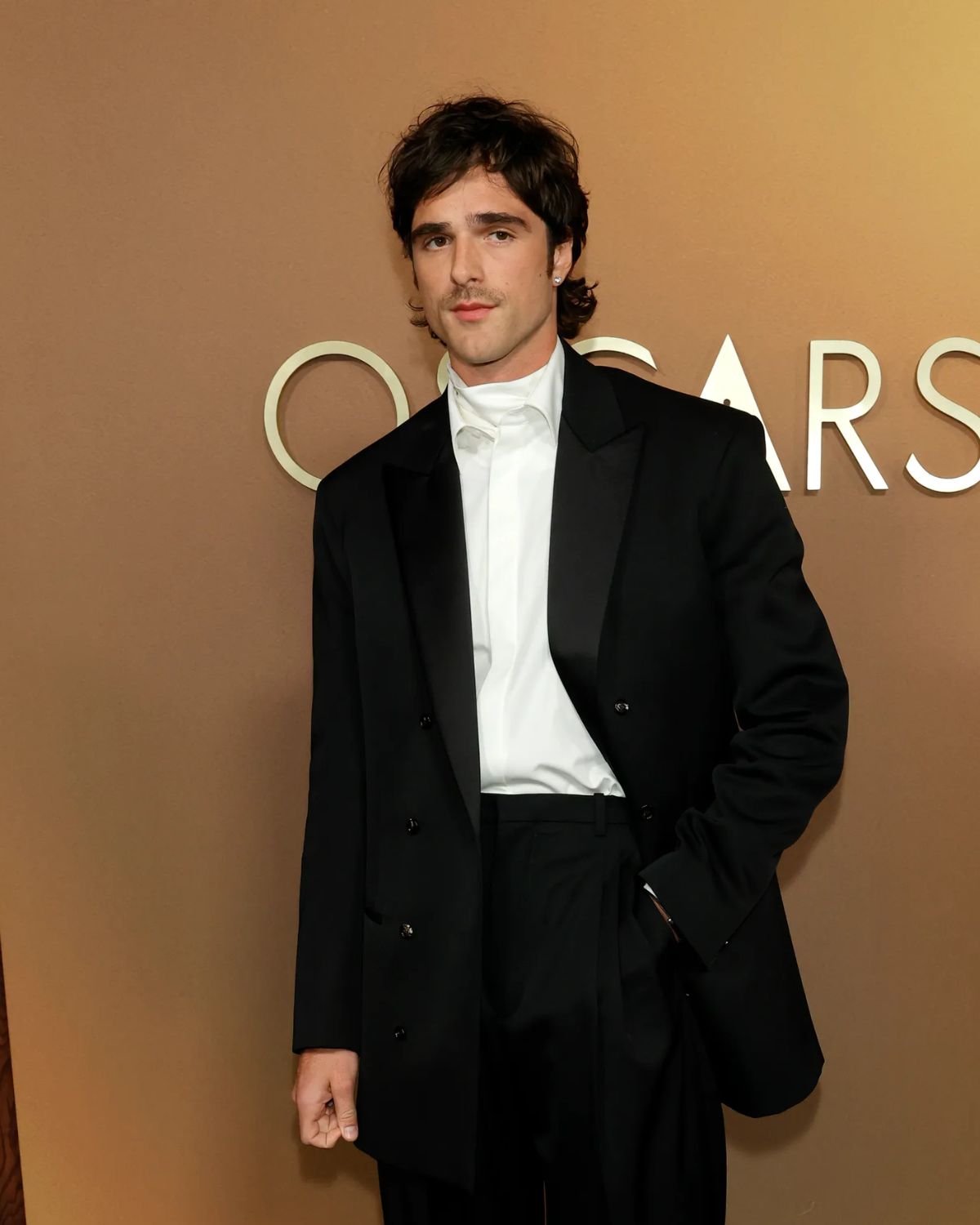
The Ascot carries strong ties to British aristocracy and horse-racing culture, while the Cravat is essentially the direct ancestor of the modern necktie. Both have serious history behind them, often considered the earliest forms of what we now call a tie.
They’re two variations on the same wide-bladed concept, typically worn tucked inside a shirt collar or vest. Rarely seen in everyday life today, but for anyone after a style with real depth and story behind it, both are worth exploring.
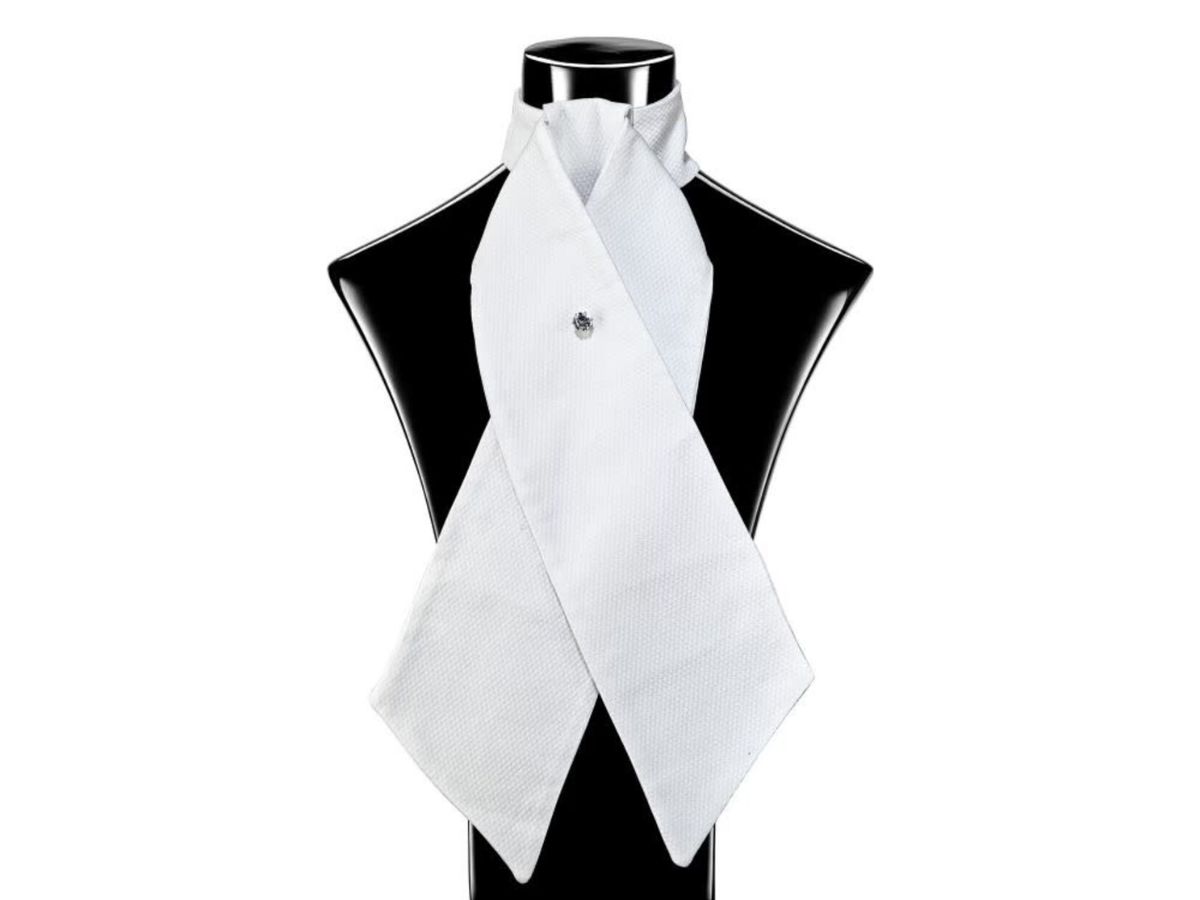
Stock Tie
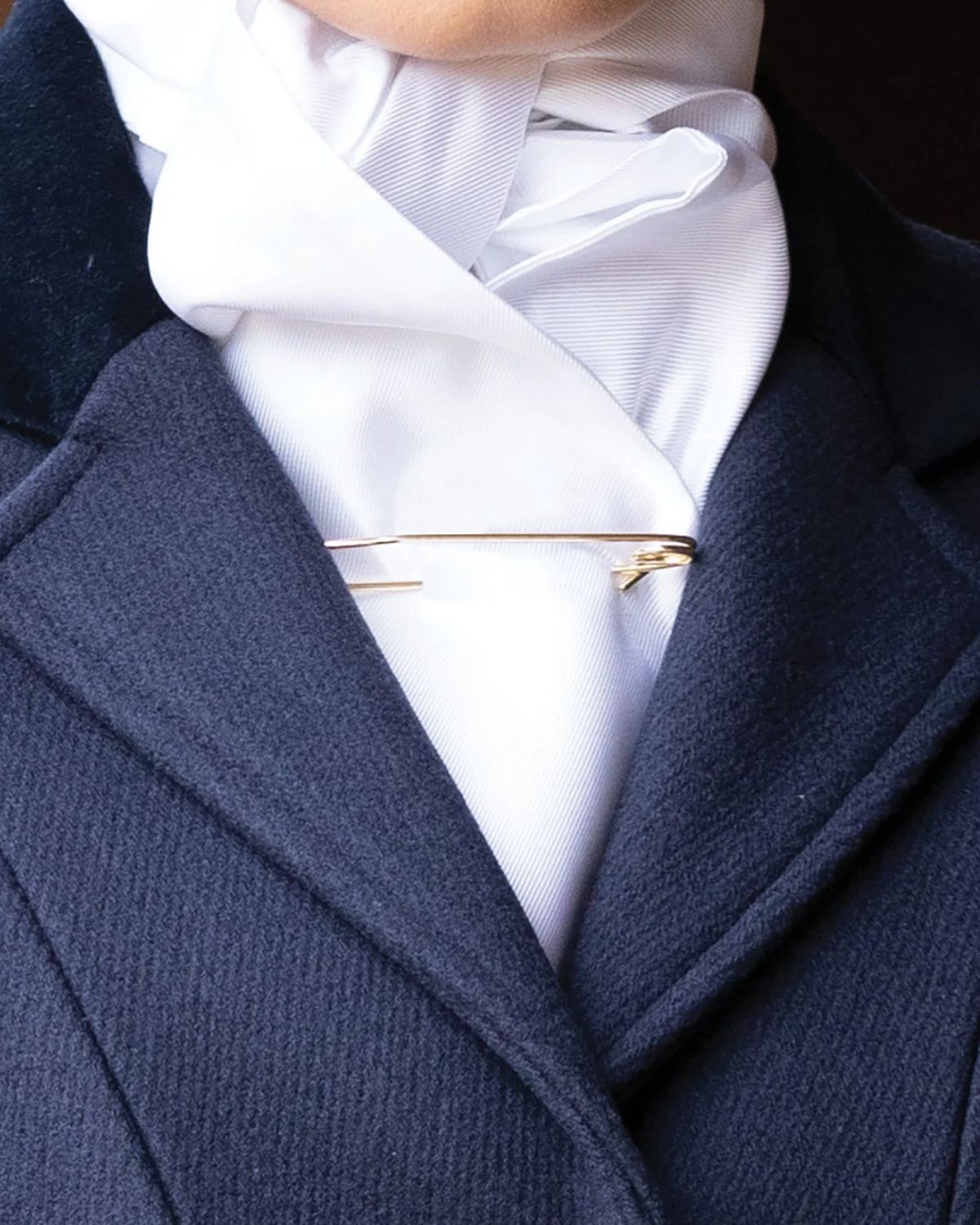
The Stock tie has an unconventional, almost aristocratic air about it. It’s essentially a strip of fabric or scarf, usually white or light-colored, wrapped around the neck, knotted, and secured with a decorative pin, formal and refined, but distinctly different from a typical necktie.
You’ll most often spot it in equestrian settings or worn by staff at formal fine-dining restaurants, where it serves a practical purpose too: keeping the collar in place and absorbing sweat during long hours of constant movement.
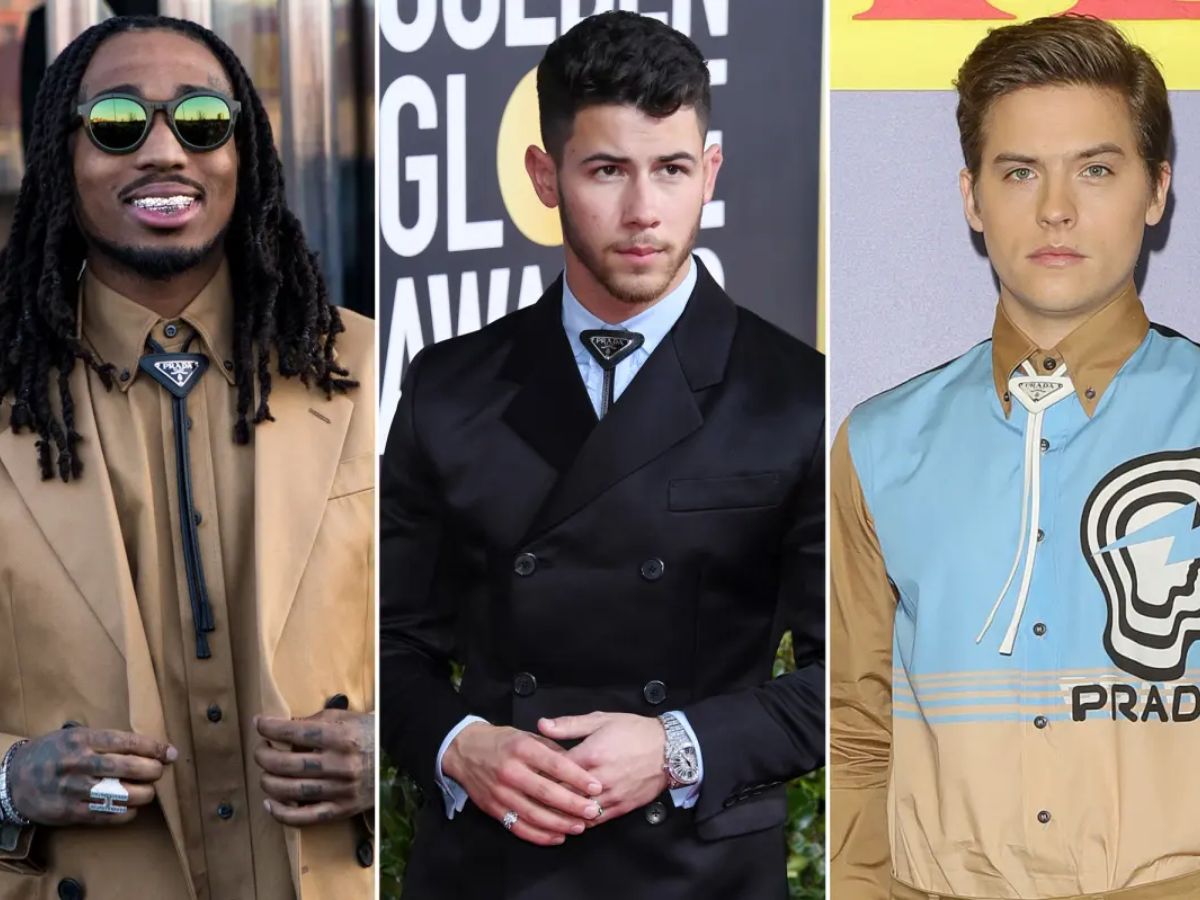
Bolo & Western Tie
The Bolo, also known as the Western tie, is built from a thin cord or braided strip held together with a decorative clasp, often crafted from silver or set with stones. It traces its roots to the American West, but has since found new life as a distinctly regional accessory now embraced in contemporary fashion.
It’s often mistaken for a necklace at first glance. For anyone drawn to a bolder, less conventional way of accessorizing, the Bolo’s “doesn’t-look-like-a-tie” design makes it an easy standout.
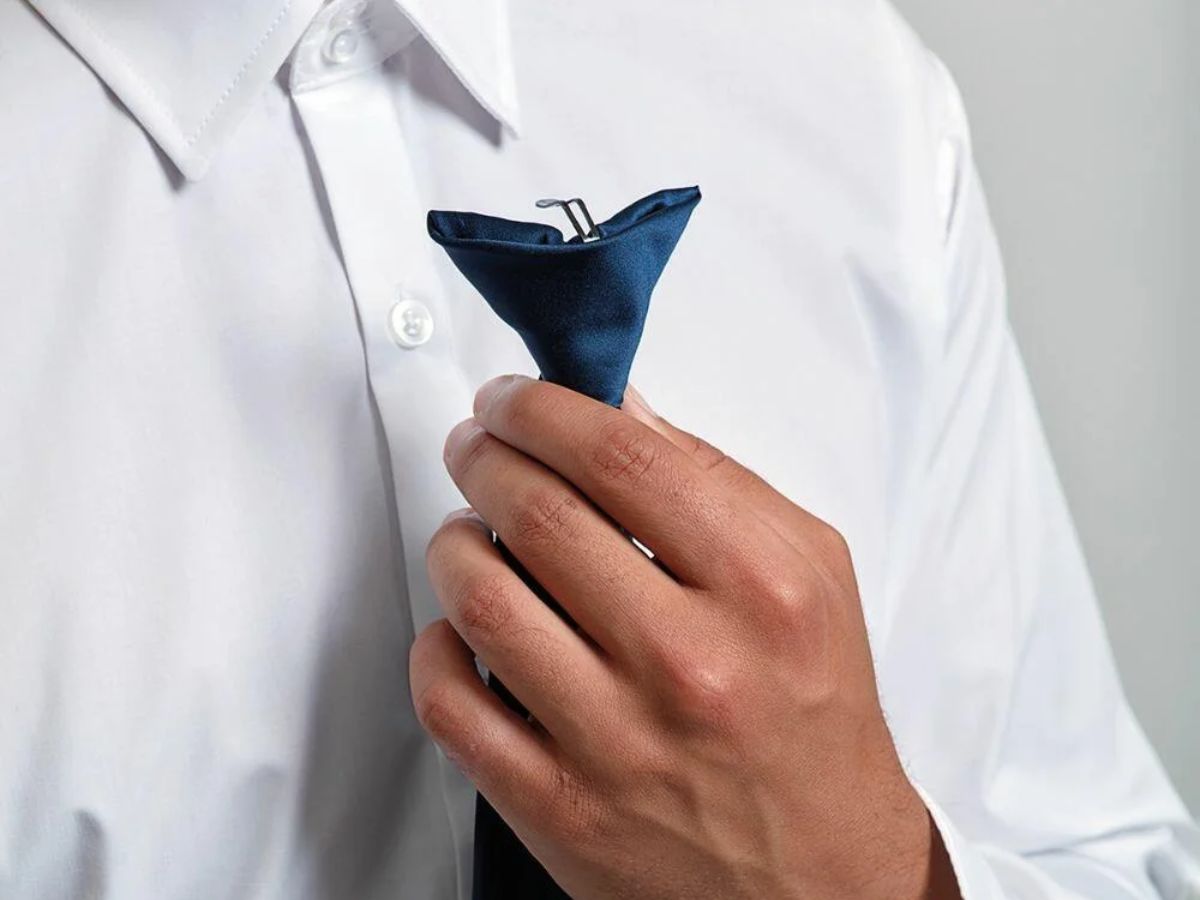
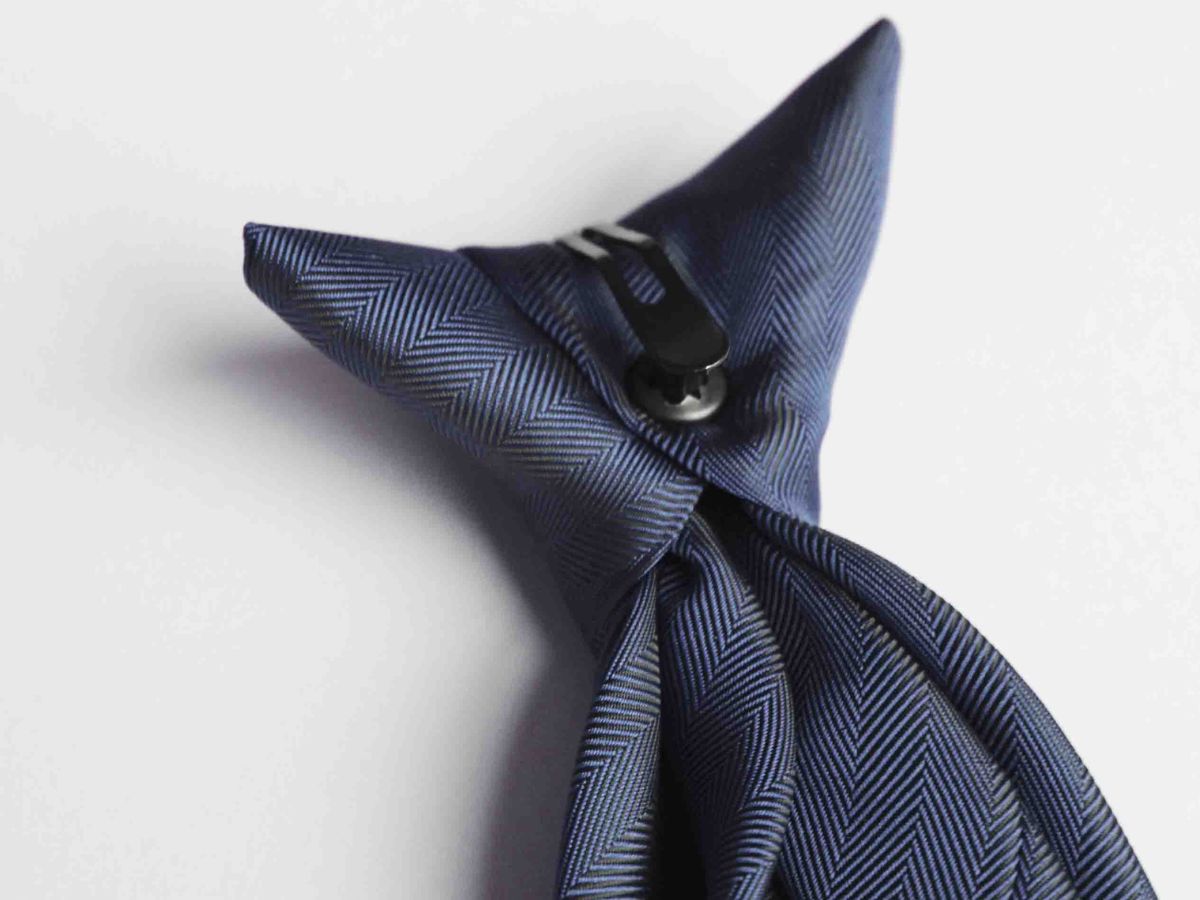
Clip-On Tie
The clip-on attaches directly to the collar via a metal clip, no knotting required. Convenience is really the entire point.
It’s a practical option for children or for workplaces where safety matters, like technicians or factory staff. But in men’s formalwear more broadly, a tie’s value comes from more than just how it looks; it comes from knowing how to actually tie one.
Sailor Tie & Neckerchief
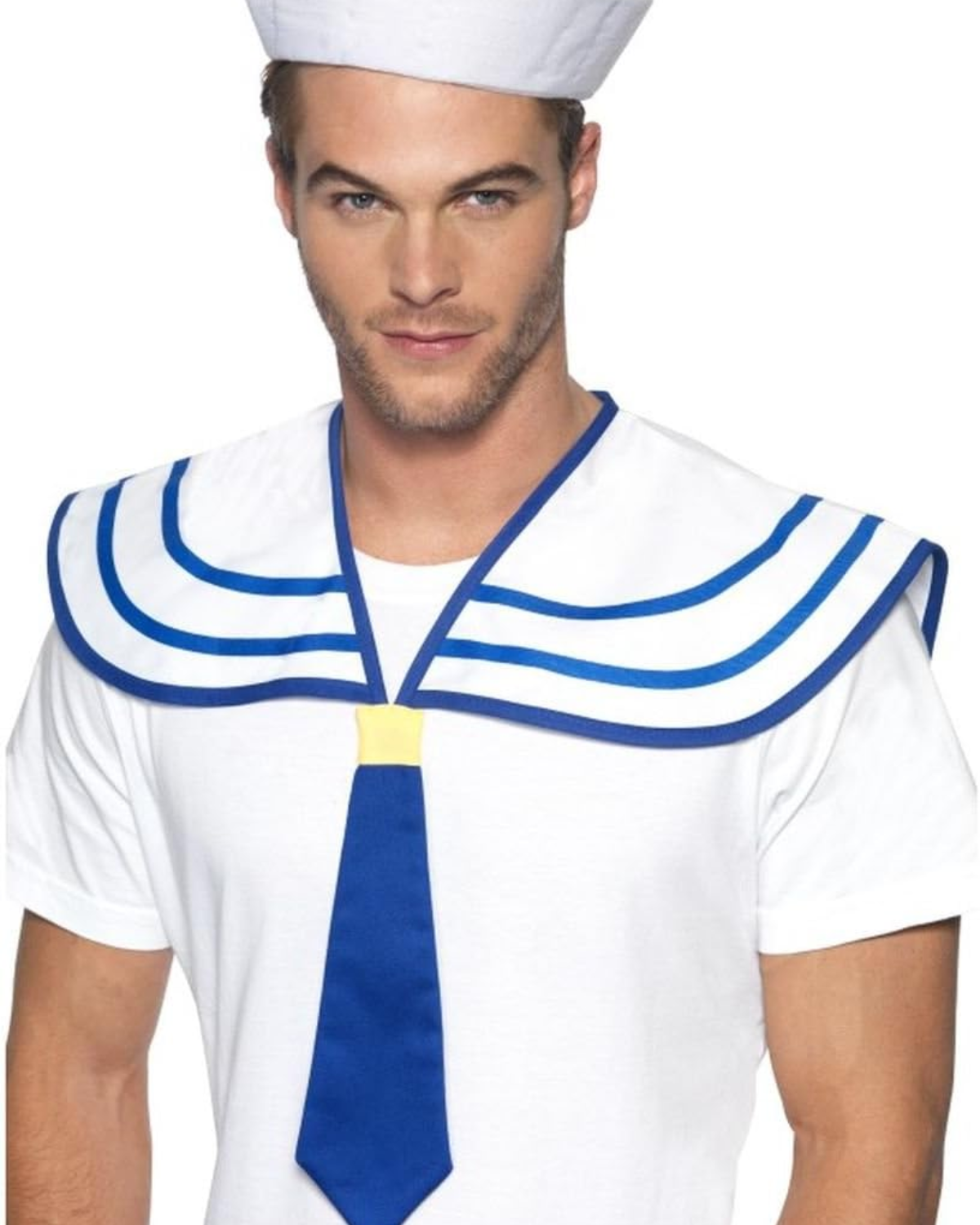
Both of these are built from square or triangular pieces of fabric rather than a traditional strip. The sailor tie is the one you’ll recognize from naval uniforms, typically black or deep navy, tied with a simple knot at the front of the collar.
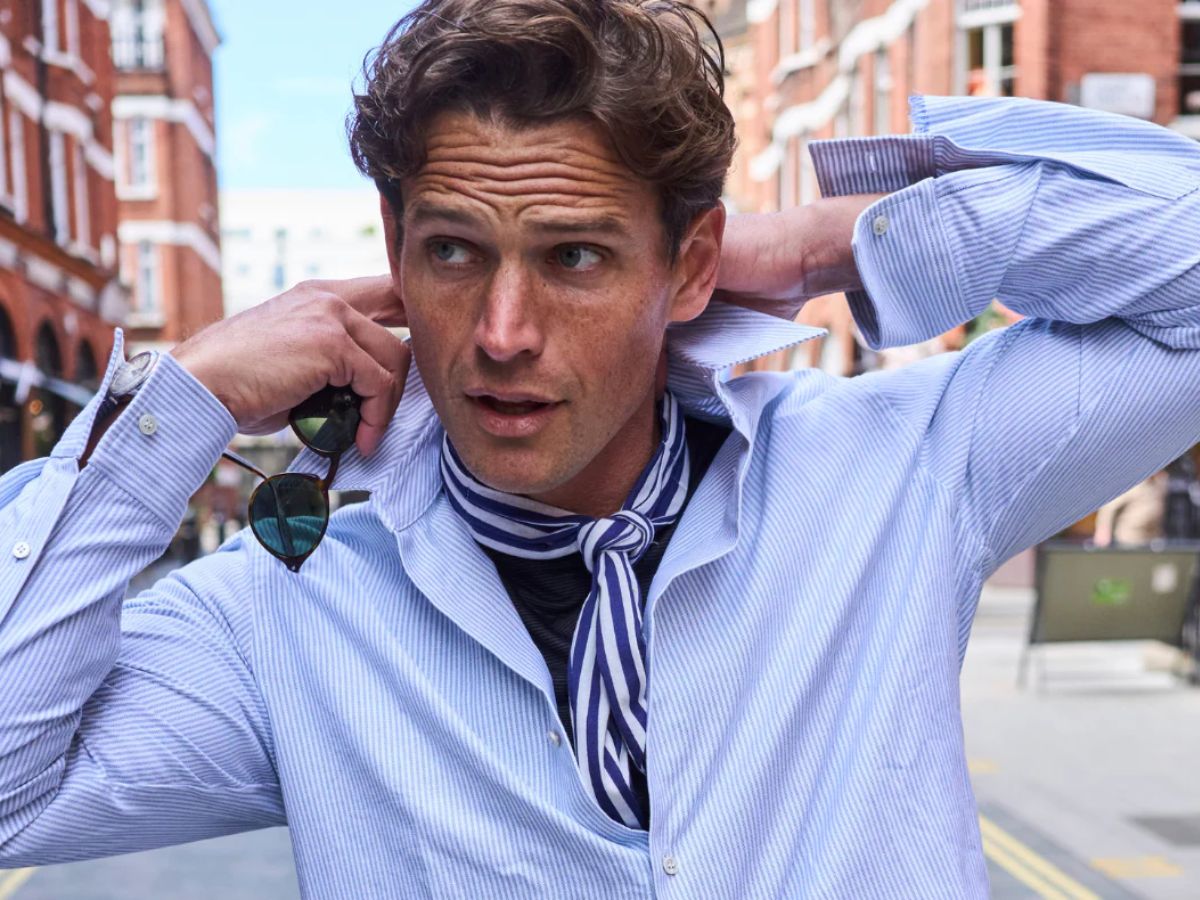
The neckerchief, meanwhile, is a smaller scarf-like accessory, often a square piece of fabric folded into a triangle and tied around the neck. Originally, it served a practical purpose, protection from sun, dust, and cold. Today, it’s worn far more for style, adding a distinctive finishing touch to an outfit.
What Are Ties Made Of?
Whether a tie looks rich or flat, drapes naturally or sits stiff, lasts two years or twenty; it all comes down to the material. That’s why fabric isn’t just a technical detail; it’s the single biggest factor in how a tie actually performs day to day.
Silk – the benchmark for premium ties
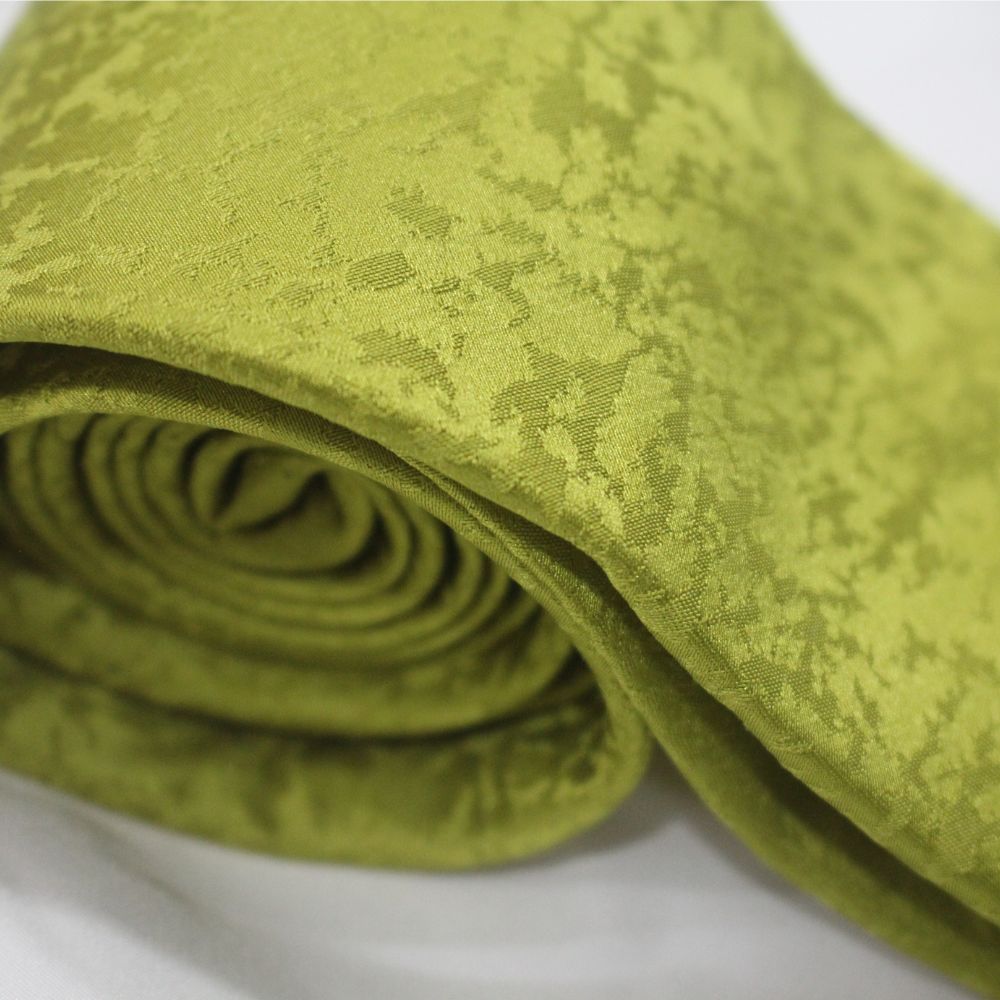
Silk remains the most popular high-end material for ties today, prized for its natural sheen and suitability for nearly any important occasion. It also has just the right amount of softness to hold a “dimple” at the knot, a small detail that adds real visual depth to the finished look.


Wool
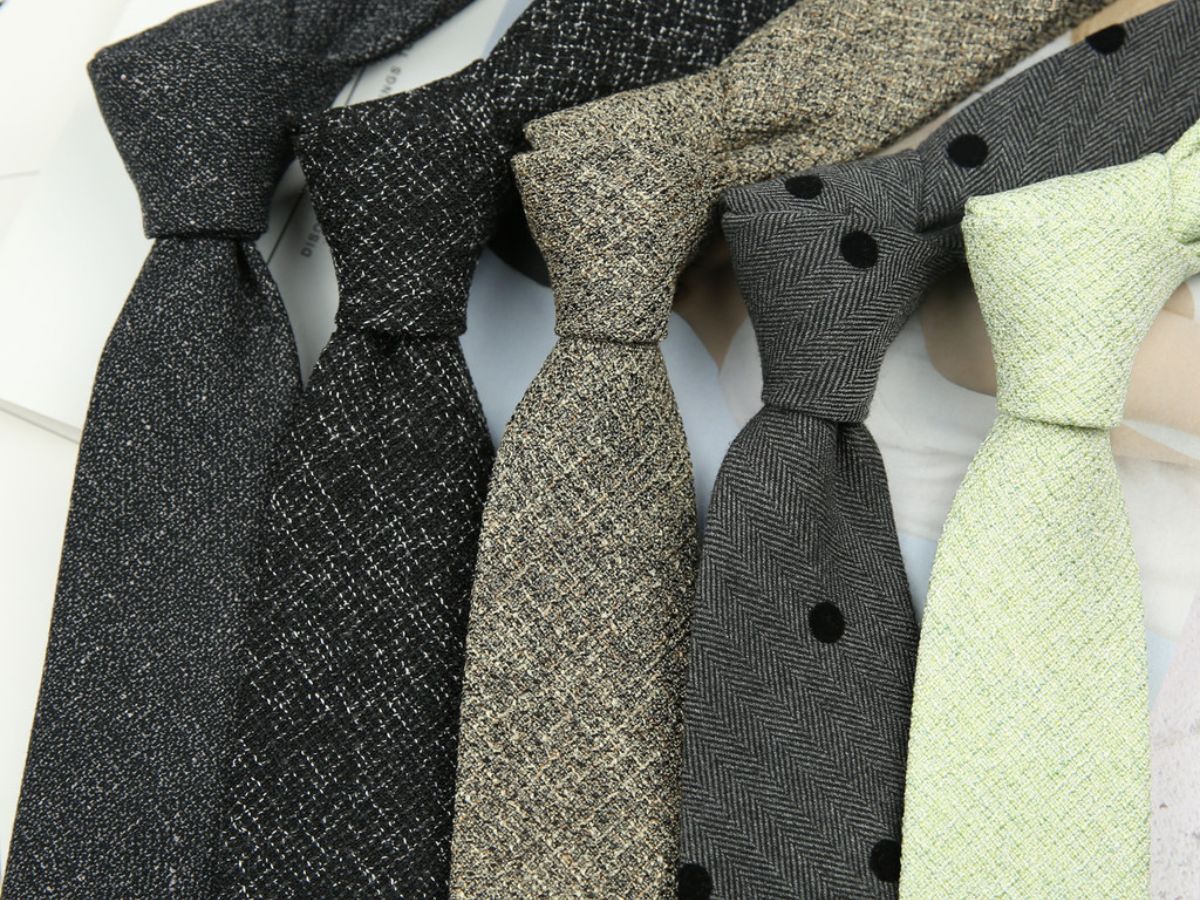
Warmer, thicker, and more textured than silk, wool ties are a natural fit for fall and winter, bringing a sense of warmth and old-world classic style to whoever wears them.
Cotton & Linen
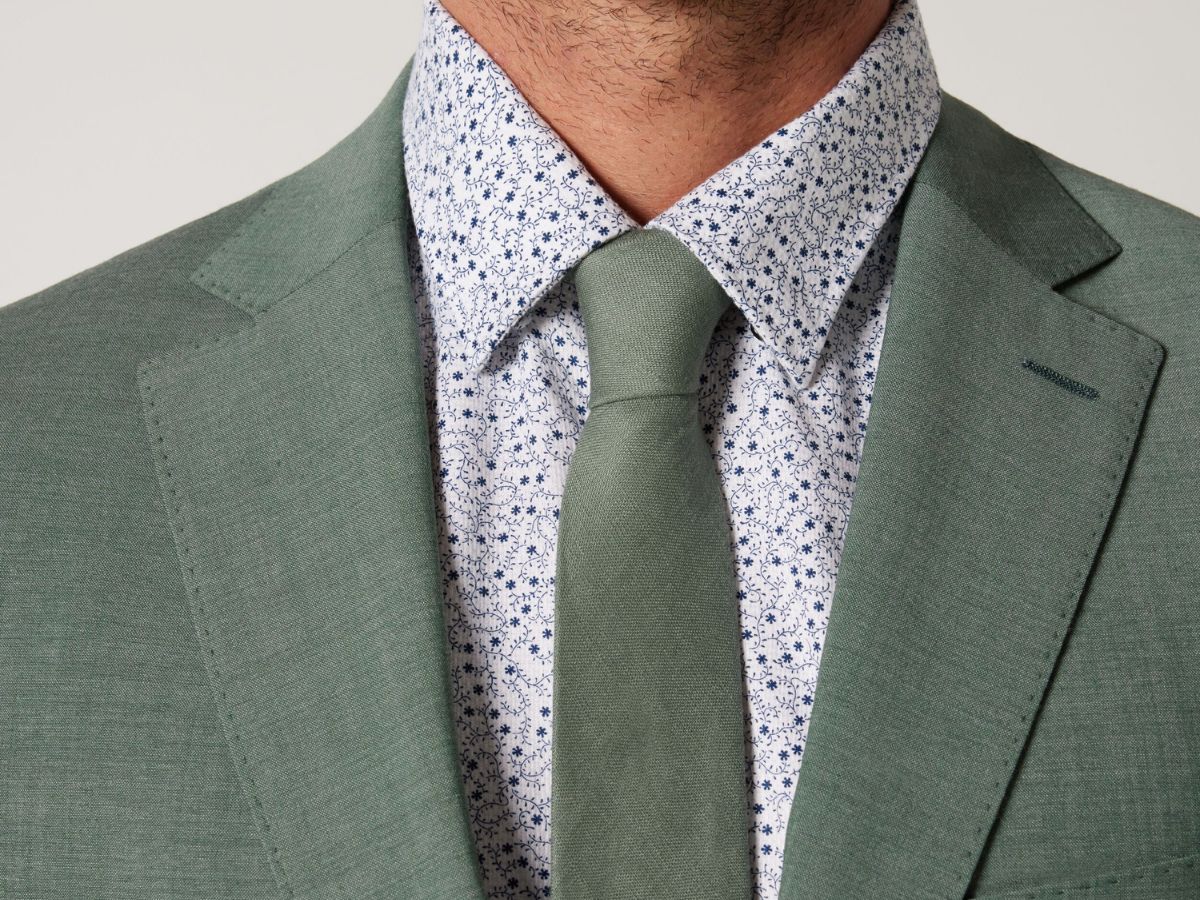
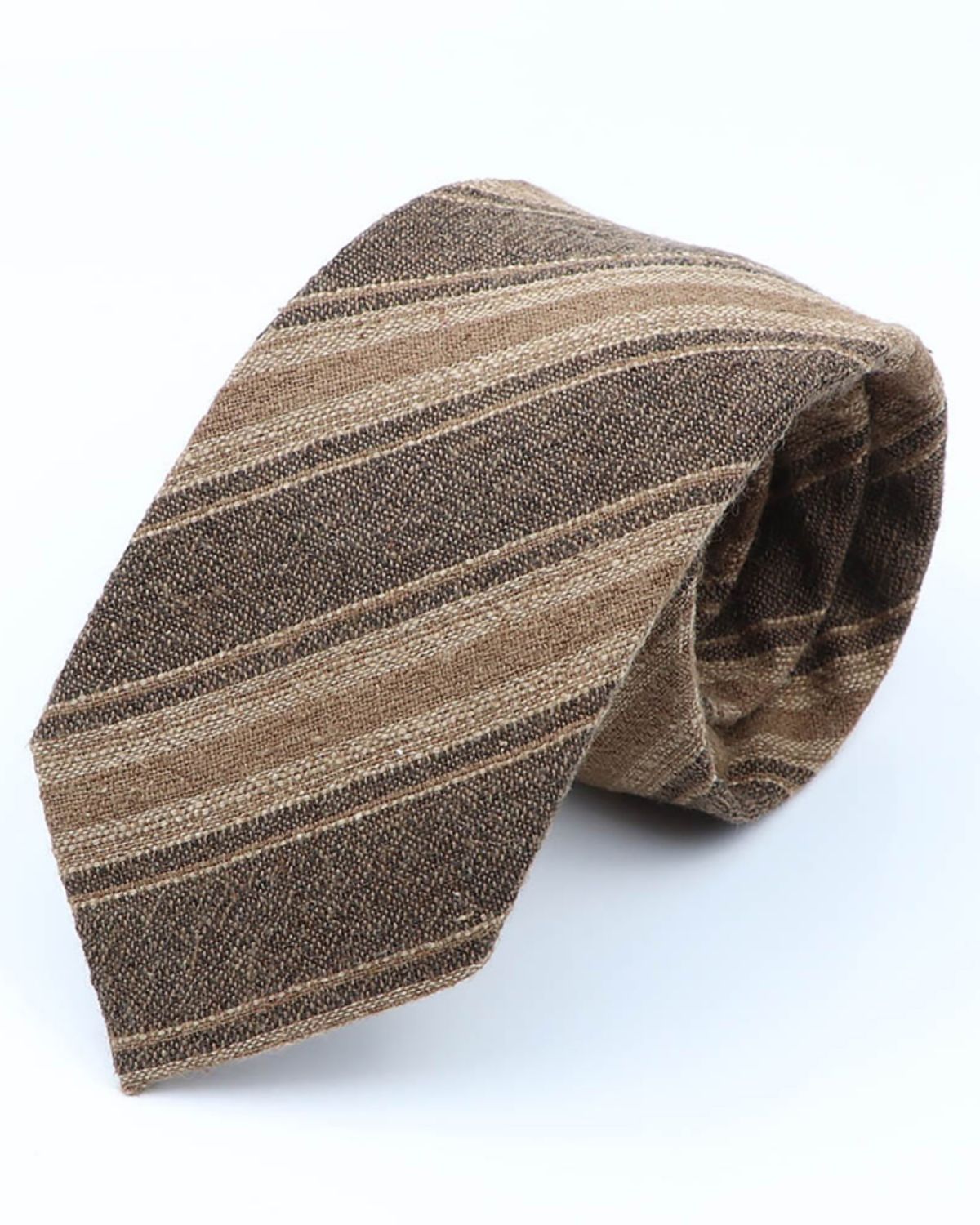
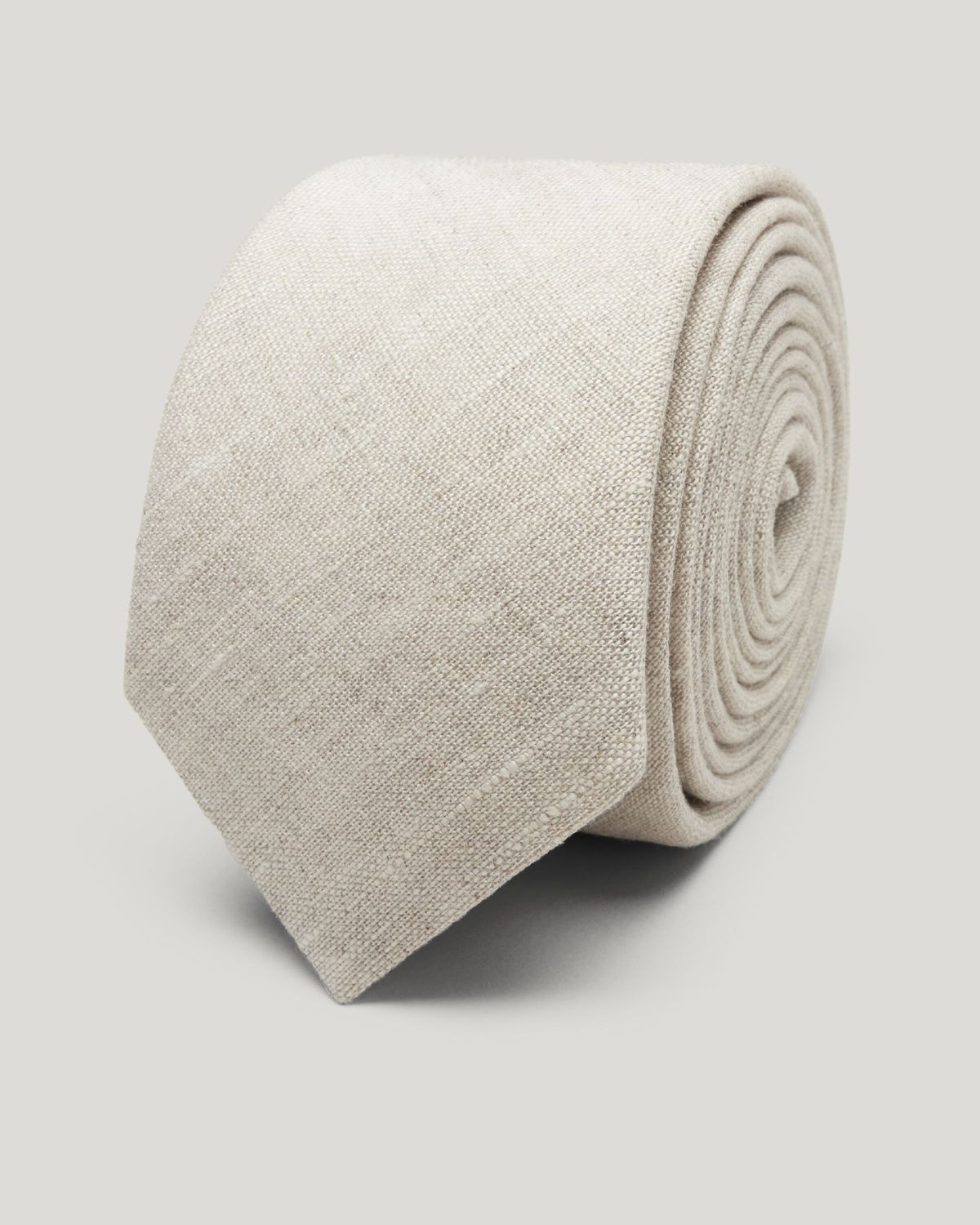
Light and breathable, these work best for summer or more relaxed occasions. They do wrinkle faster than silk, but in exchange, they offer a natural, effortless texture that’s hard to replicate in any synthetic fabric.
Polyester
Low-maintenance and practical, polyester lacks the natural sheen and drape of silk or wool. But it makes up for that with durability and ease of care, a solid choice when convenience matters more than luxury.
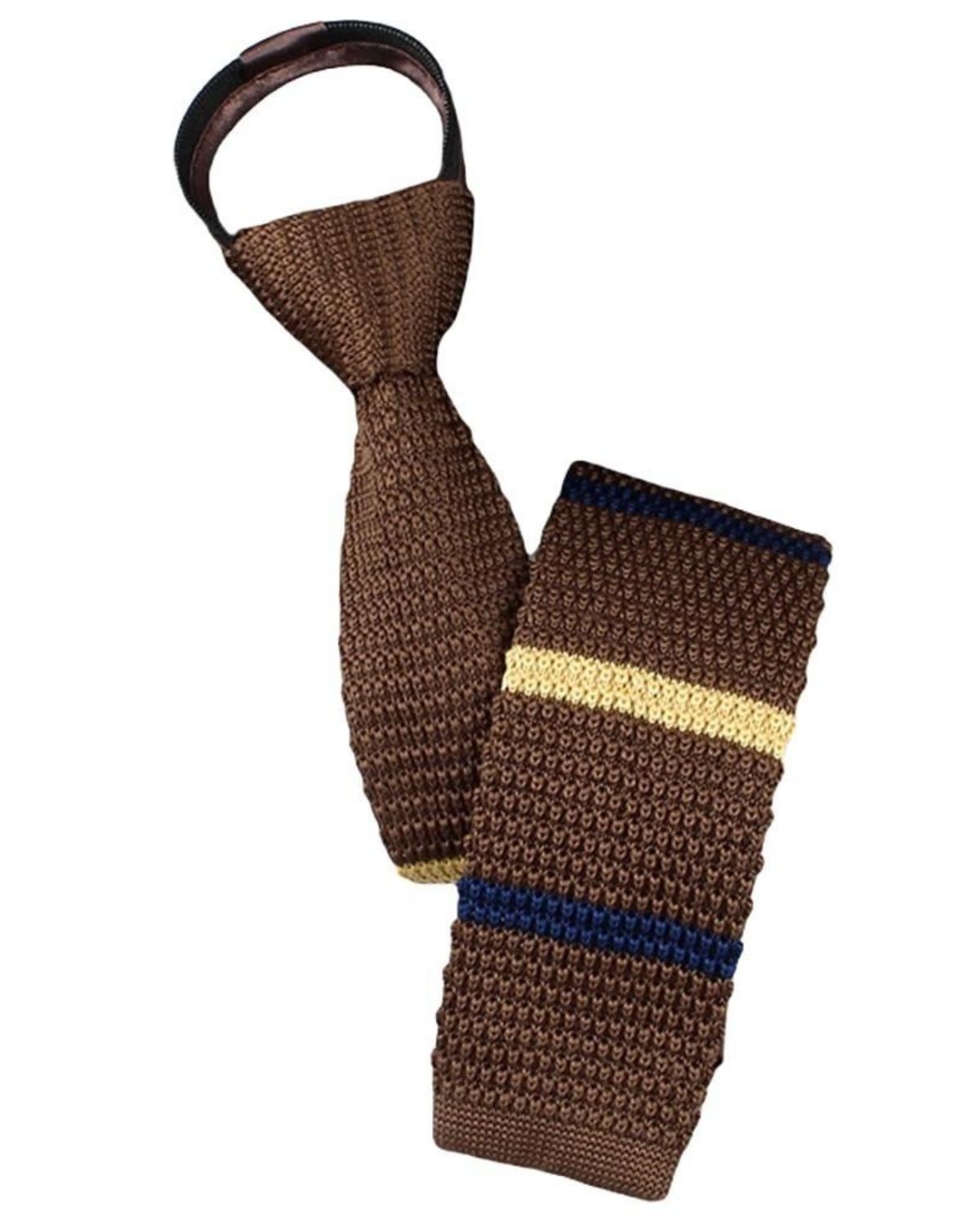
Knit Fabric
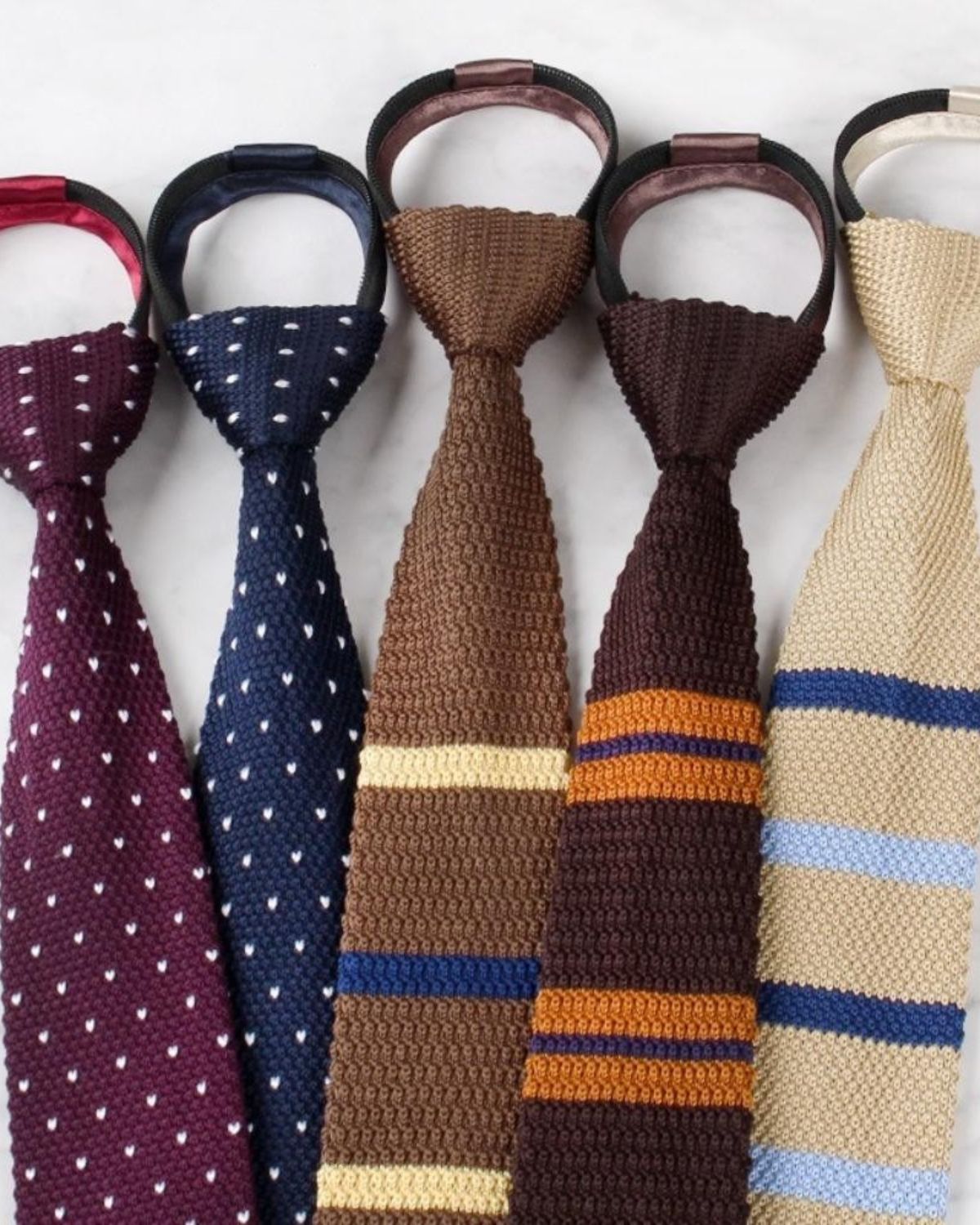
The defining material of the knit tie, known for its distinctive texture, good stretch, and unmistakably casual feel. Against a simple, understated outfit, a knit tie becomes an instant focal point.
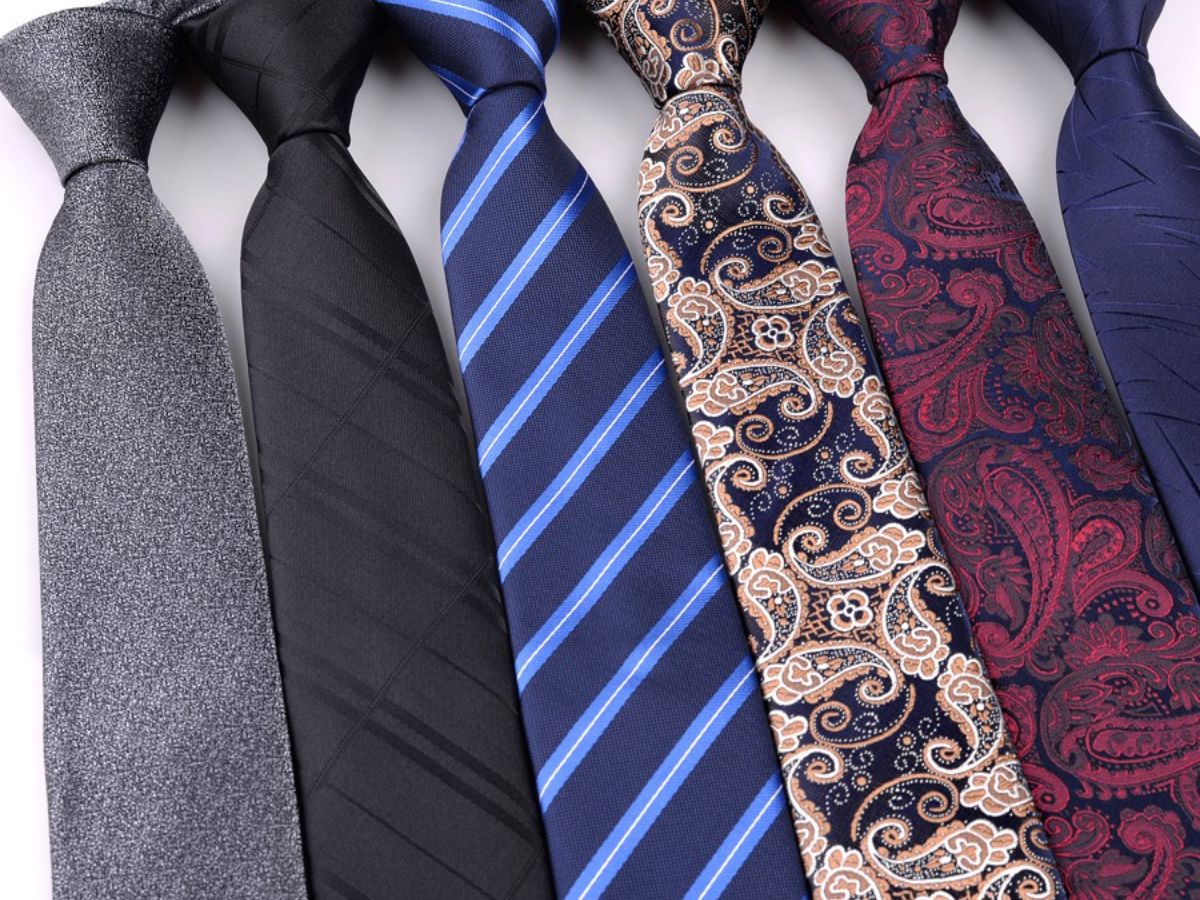
Standout Tie Patterns
Solid
A single, uninterrupted color. Pulling off a solid tie well actually takes a bit of color sense; it’s a simple pattern, but getting the rest of the outfit to feel cohesive around it takes some thought.
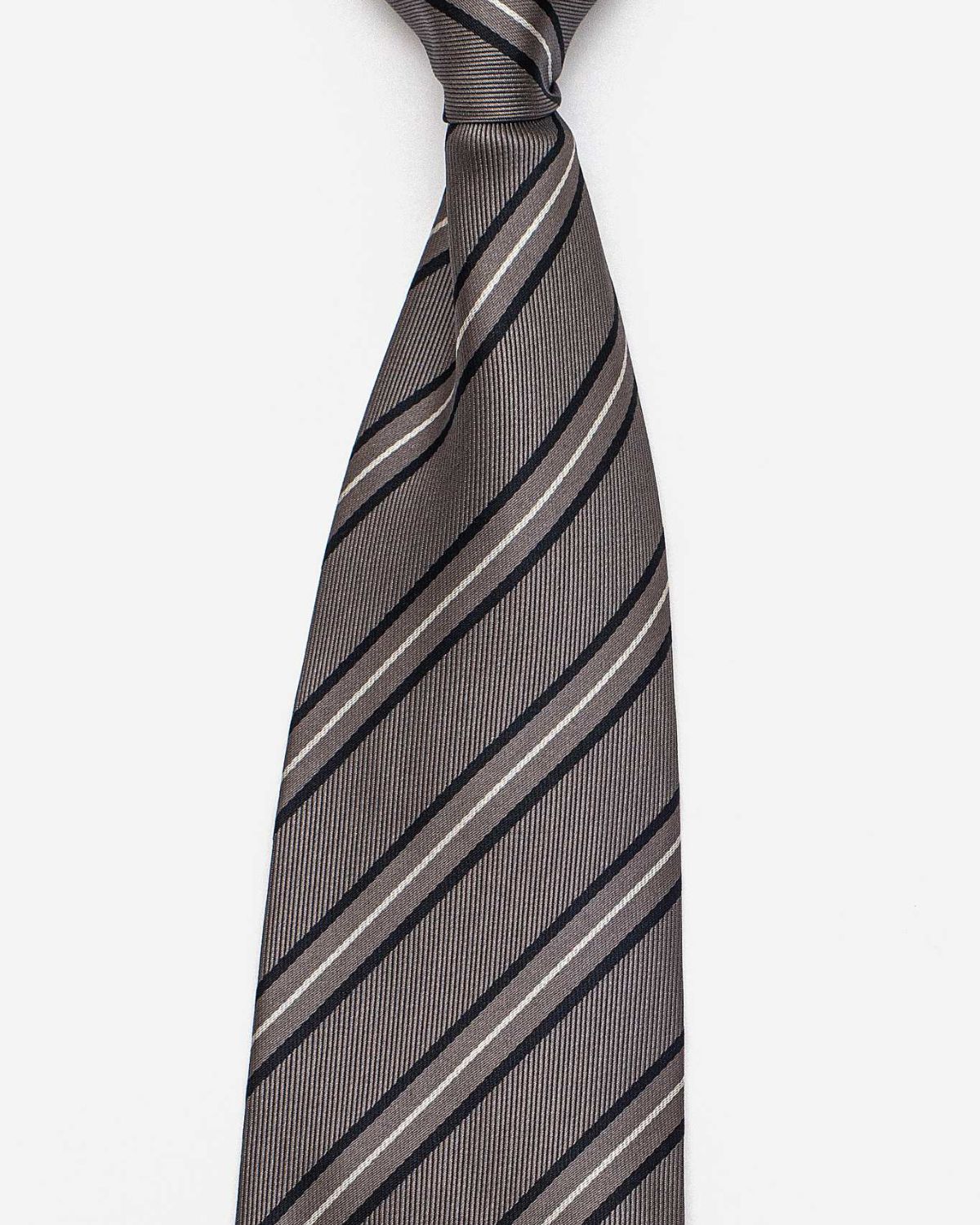
Striped / Repp Stripe
The most classic pattern out there and arguably the one with the richest history. In Britain, stripe colors and direction once functioned almost like a code, signaling membership to a particular club, school, or military regiment. Today, it’s simply the safest, most foolproof choice for anyone just starting to build a tie collection.
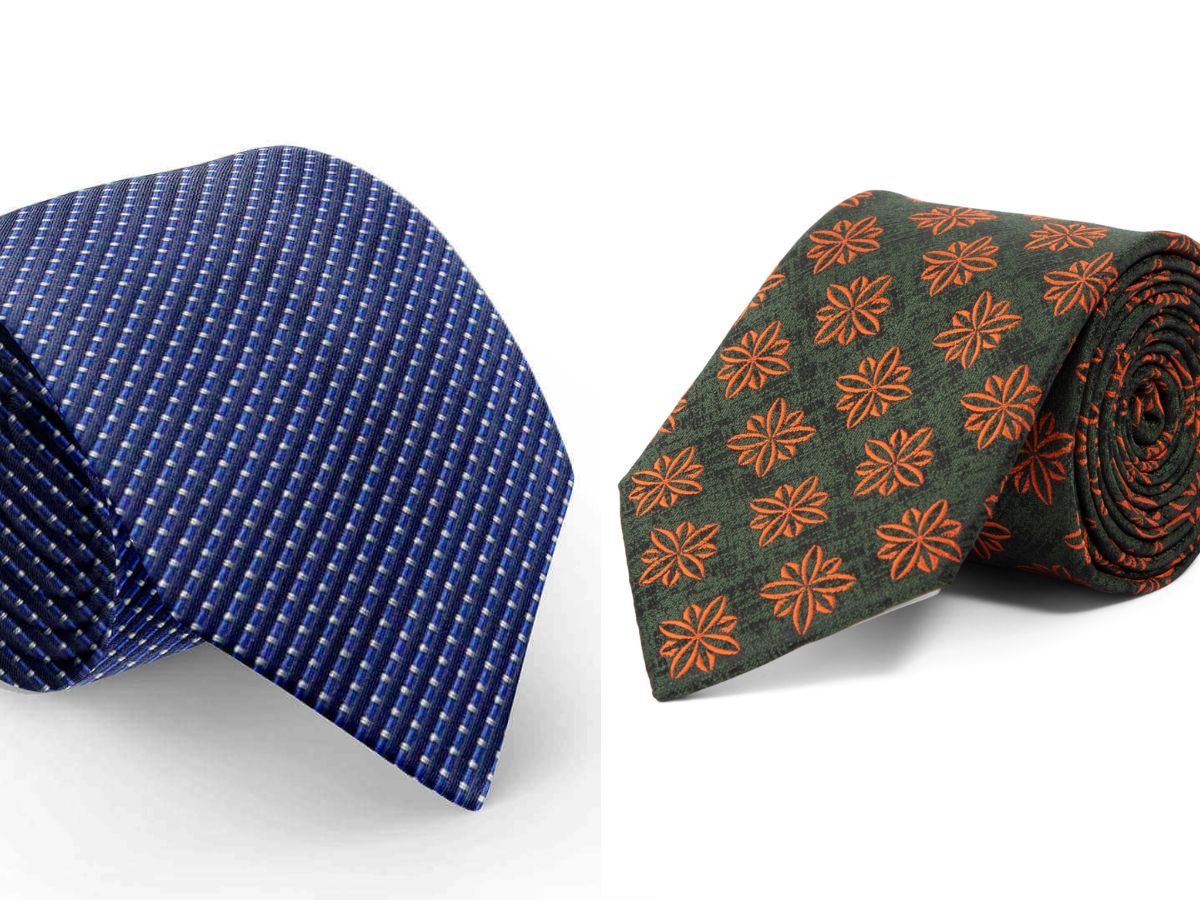
Polka Dot & Geometric
There’s an undeniable elegance to polka dots now, but the pattern’s origins are far less glamorous—in medieval times, fabric covered in round spots was hung outside the homes of the sick as a warning sign for diseases like smallpox and measles. Over the centuries, that same motif found its way onto ties and took on an entirely new meaning.
Geometric patterns, meanwhile, draw on basic shapes, triangles, squares, diamonds, hexagons, and beyond. A well-chosen geometric tie is one of those pieces that’s genuinely hard to put into words; it just has to be seen.
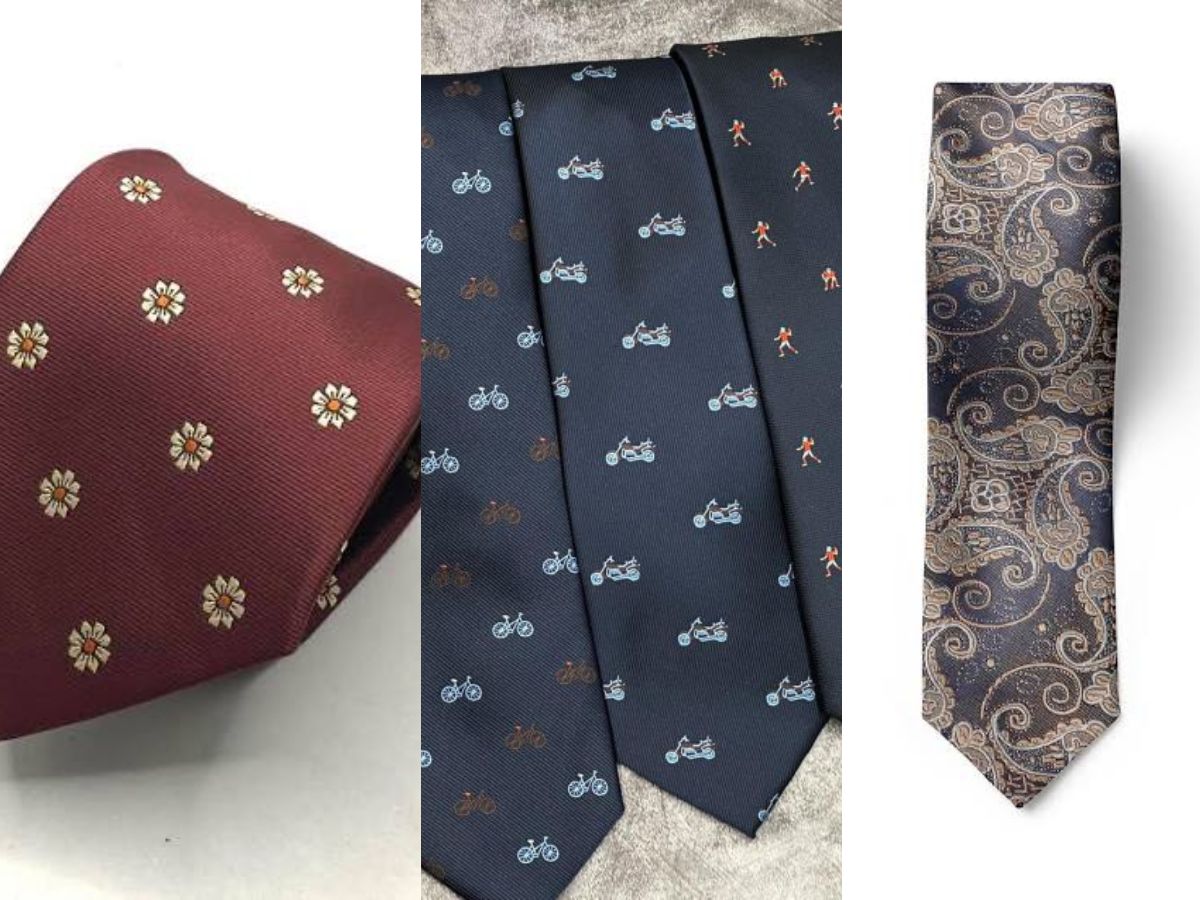
Paisley / Floral / Novelty
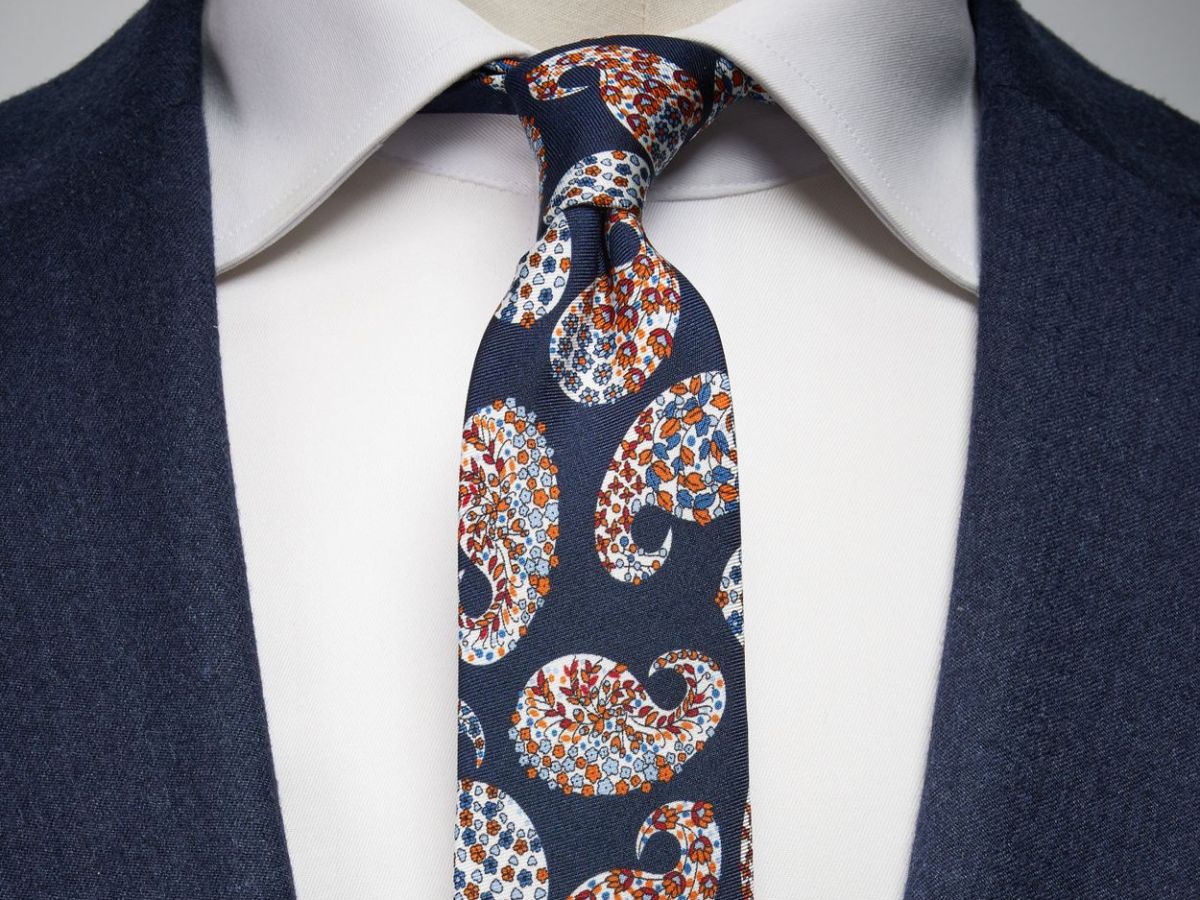
Paisley traces back to Persia, carrying an intricate, layered beauty often associated with vitality and life itself. Floral and novelty patterns push that even further, offering the widest creative range of any tie pattern, from subtle, understated florals to bold, story-driven designs. These tend to shine brightest at upscale evening events, where they give the wearer real room to express personal taste.
Printed vs. Woven Ties
When choosing a tie, most people focus entirely on color or pattern and overlook something just as important: how that pattern was actually made. Tie patterns come from one of two production methods, printing or weaving, and each comes with its own trade-offs in look, durability, and overall value.
Woven
In a woven tie, the pattern is built directly into the fabric, with the design interlaced right into the threads themselves, usually wool or silk. The biggest payoff here is depth and sharpness: woven patterns simply have more dimension.
Common woven patterns include diagonal stripes, polka dots, paisley, plaid, and geometric designs. Woven ties also tend to feel noticeably thicker and more substantial in hand.
Printed
Printing, on the other hand, applies the pattern, design, or text directly onto the surface of the fabric, most often silk satin. This method opens the door to far more intricate, detailed designs, with richer color combinations and finer details than weaving alone could achieve.
How to Choose the Right Tie
By Body Type
There’s no single tie that works for everyone, but a few proportion guidelines can help you avoid the most common mistakes:
- Tall, broad-shouldered builds: A wider tie (8–9 cm) creates natural visual balance. A skinny tie on this frame can easily look disproportionate.
- Average builds: A 7–8 cm tie tends to work best here, the standard tie, in particular, creates a balanced, harmonious look.
- Smaller, slimmer builds: Skinny or knit ties help maintain proportion. A wider tie risks throwing off the visual balance of the whole outfit.
By Collar Type
A tie and a collar were never meant to exist independently; together, they form a single cohesive look. Getting that pairing wrong is an easy mistake to make, and one that’s easy to overlook if you’re not paying close attention.
- Spread collar: Pairs well with wider ties and a fuller Windsor knot to fill the space between the collar points.
- Point collar: The most versatile option, working with nearly every tie style and knot, from the Four-in-Hand to the Half-Windsor.
- Button-down collar: Leans more casual, suited to knit ties, skinny ties, or a standard-width tie with a simple knot, nothing too elaborate needed here.
- Mandarin collar: Since the collar itself already breaks from tradition, the accessory doesn’t need to follow convention either. A bow tie or cravat makes for a far more interesting choice than a standard tie.
Basic Tie Knots
Whether you’re new to ties or already comfortable tying one, knowing a few different knot styles will make you a lot more confident, no matter the occasion.
Four-in-Hand
The most widely used knot today, and a great starting point for beginners thanks to how quick and simple it is to tie.
It works well with nearly any tie and collar combination, making it especially suited for everyday office settings or casual meetings.
Half-Windsor
A simplified take on the traditional Windsor that still manages to look polished and refined. The knot forms a neat, symmetrical triangle, moderately sized, and noticeably more polished-looking than the Four-in-Hand.
This knot tends to show up at important meetings, corporate events, or any occasion calling for a bit more formality. It pairs particularly well with mid-spread collars and medium-width ties.
Full Windsor
With its larger, perfectly symmetrical triangular shape, the Full Windsor is reserved for genuinely significant occasions, conferences, weddings, important business meetings.
It works best with wider spread collars and thinner tie fabrics, since anything too thick can quickly start to look bulky.
Pratt Knot
A nicely balanced option that strikes a middle ground between simplicity and a professional finish. The knot itself stays moderately sized, fitting neatly against the collar without overwhelming it.
What makes the Pratt stand out is the drape it gives the tie, less twisting, a more refined fall, making it a solid choice for both office wear and formal settings alike.
How to Care for Your Tie
Even the best material isn’t enough on its own, proper care is what actually determines how long a tie lasts.
- After each wear: Fully loosen the knot and hang the tie straight rather than leaving it knotted. Leaving a knot in place too long, especially on silk, creates creases that are difficult to reverse—particularly right at the knot point.
- Daily storage: Hang ties on a dedicated tie rack, or roll them gently from the narrow end up. Avoid folding them flat, creases on silk don’t always bounce back.
- Cleaning: Silk ties should never go in the washing machine. For small stains, gently dab with a damp cloth, never rub. For tougher stains, especially oil-based ones, dry cleaning is the safest route. Wool and cotton ties should always be checked against the care label before washing.
- Removing wrinkles: Use a steamer held at a distance, with a light touch. Never apply a hot iron directly to silk, the heat can permanently damage the natural fiber structure.
- Long-term storage: Store ties in a breathable fabric bag, away from direct sunlight and humidity.