What is a handbags?
In the fashion industry, accessories are often the smallest details with the biggest impact. It’s usually these seemingly secondary pieces that reveal the most about a person’s style and taste at a glance.
Among all accessories, the handbag holds a place that’s almost one of a kind in the world of luxury fashion. Most accessories exist purely for decoration, but a handbag carries real, everyday function too—it’s something you actually use to carry your things. That combination of practicality and style is exactly what makes it so hard to replace with anything else.
And because of that duality, every type of handbag ends up with its own shape, its own name, and its own purpose. Understanding those differences is really what separates an impulsive purchase from a smart one.
Popular Types of Handbags
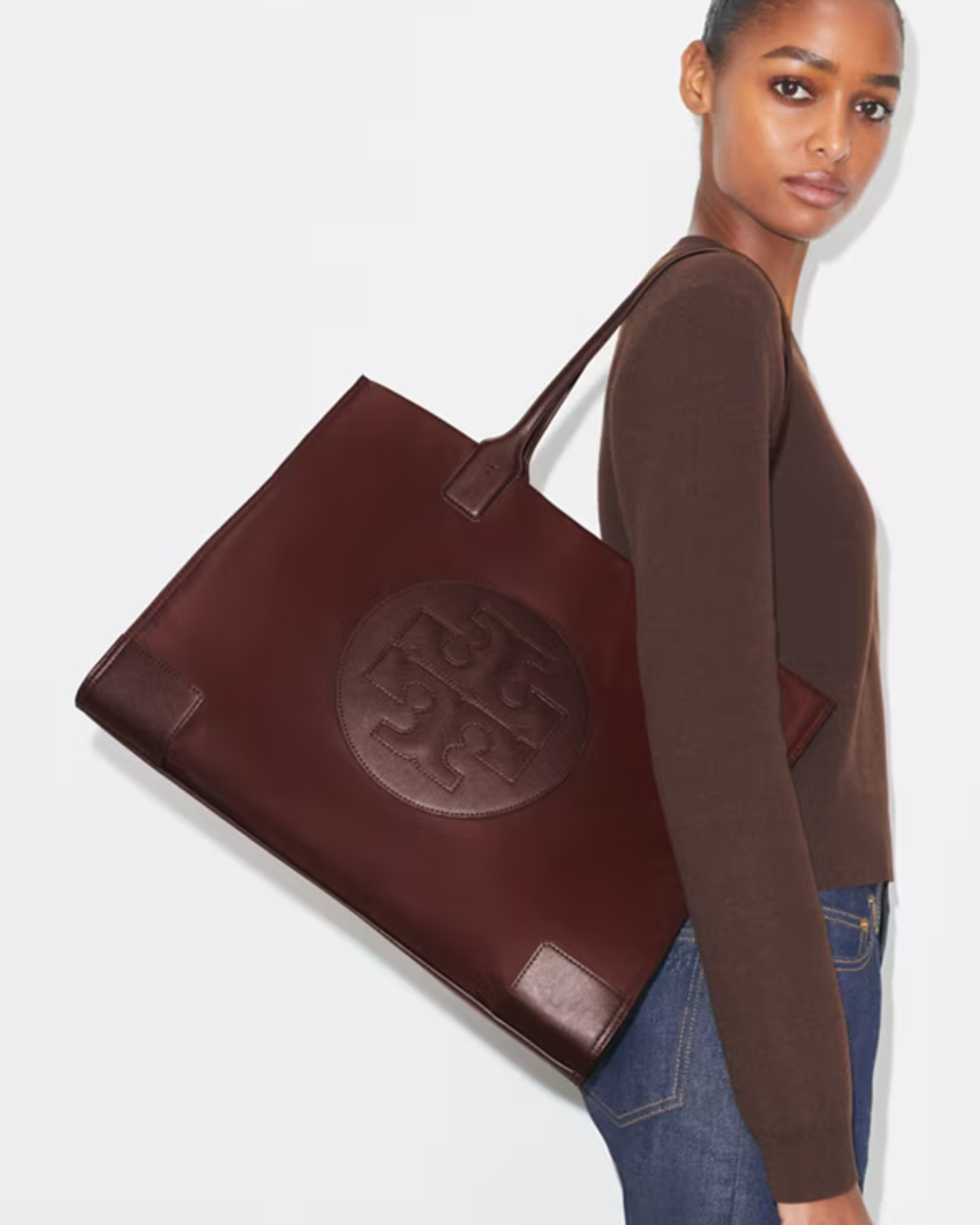
Tote bag
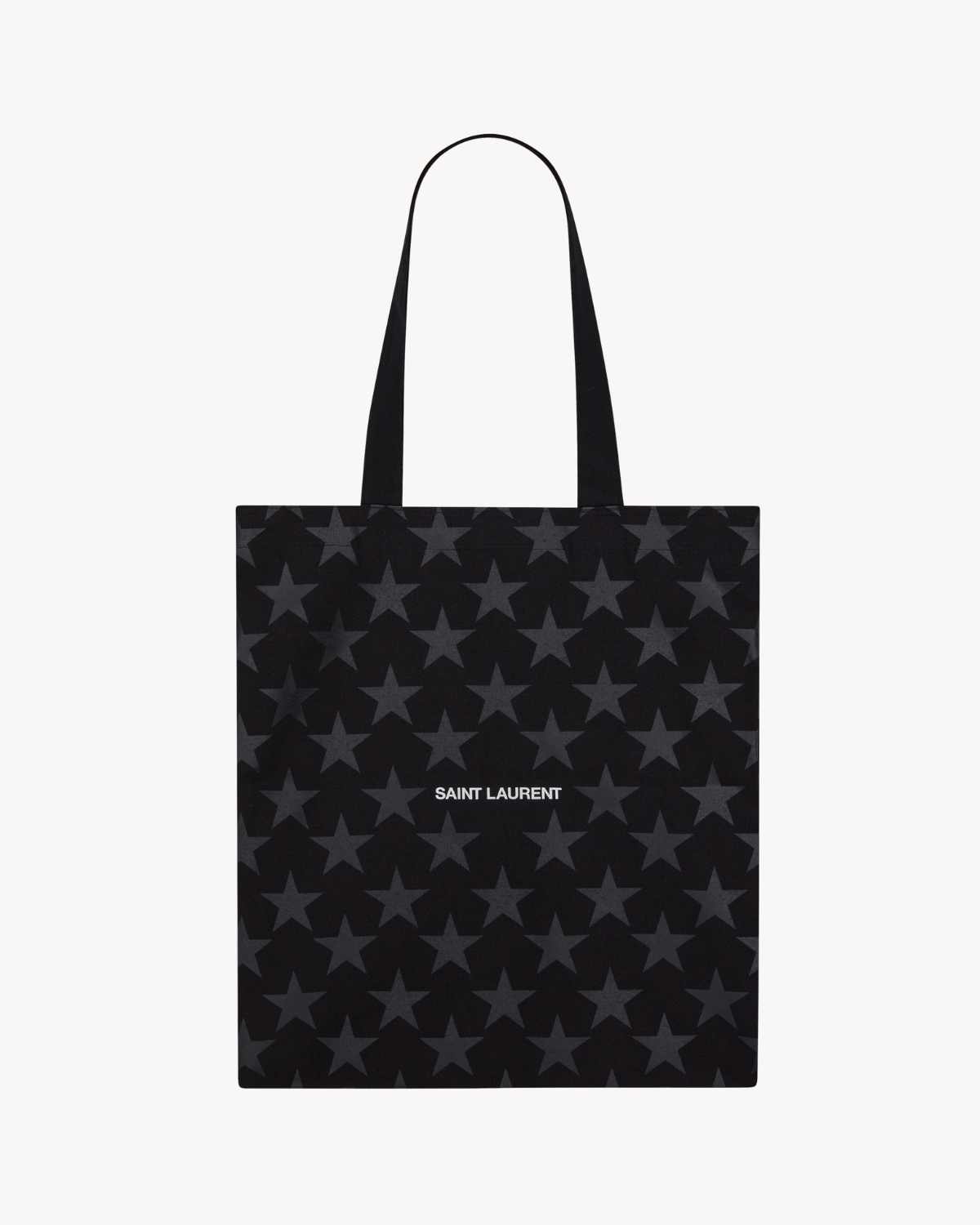
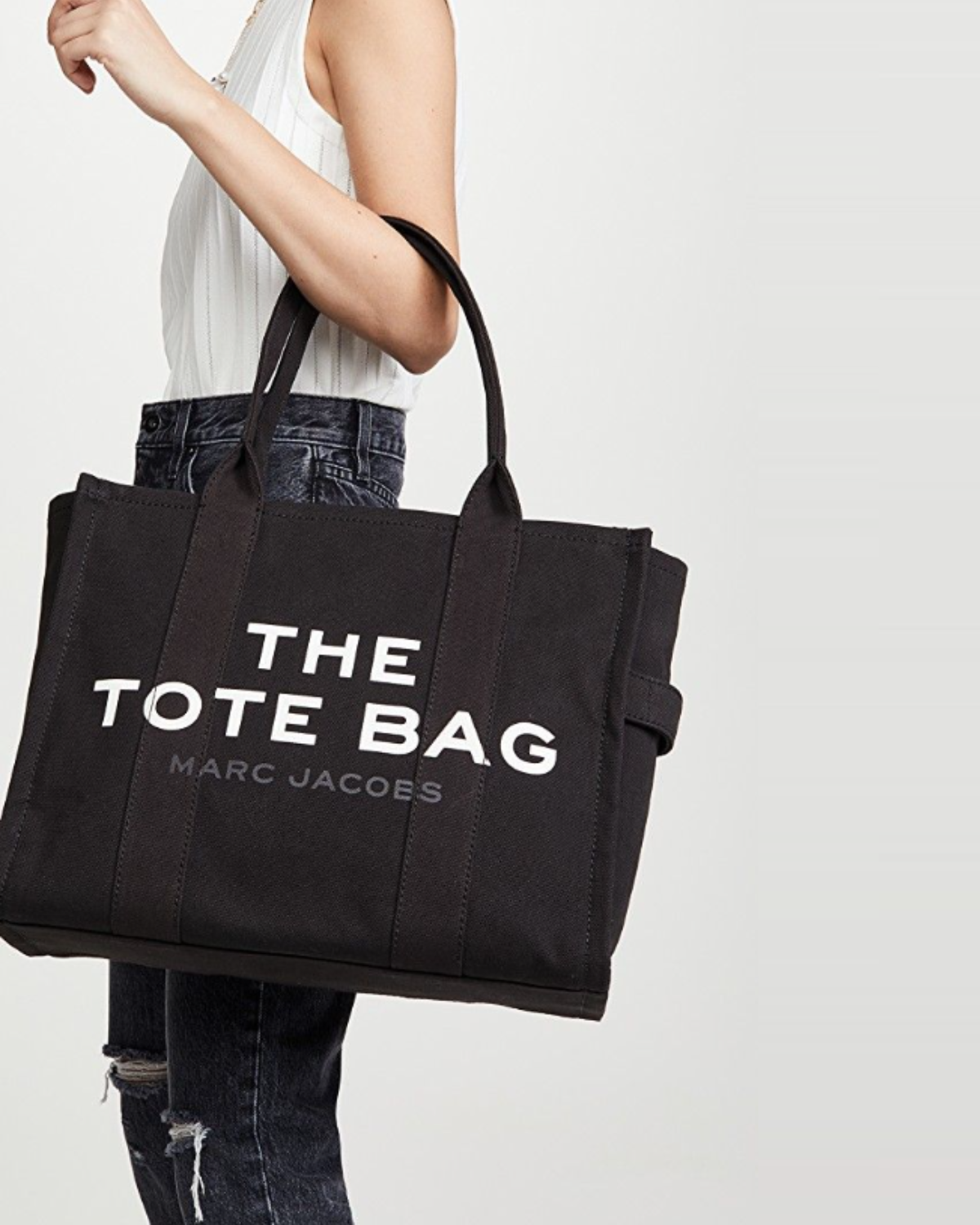
No clasp, an open top, and two long parallel handles extending from either side, just long enough to carry over the shoulder or switch to a hand-carry when your shoulder needs a break.
Totes are typically made from canvas or cotton, making them a go-to for grocery runs or carrying a laptop and notebooks to work. That said, some totes go upscale, too, crafted from leather or other premium materials, think the Tory Burch Ella or the Marc Jacobs Tote Bag.
Backpack
Designed to be worn on the back with two shoulder straps, multiple compartments, and zippers to keep everything secure, the backpack might be the one bag style that works for nearly everyone, from schoolkids to working professionals.
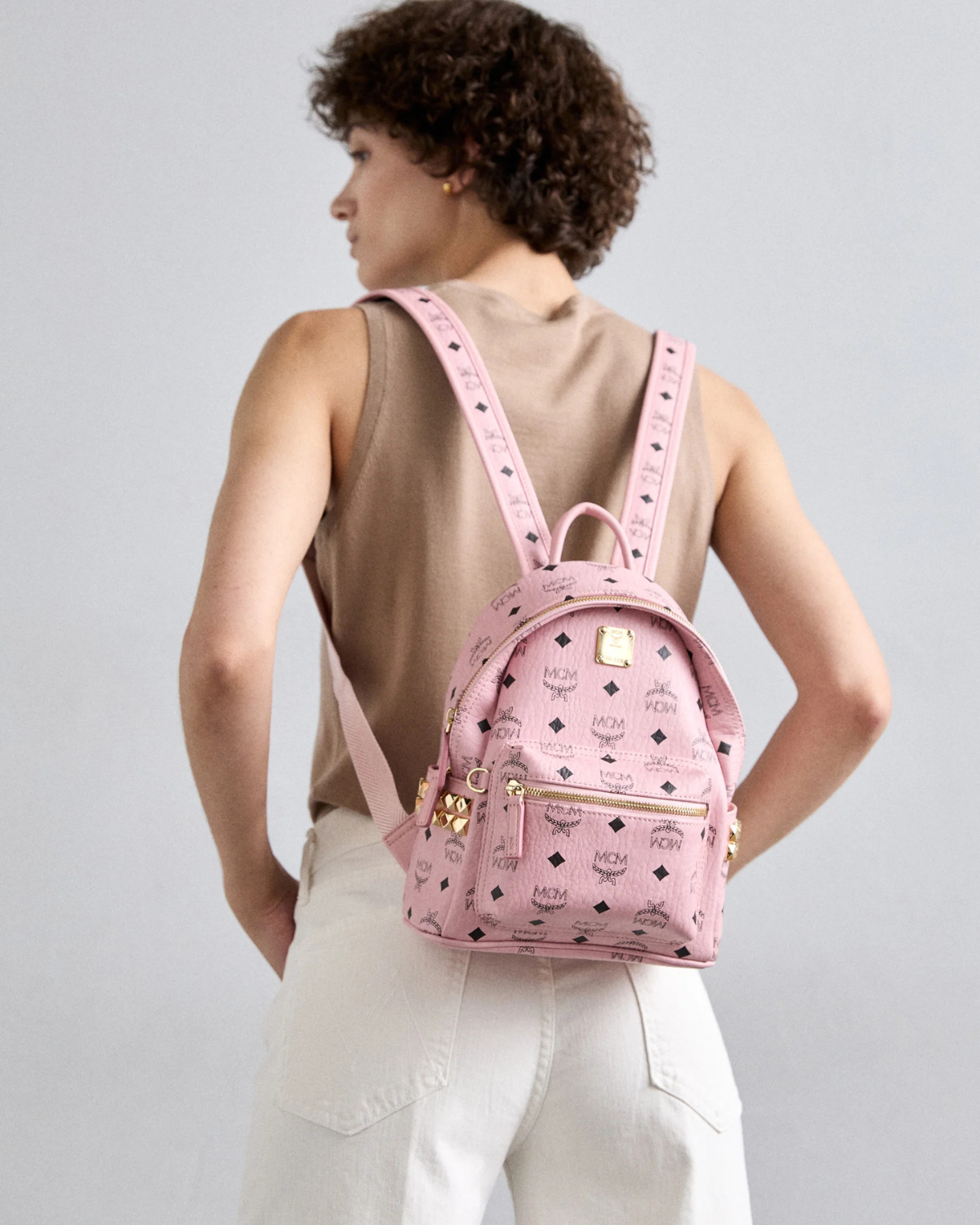
Beyond the sheer range of designs and sizes available, backpacks are especially practical for anyone constantly on the move. Their roomy interior makes it easy to pack everything needed for a longer trip.

Shoulder bag
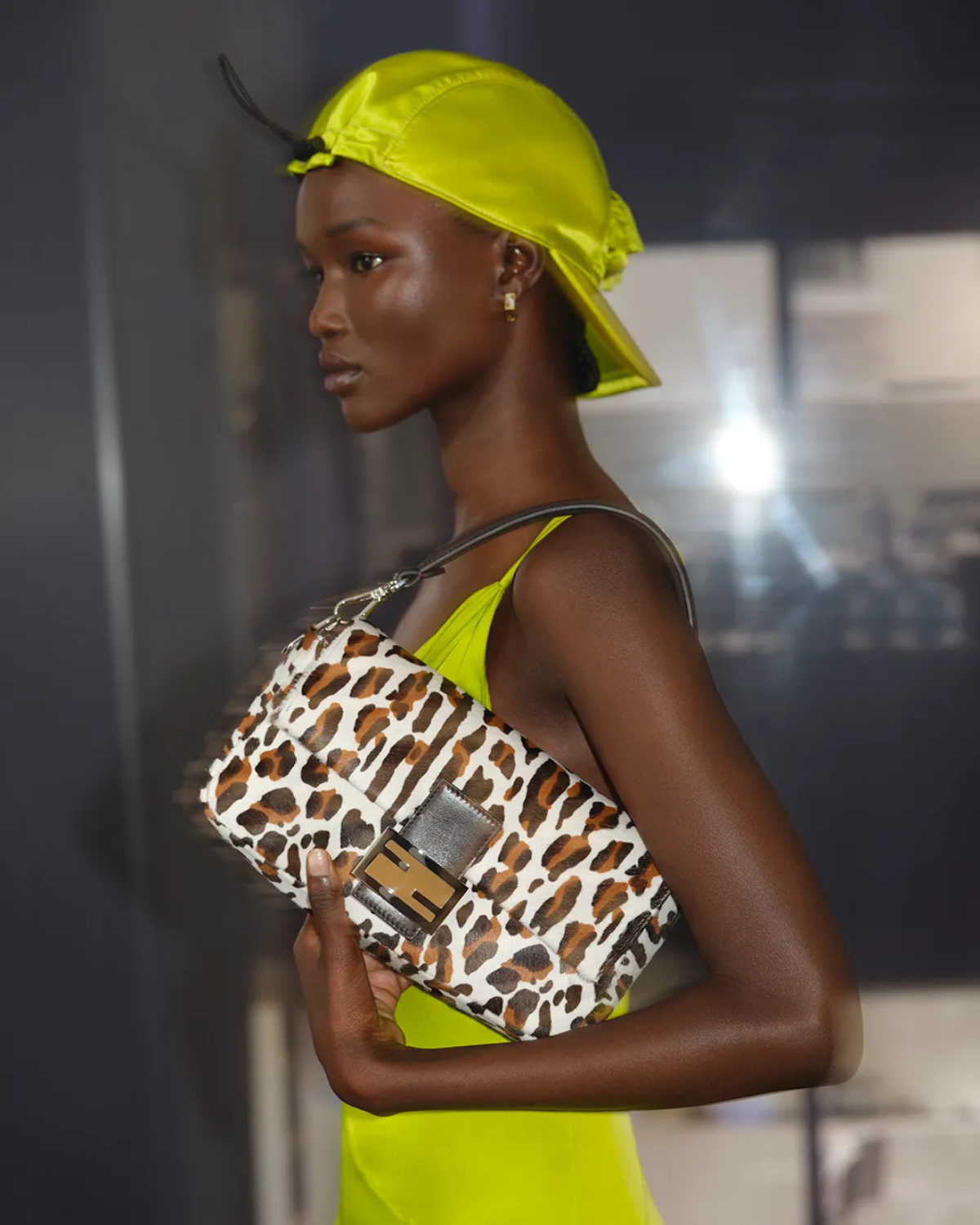
A shoulder bag comes with a short-to-medium strap designed to hang straight down from one shoulder, sitting close to the body near the underarm or chest. The design prioritizes easy access, with a slim, body-hugging silhouette.
One of its most iconic shapes is the baguette, popularized in the late 1990s for its resemblance to a French loaf tucked under the arm. And while shoulder bags do have straps, they differ from crossbody bags in a key way: the strap is shorter, and there are no long parallel handles like a tote’s.
Crossbody bag
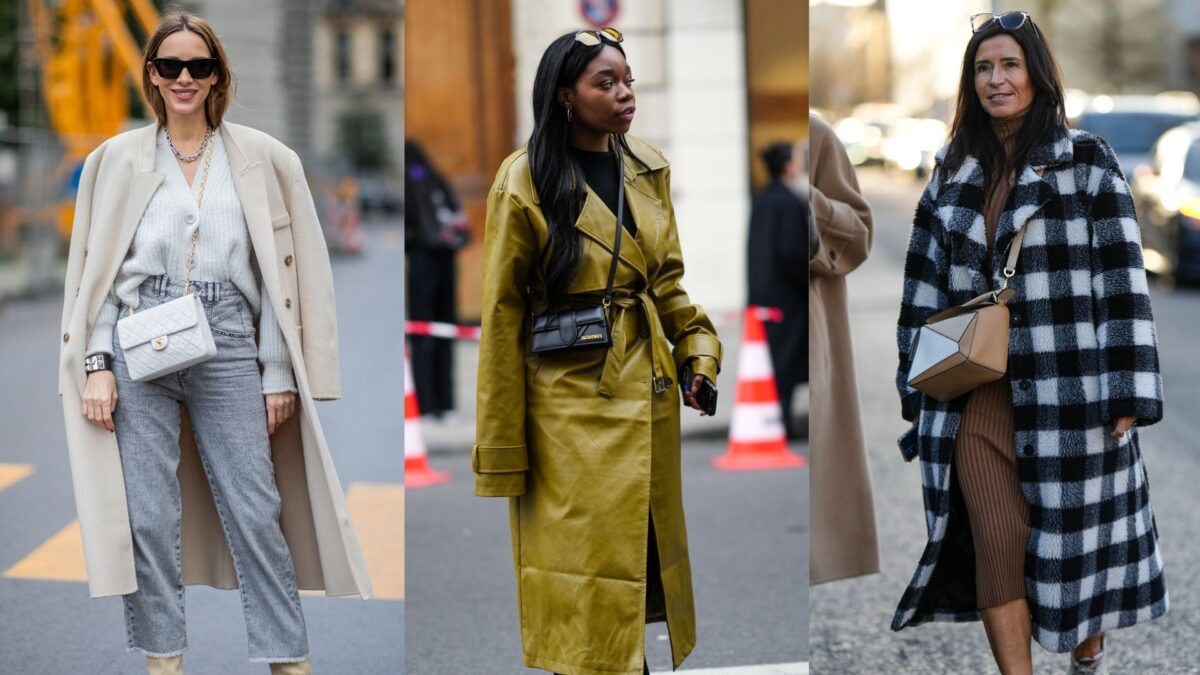
This style features a long strap worn diagonally across the body, letting the bag rest securely at the hip or waist on the opposite side. It’s built for convenience, security, and ease of movement, all without tying up your hands.
Crossbody bags also tend to be more compact than satchels, relying on zippers or magnetic clasps to keep belongings in place. People often confuse the two, but there’s a simple way to tell them apart: even with a detachable strap, a crossbody bag lacks the short top handle that defines a satchel.
Satchel bag
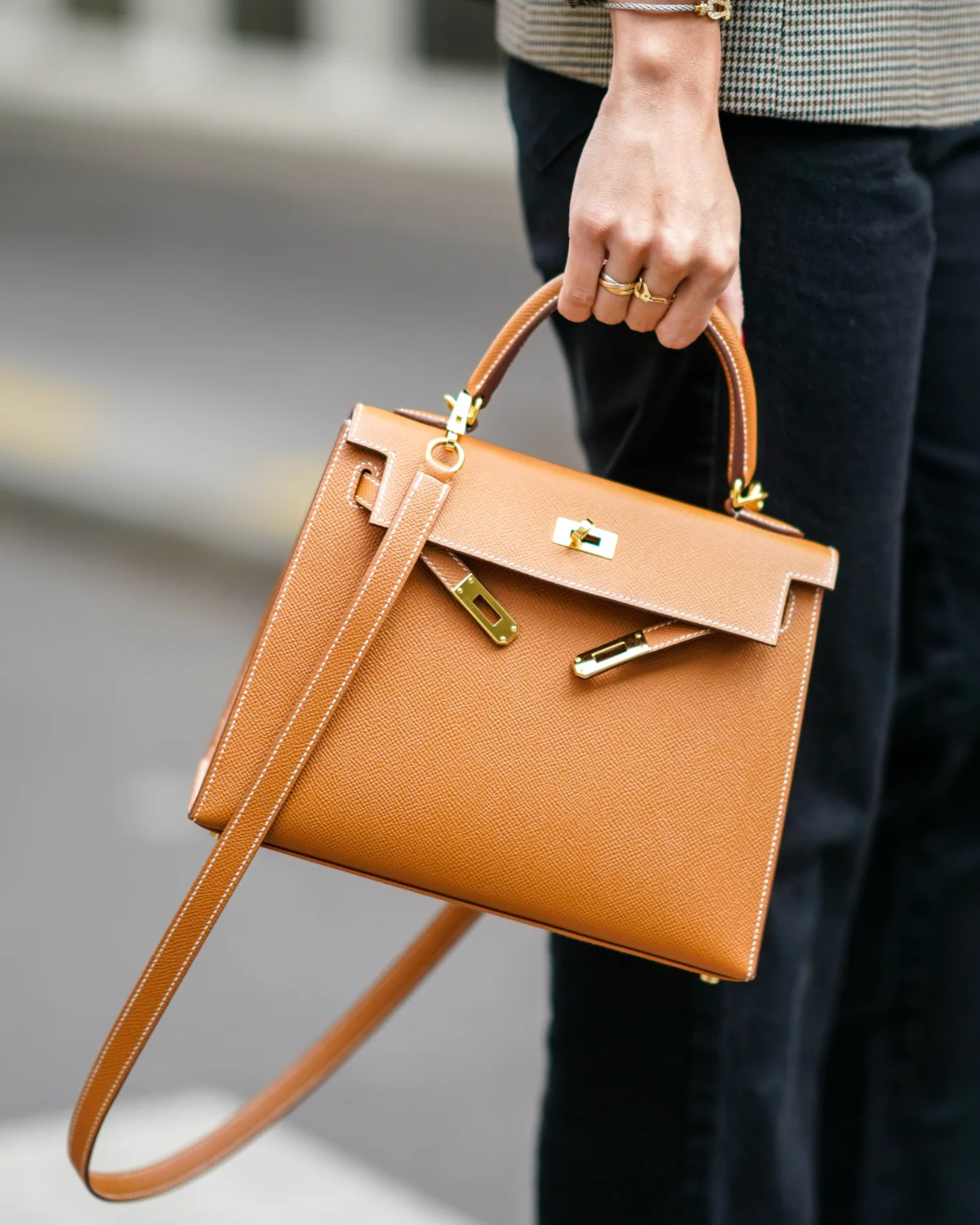
The satchel has a structured, box-like rectangular shape with a wide, flat base, a front flap closure, and a short top handle paired with a detachable strap. That clean, geometric structure is exactly what gives the satchel its classic, timeless look.
That same polished, slightly formal appearance also makes it a natural fit for office and workwear settings. Hermès iconic Kelly bag is one of the most celebrated examples of this style.
Clutch bag
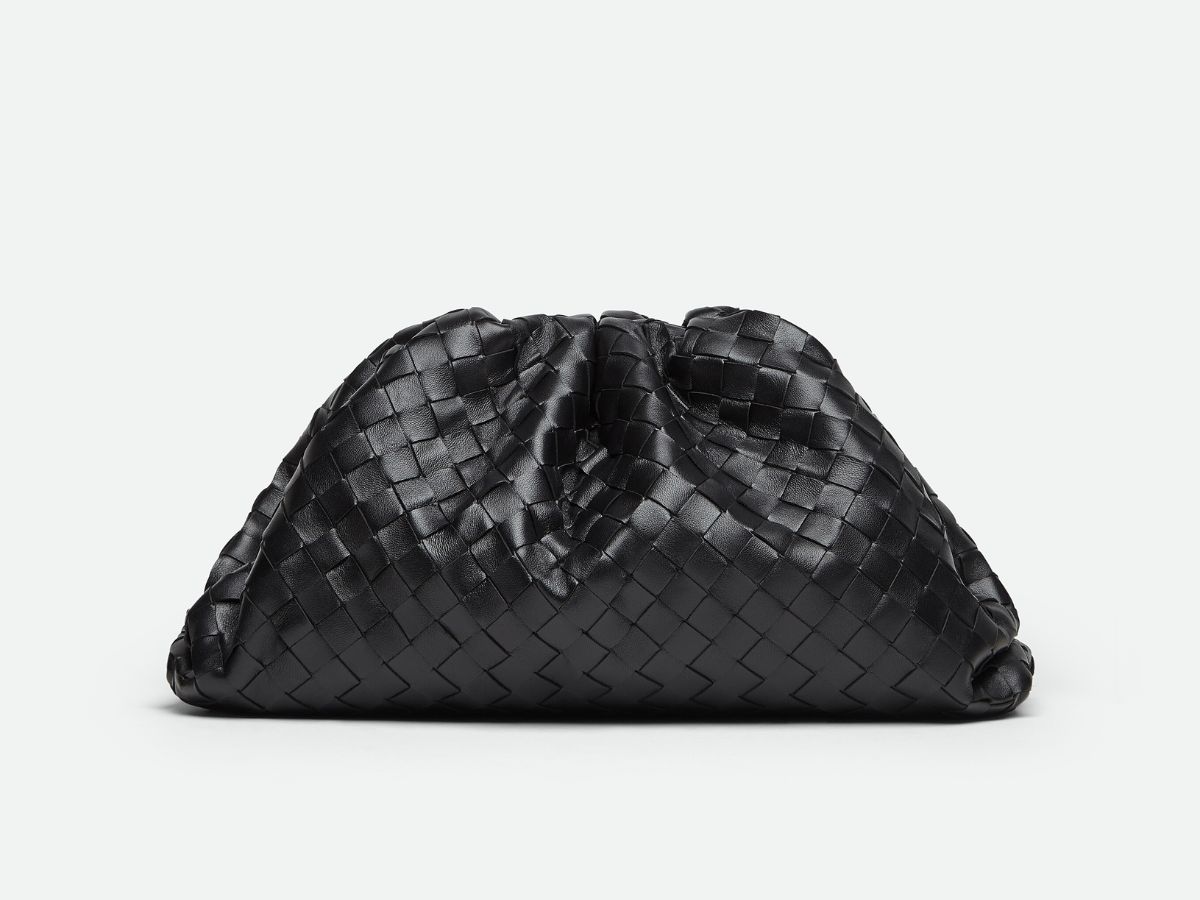
At its core, a clutch is simply a small, flat handheld pouch made to be carried directly in hand. Over time, though, modern versions have picked up detachable chain straps, giving them a bit more flexibility.
Bottega Veneta’s The Pouch is one of today’s most recognizable clutches, known for its unconventional silhouette. It quickly became a new-generation “it bag,” affectionately nicknamed the “cloud bag” by fashion insiders for its soft, rounded shape.
Top-handle bag
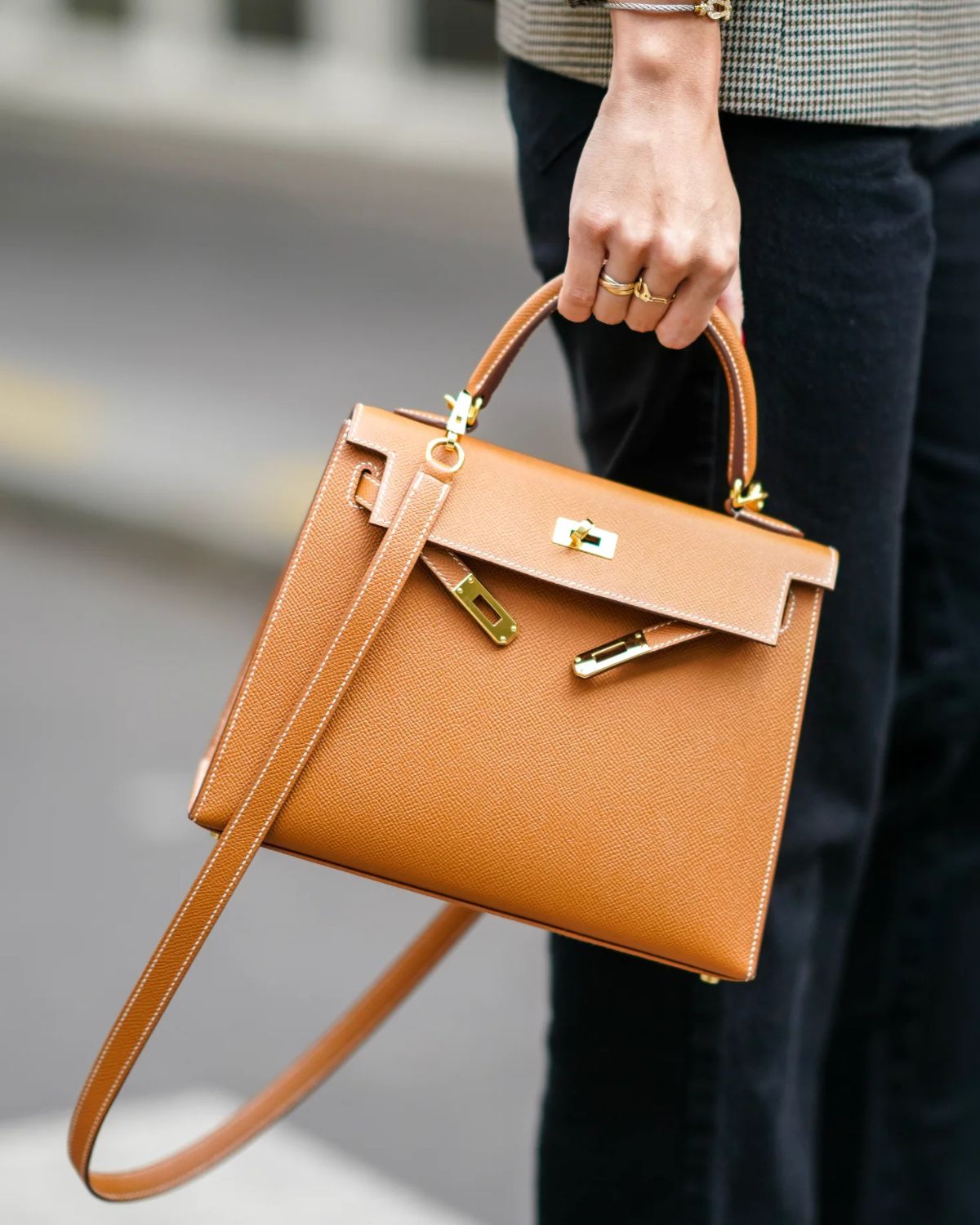
Unlike the satchel, which comes with a long shoulder strap, the top-handle bag relies on just two short handles meant for hand-carrying. Its structured body typically features metal clasps, frames, or turn-locks rather than a simple zip closure.
The Hermès Birkin stands as one of the most iconic and most coveted examples of this style among fashion lovers worldwide.
Bucket bag
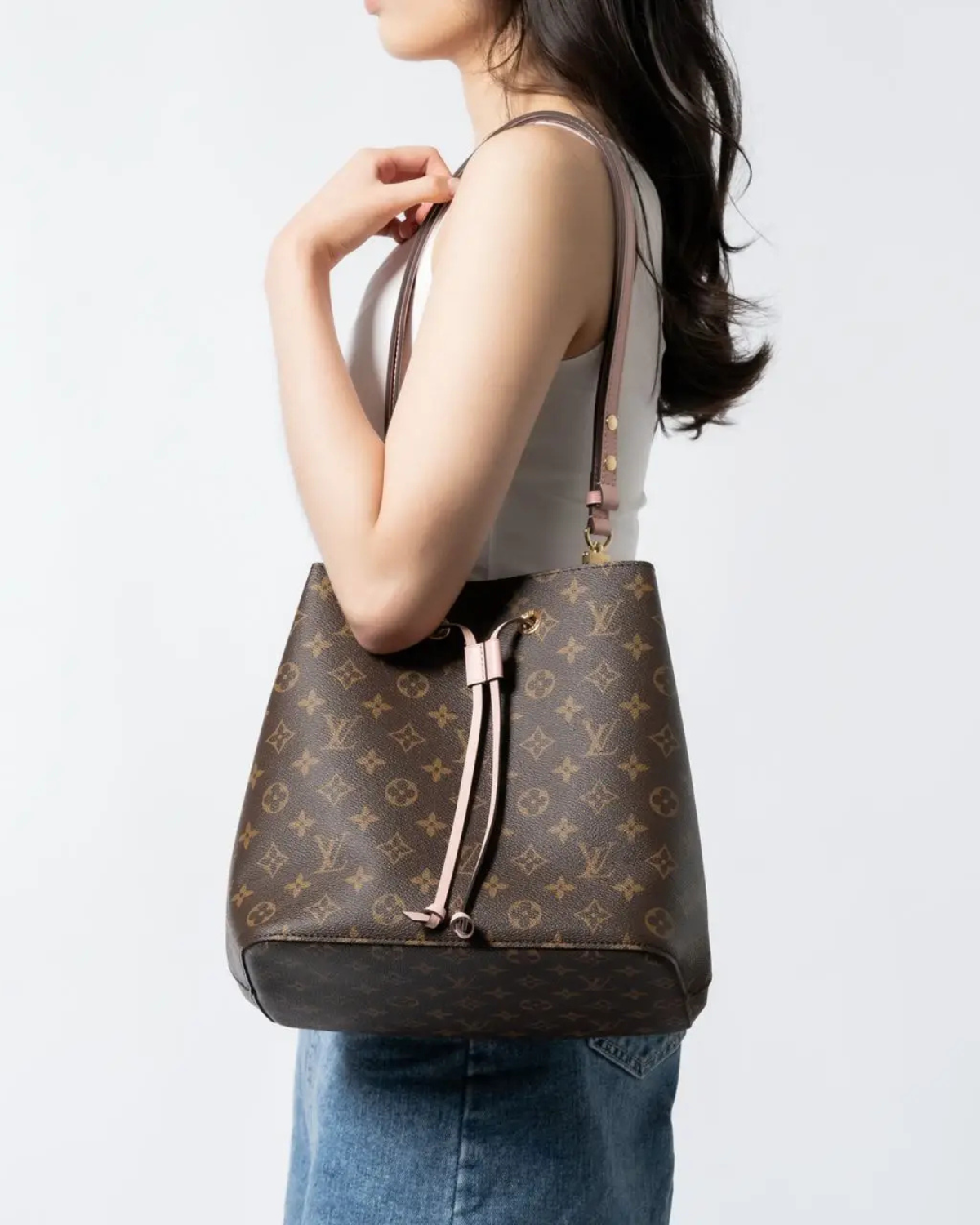
True to its name, the bucket bag takes the shape of, well, a bucket: a flat base, a roomy body, and a drawstring or knotted closure rather than a zipper or clasp.
The design actually originated at Louis Vuitton, created with a surprisingly specific purpose in mind, carrying champagne bottles. Decades later, what started as a practical solution has evolved into one of fashion’s most enduring classics.
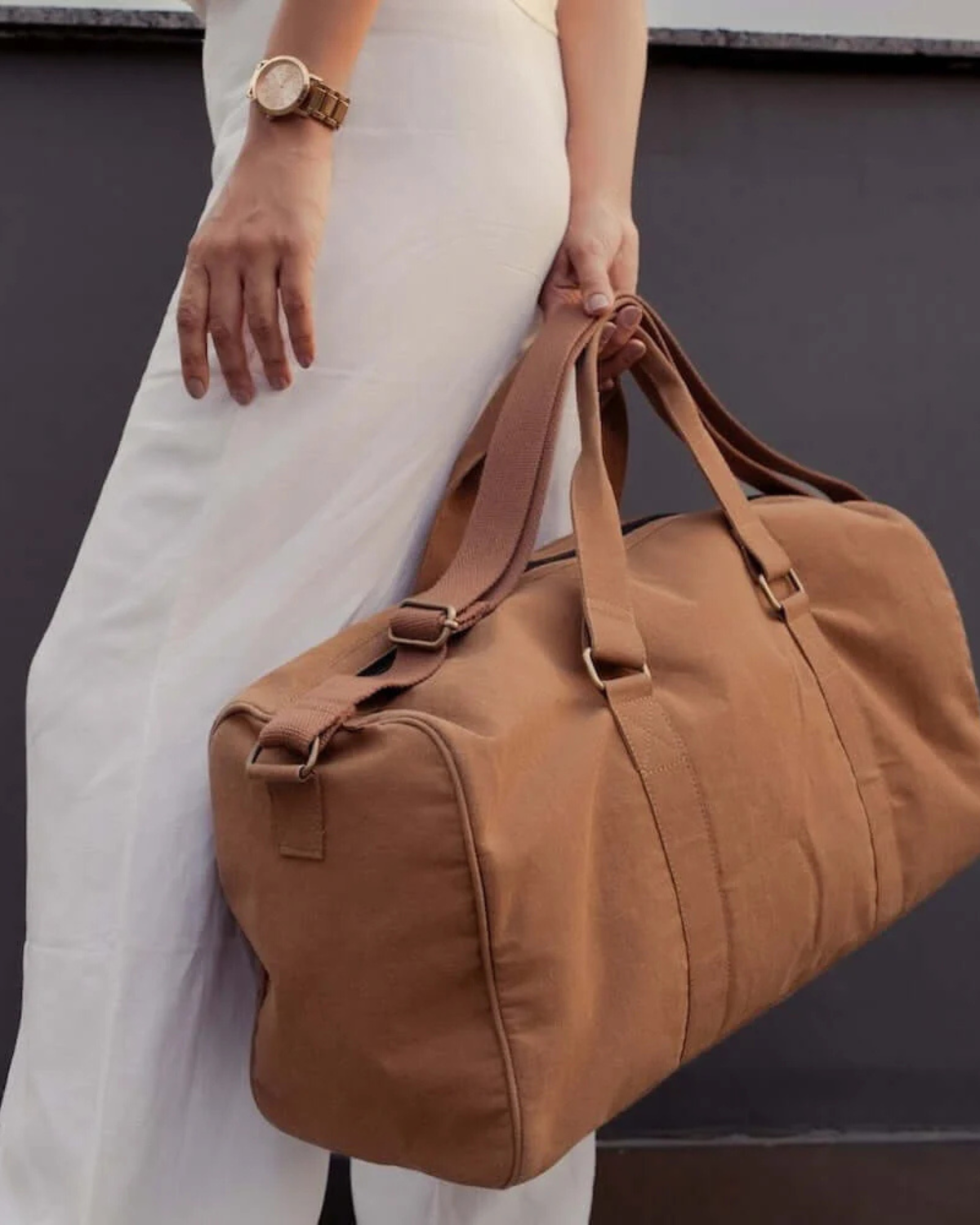
Duffle bag
Large, cylindrical, and typically made from sturdy canvas, the duffle bag features a zipper that runs the full length of the body, making it easy to grab and stash items even when the bag is packed full.
That combination of generous capacity and flexible design is exactly why duffle bags remain a go-to for travel, the gym, or any outdoor activity that calls for hauling a lot of gear.
Saddle bag
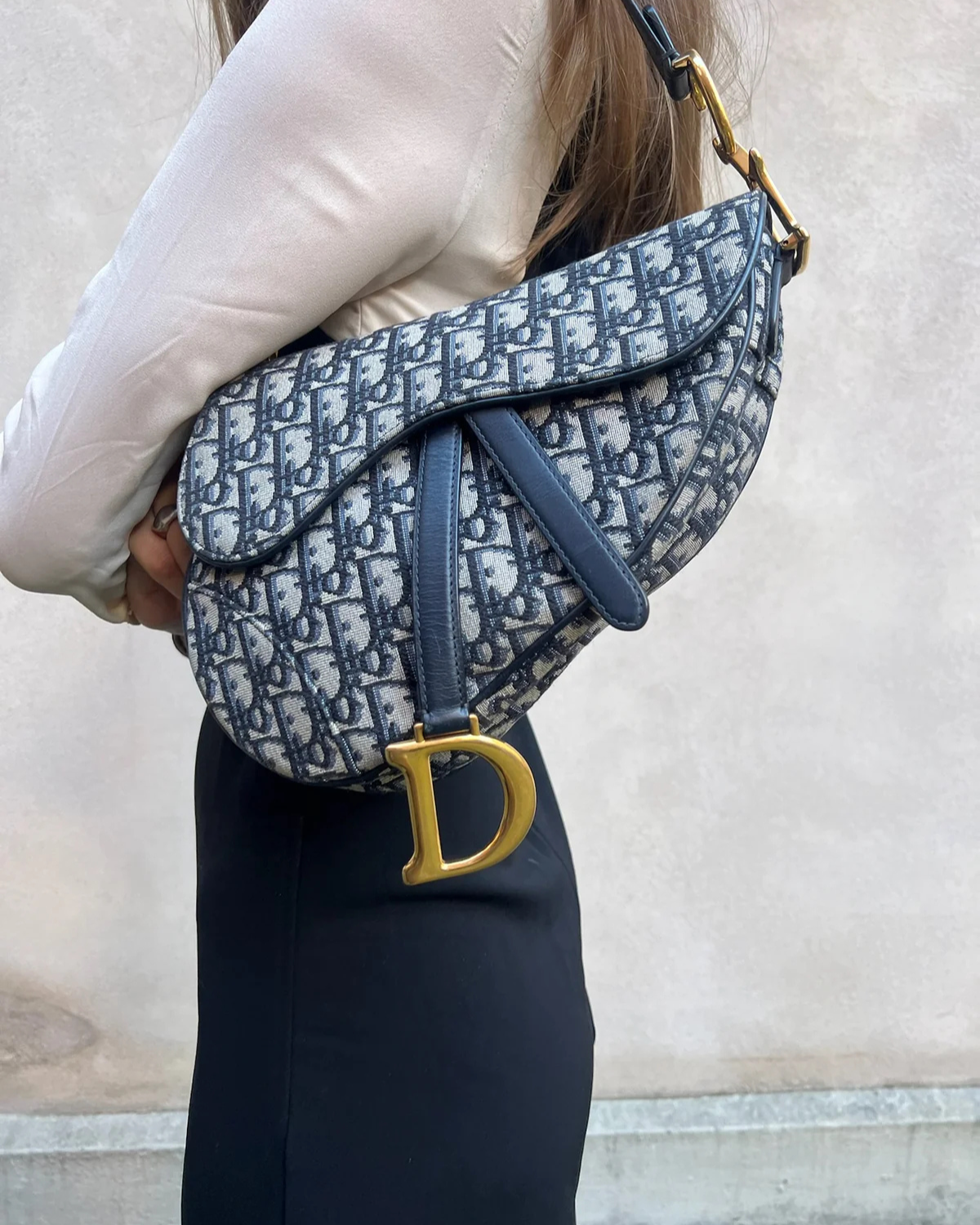
The saddle bag traces its roots back to box- or rectangle-shaped bags once hung from a horse’s saddle. Over time, the design evolved into a crossbody silhouette while still retaining the saddle’s distinctive curved profile when viewed from the side.
Among today’s saddle-shaped designs, the Dior Saddle Bag remains the most famous, sought after by fashion enthusiasts worldwide as a true modern classic.
Materials Used in Handbags
Material doesn’t just shape how a handbag looks, it directly affects durability, how it needs to be cared for, and ultimately, its price.
Leather
The most premium material used in handbags, leather offers exceptional durability and a refined look that only improves with age when properly cared for. Genuine leather, whether cowhide, goatskin, or sheepskin, tends to come at a higher price, but in return, it can last for decades. It’s the natural choice for anyone thinking of a handbag as a long-term investment.
Canvas
A tightly woven, sturdy fabric that’s lightweight and more budget-friendly than leather, canvas is the material of choice for totes and backpacks built around function and a relaxed, easygoing aesthetic.
Fabric
This category covers everything from cotton and polyester to nylon-blend textiles, offering plenty of variety in color, pattern, and price point. Fabric bags are typically light and easy to clean, though they generally can’t match the durability or water resistance of leather or nylon.
Nylon
A lightweight, durable synthetic material with strong water resistance, nylon is a popular choice for function-first bags like backpacks, messenger bags, and travel totes. It’s the ideal material for anyone who values practicality over polish and Prada remains one of the brands most associated with popularizing it in fashion.