What Is Bandana?
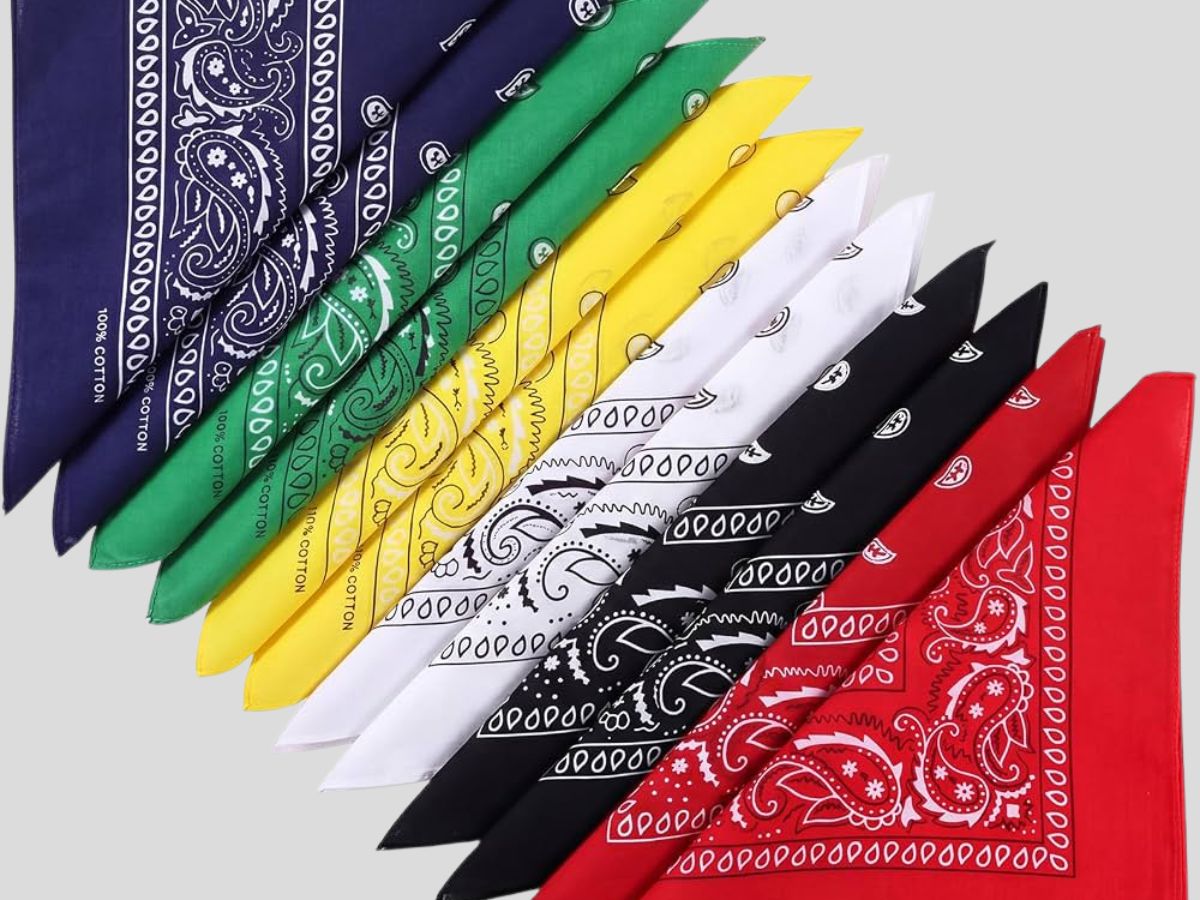
A bandana is a square scarf, most commonly cut from cotton, known for its wide range of colors and patterns. It’s a genuinely versatile piece, wrap it around your head, knot it at the neck, tie back your hair, or use it to dress up another accessory entirely. Say the word “bandana” to most people and the paisley print comes to mind almost automatically. But that’s only ever been one chapter of the story; the bandana has always been broader than the pattern it’s best known for.
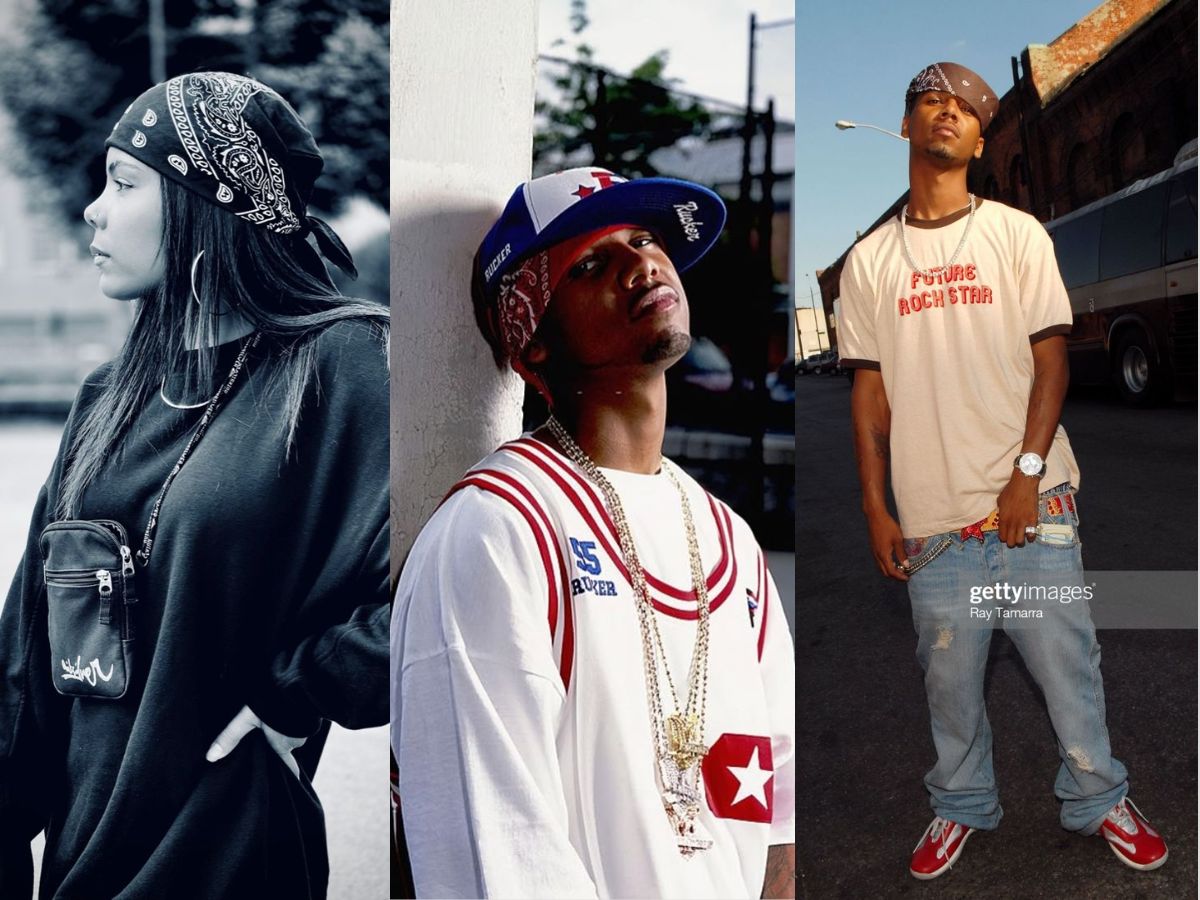
Where the twilly (sometimes called a ribbon scarf) is long and narrow, the bandana keeps to a simple square and it’s precisely that simplicity that leaves room for so many different ways to wear it. It’s also become something of an emblem in hip-hop and rap culture, a recurring detail in the wardrobes of veteran rappers and dancers around the world.
Where the Bandana Comes From
A History Older Than the Name Suggests
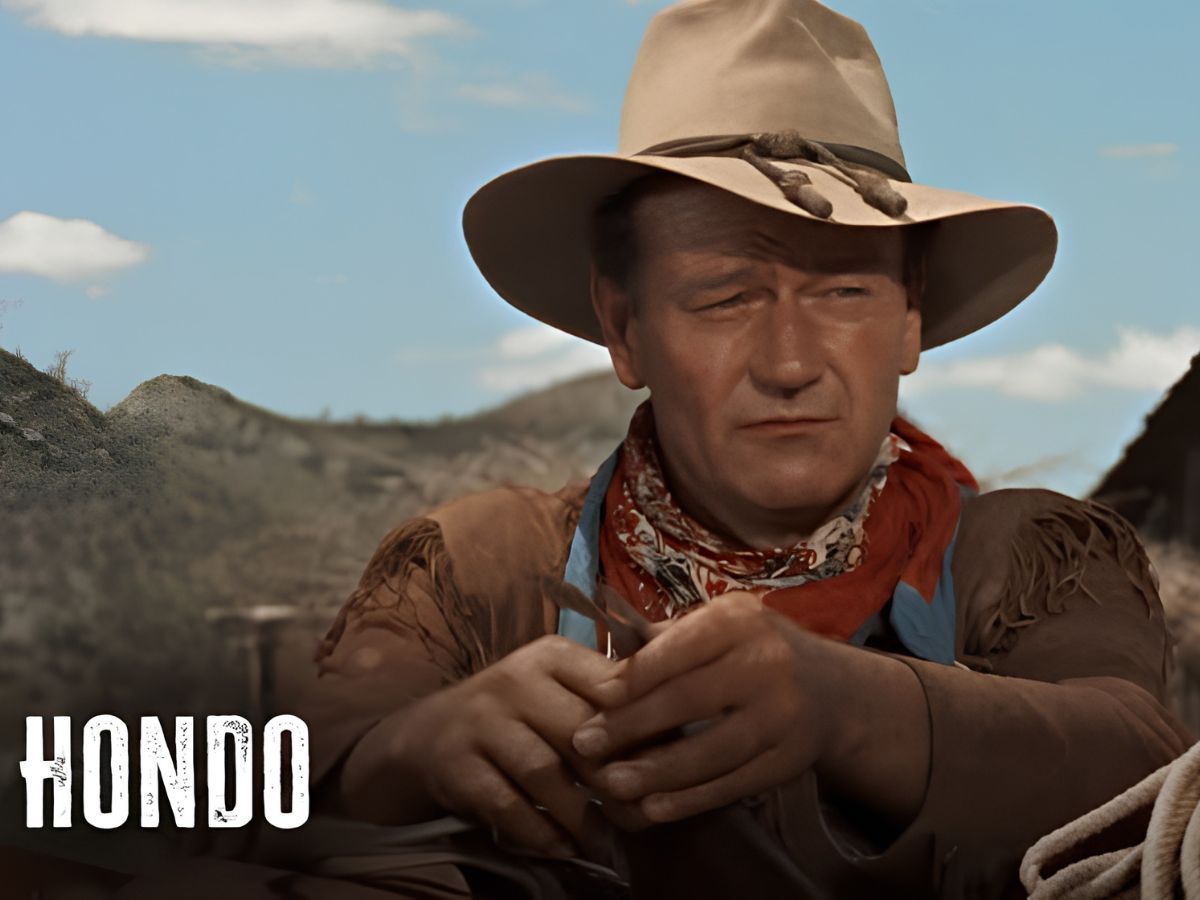
The bandana traces back thousands of years to the Indian subcontinent, where it was first known as a “kerchief”, made of silk, and used mainly to wipe away sweat. As trade routes expanded, the fabric shifted, with cotton becoming the material of choice, and the piece spread across Asia and the Middle East. By the 18th century, it had made its way to the West, and by the 19th, it was standard kit among American cowboys.
The Bandana as a Symbol of Rebellion
The word itself comes from the Sanskrit bandhnati, meaning “to tie” or “to bind” later adapted by the Portuguese into bandannoe, and eventually anglicized into the word we use today. Originally, its job was purely practical: keep the dust off, wipe the brow.
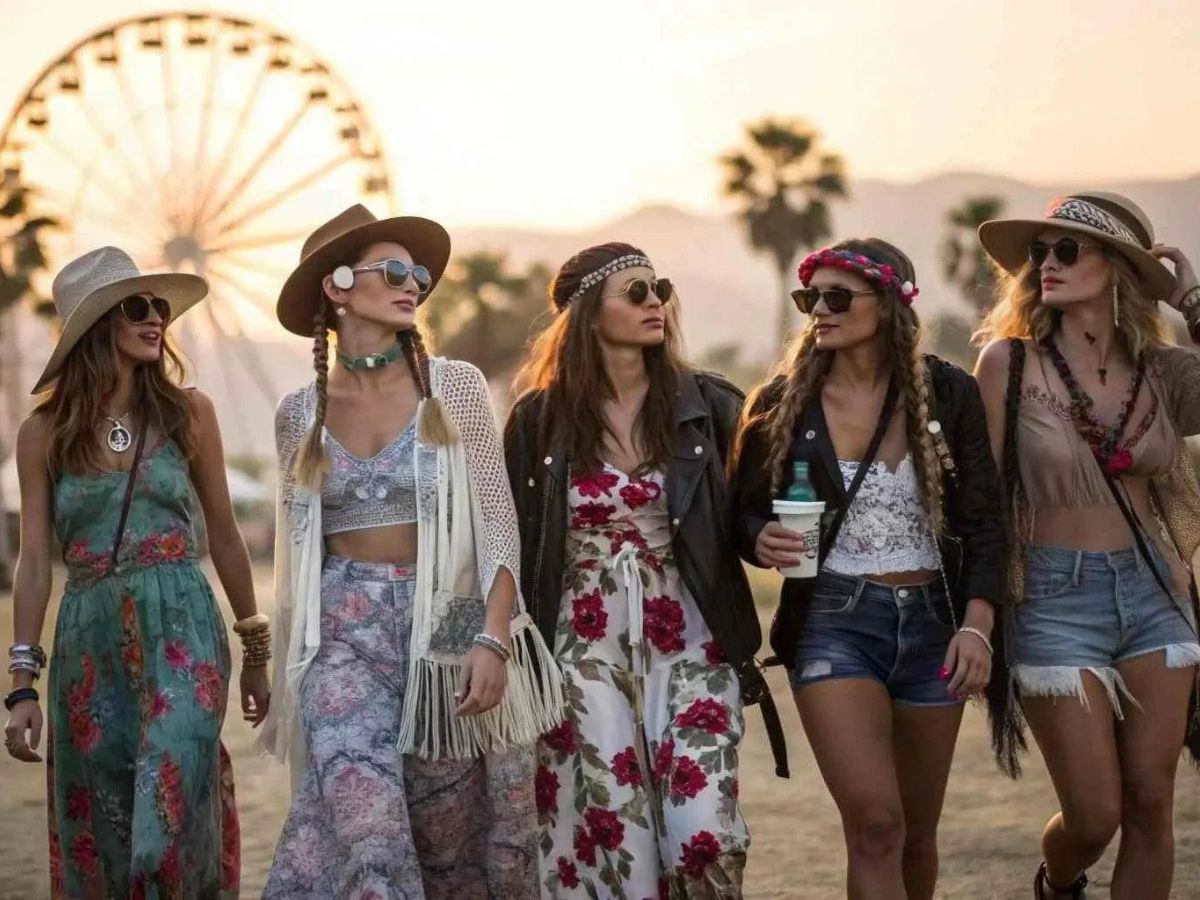
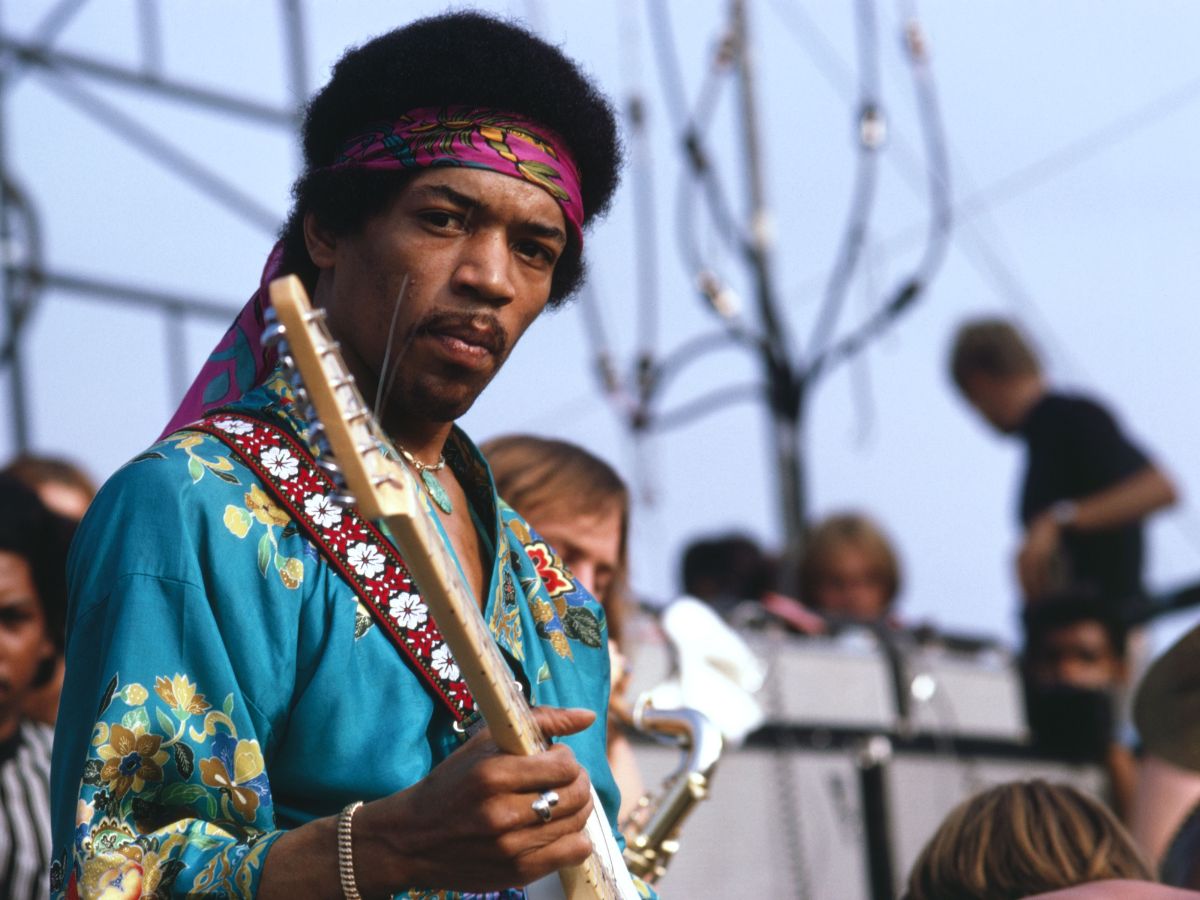
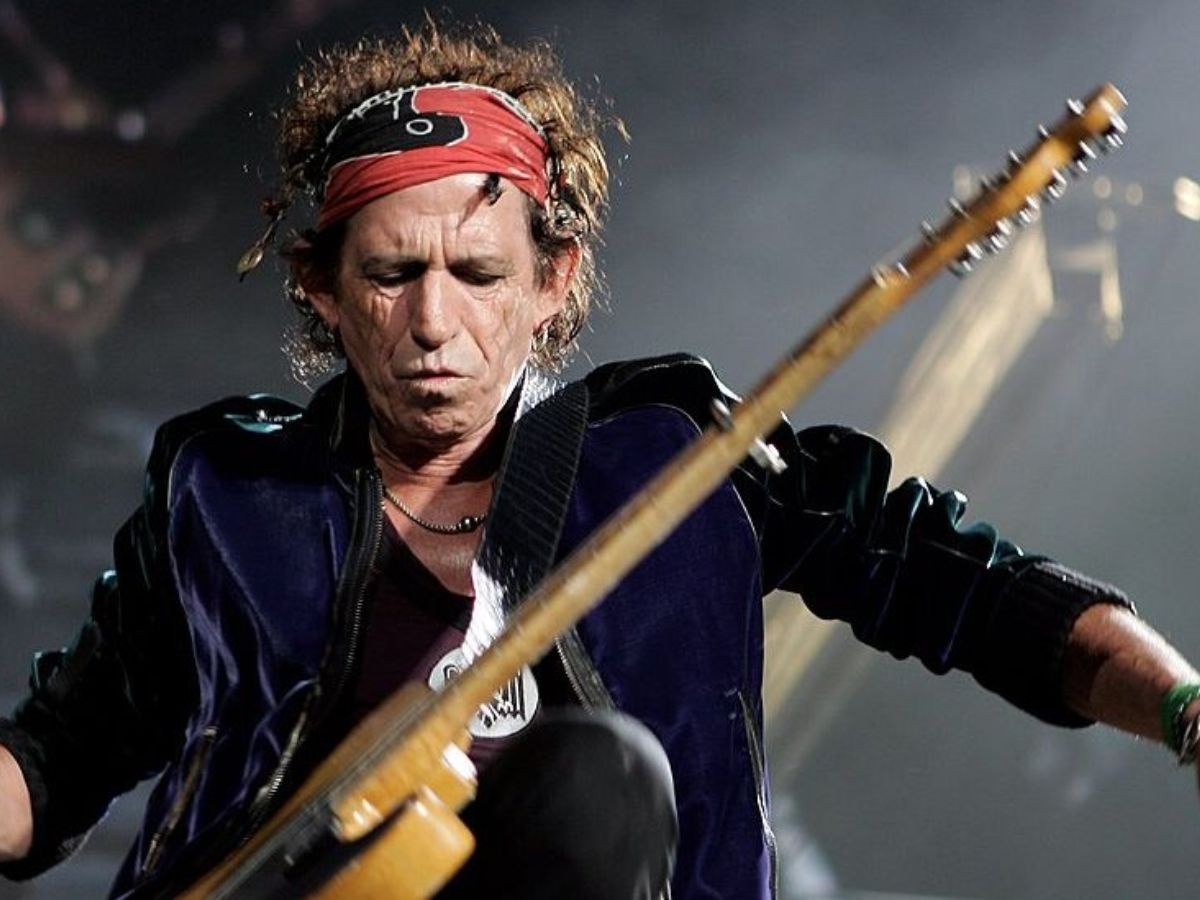
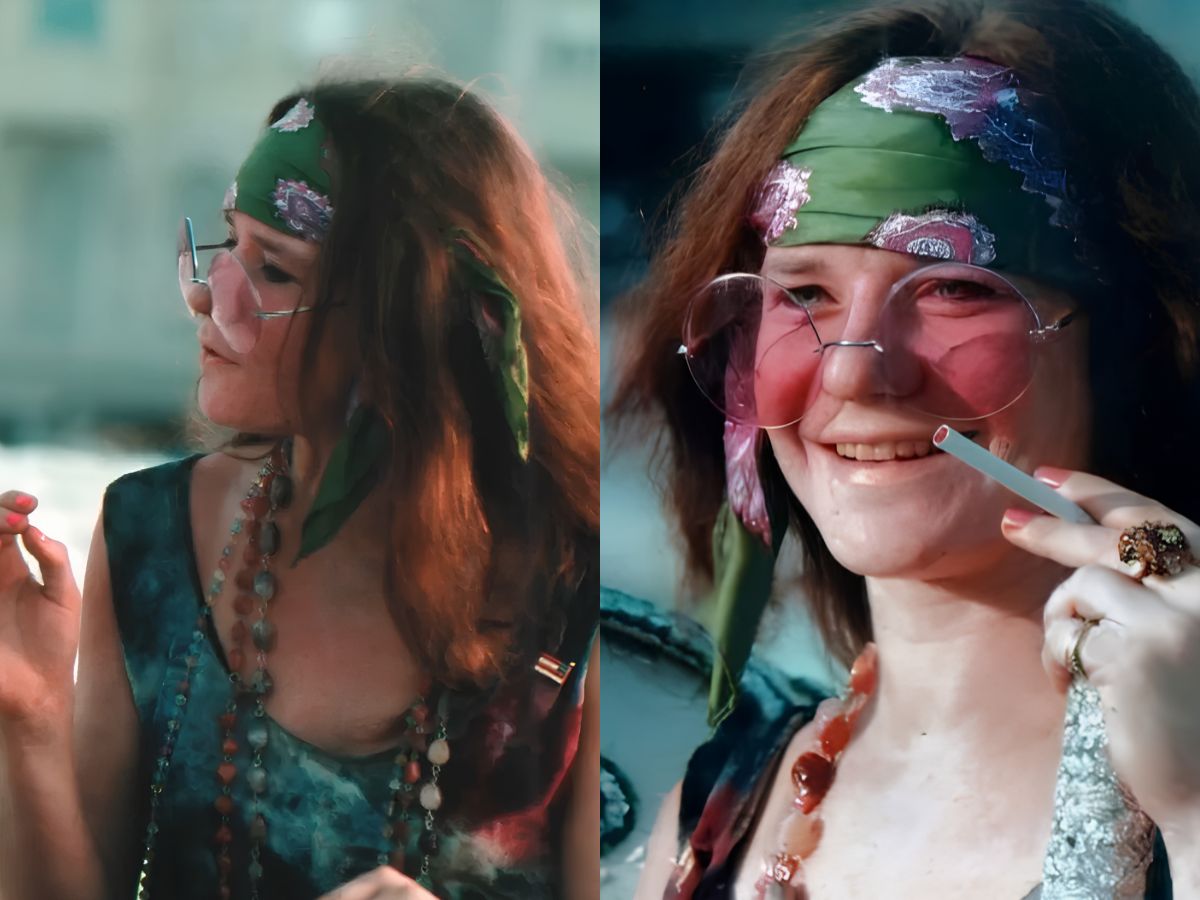
Its meaning didn’t stay put for long. By the 1960s and ’70s, riding the wave of rock ‘n’ roll and the hippie movement, young people turned the bandana into something closer to a statement, a small act of resistance against a rigid old guard. From there, it settled into its role as a symbol of rebellion and personal freedom. Whatever meaning it’s carried in a given decade, one thing has stayed constant: the bandana remains one of the most widely worn accessories on the planet.
Design Features of the Bandana
Shape and Size
The standard bandana measures 55 x 55cm, though the size shifts depending on what it’s for:
- 45 x 45cm: compact, typically seen in pocket squares or children’s versions.
- 70 x 70cm: large enough to style as a turban-like head wrap.
- 90 x 90cm: the biggest of the group, most often found in silk scarves styled as a wrap top in women’s fashion.
Material
Because it began as a practical tool for dust and sweat, the traditional bandana was made from sturdy, weather-resistant fabrics like cotton or linen.
That’s shifted. Today’s bandana has moved well beyond pure function, and many are now made from finer materials, cashmere or mulberry silk. Silk’s natural antibacterial quality means it still holds up against dust, even though it’s chosen these days more for how it looks than what it does.
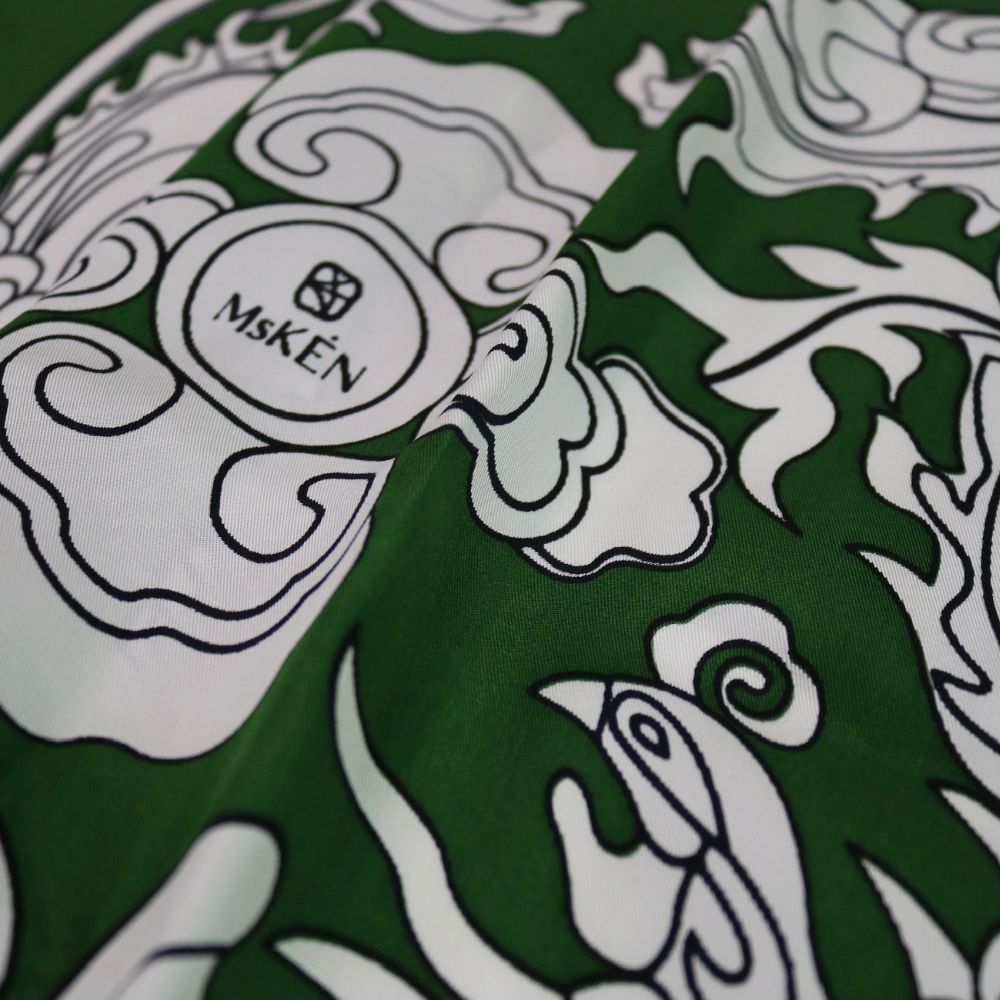
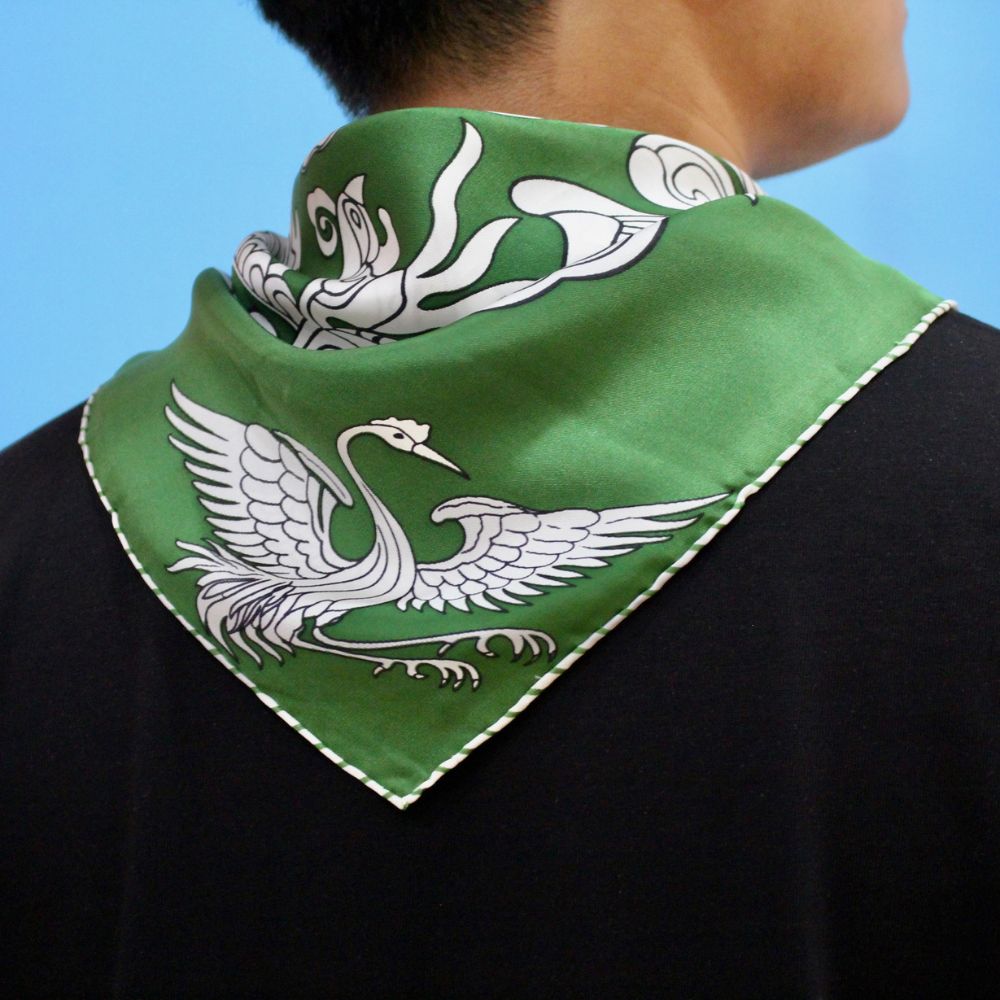
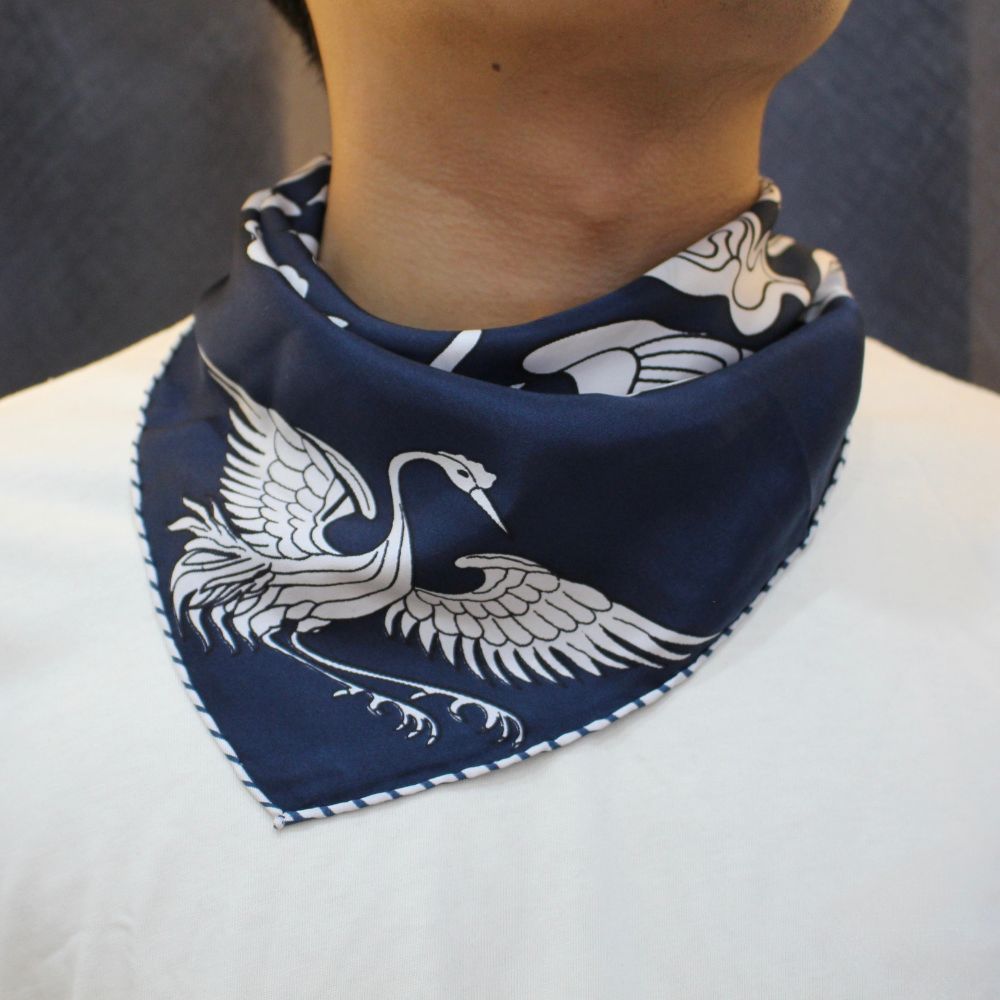
It’s exactly this quality that led MsKÉN to make silk the material of choice for our own scarves, not only for its soft drape or its natural antibacterial properties, but for the aesthetic it brings with it. That smooth surface, that natural sheen: there’s really nothing else quite like it.
The Paisley Legend
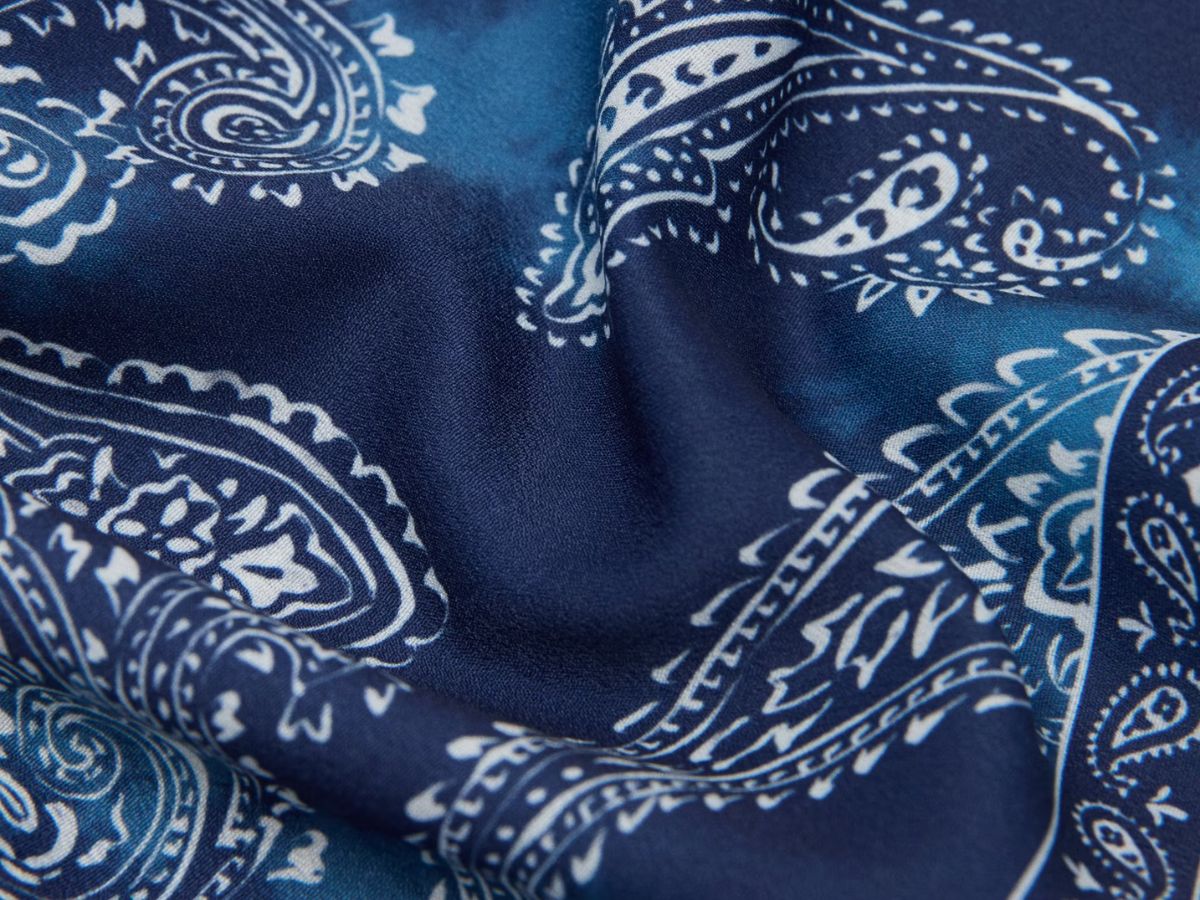
Say “bandana” and paisley is usually the first image that comes to mind an unmistakable teardrop motif with roots in Persia, once reserved for royal dress, carrying a weight of cultural meaning well beyond decoration.
But paisley has never been the only thing doing the talking. Color carries its own significance. A red bandana has long been tied to street gang culture; yellow, to military support; pink, to breast cancer awareness.
Popular Ways to Tie a Bandana
- Headband style: fold diagonally into a long strip, wrap around the head, and knot at the back or front.
- Cowboy style: fold into a triangle, wear across the chest with the point facing down, and tie the two ends behind the neck. In a pinch, this style doubles as a face covering.
- Neckerchief style: fold neatly into a strip and knot snugly around the neck; often called, half-jokingly, the “necktie fold.”
- Wrist tie: fold into a strip, wrap around the wrist, and knot.
- Pirate style: fold into a triangle, place over the head with the longest edge across the forehead, let the point trail down the back, then tie the two corners together at the back, over the trailing point.
Bandana vs. Turban: Not the Same Thing
The two get mixed up more often than they should. In reality, they’re entirely different pieces, different origins, different purpose.
Origin is where they part ways. The turban comes from Southeast Asia, North Africa, and the Middle East, and it carries a meaning that goes well beyond fashion, it’s traditional dress with deep religious significance, most notably within the Sikh community in India.
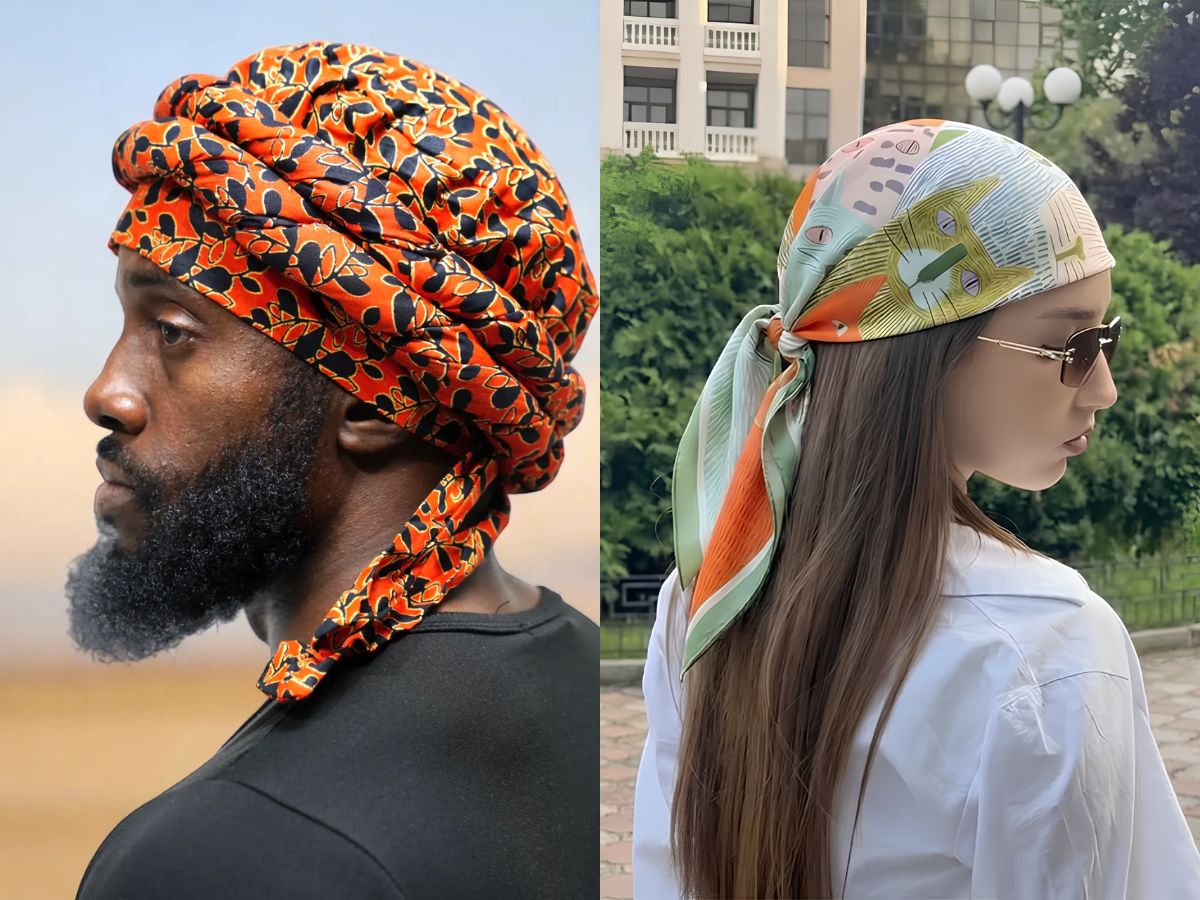
That more formal, ceremonial origin shapes its form. Rather than a square, the turban is a long rectangular length of fabric, often 2 to 5 meters or more, long enough to wind around the head repeatedly and build its distinctive shape.
That difference in size and shape carries straight through to how each is worn. The bandana, small and square, is the more flexible of the two: tied at the neck, wrapped at the wrist, or used as a quick layer against dust. The turban serves essentially one purpose is wrapped as a head covering, true to its traditional and symbolic role.
In Closing
What started as a square of fabric meant for wiping sweat has become a wardrobe staple for a wide swath of young, style-conscious people. Whatever pattern it takes, paisley or otherwise; what’s kept the bandana relevant is its ability to adapt: to different styles, different uses, different people. It’s proof of a design philosophy that’s both creative and flexible.
That’s the same spirit MsKÉN brings to every piece we make. Each design is built for lasting use; meant to be worn differently depending on the moment, without losing its shape or its look. Our square silk scarves carry forward everything that’s made the bandana a fashion fixture in the first place, while giving it room to move: styled a different way for a different mood, so the person wearing it can shape a look that’s entirely their own.