Sericulture, or the practice of growing mulberry trees and raising silkworms, may sound like something from the distant past, but silk has been part of Vietnamese life for centuries. It began as an agricultural practice and gradually became closely connected to the culture, traditions, and livelihoods of many Vietnamese families.
Today, sericulture is still practiced in many parts of Vietnam and is going through an important period of change, especially in the Central Highlands. With advances in technology and growing demand for natural and traditional products, Vietnam’s sericulture industry is finding new opportunities to grow. But where did sericulture in Vietnam begin, and how has it developed throughout history?
When did sericulture first appear in Vietnam?
The early origins of sericulture in Vietnam
The story of sericulture in Vietnam began a very long time ago. Some of its history has been passed down through folk legends, while other parts can be found in historical records and evidence of agricultural life among ancient Vietnamese communities.
The first milestones of sericulture
Historical records in the Book of Han, an ancient Chinese historical text, mention that the Lac Viet people were highly skilled in sericulture. This suggests that the tradition was more than just a legend and that silk production had already been passed down through generations.
One record describes the Lac Viet people as having “two rice crops and eight silkworm crops a year.” This is valuable evidence that, even during the period of Chinese rule, Vietnamese ancestors had developed advanced agricultural practices and relatively sophisticated silkworm-raising techniques.
At the heart of this tradition was a close relationship between mulberry trees and silkworms: without mulberry leaves, there would be no silkworms, and from this simple connection came the golden threads that would eventually become silk.
Mulberry trees, silkworms, and daily life in Ancient Vietnam
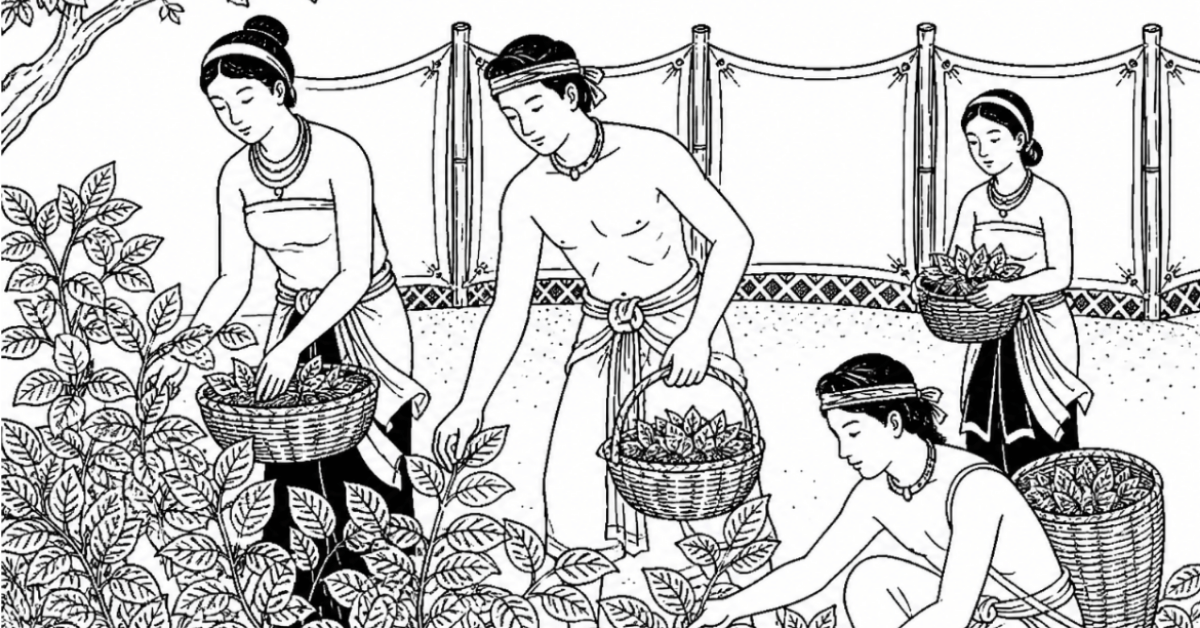
Mulberry trees were once widely grown across the Vietnamese countryside, especially in river deltas and lowland areas. Green mulberry fields became part of the rural landscape, while raising silkworms, reeling silk, and weaving fabric were familiar activities for many families.
In a traditional silk-producing family, each person often had a role to play. Some took care of the mulberry fields, while others raised silkworms and carefully monitored their development. Once the silkworms formed cocoons, the cocoons were collected and taken for silk reeling.
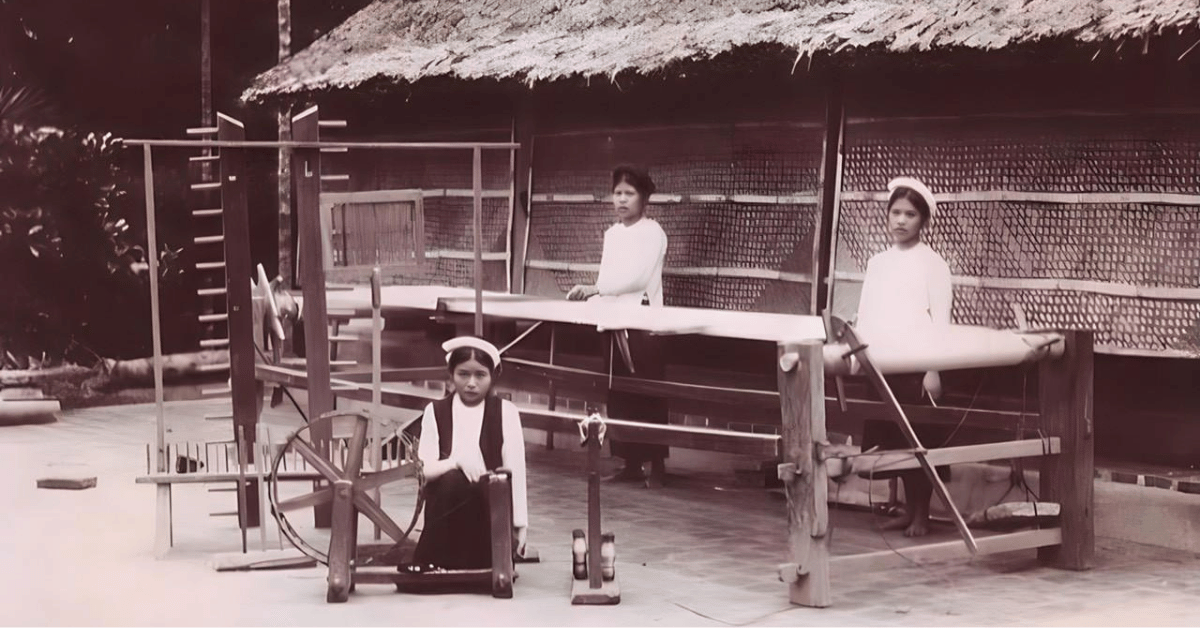
Rural women also played an important role in reeling silk and weaving fabric. At the time, silk was a valuable material used in everyday life and special occasions, and it was also part of the clothing worn by people of higher social status.
Over time, many areas developed into specialized villages known for mulberry growing, silkworm raising, and silk weaving. In Phủ biên tạp lục, Lê Quý Đôn recorded that the Thăng Hoa and Điện Bàn areas were known for producing various types of high-quality fabrics and silk.
These records show that silk production and weaving had already become relatively diverse and developed in Vietnam many centuries ago.
The development of sericulture through different periods
Looking back at history, sericulture has never followed a straight path. There were periods when the industry flourished and silk was widely traded, as well as difficult times when wars and economic changes forced people to reduce production.
Each period left its own mark. What began as a way for rural families to support their daily lives gradually developed into a valuable industry connected to regional trade. Later, the introduction of machinery and new production methods brought even more changes.
To better understand this journey, let’s take a closer look at how sericulture developed through each historical period.
The feudal period
During the feudal period, agriculture played an important role in Vietnam’s economy. Alongside rice farming, many dynasties also paid attention to growing mulberry trees, raising silkworms, and producing textiles.
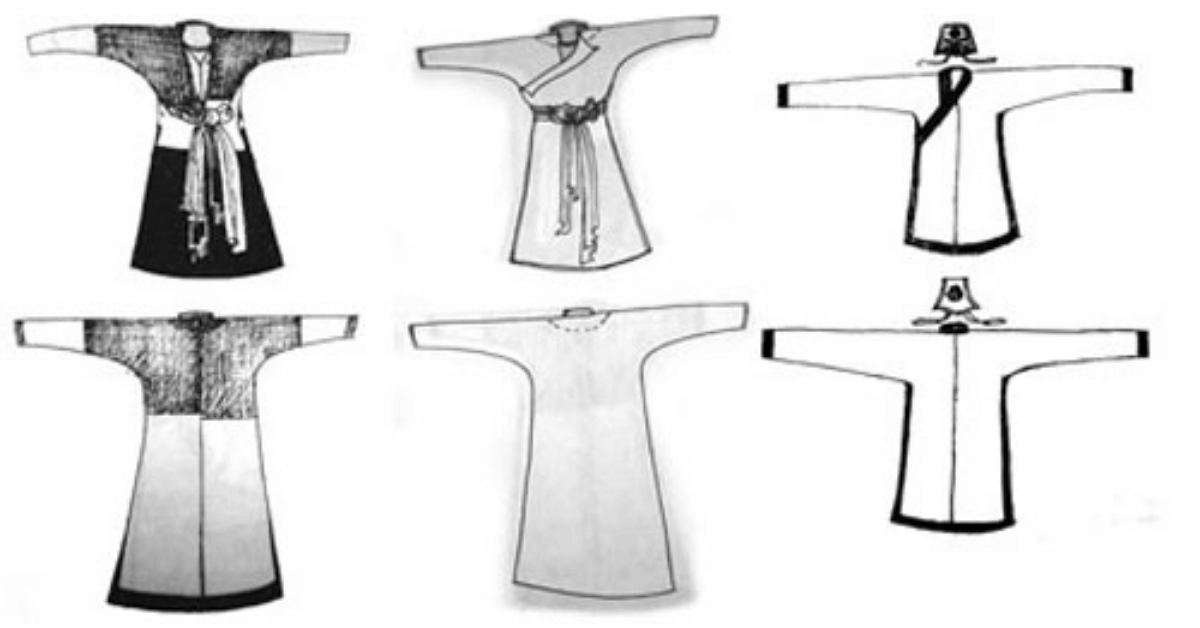
Silk was used by the royal court, nobles, and government officials. It could also be used as a diplomatic gift or traded with other countries. As a result, sericulture gradually became an important part of agricultural production that received attention from the state.
During the Ly and Tran dynasties, textile production made significant progress. Brocade, fine silk, and other decorative fabrics were produced for the royal court and wealthy communities. The skills of craftsmen also continued to improve, laying the foundation for the development of traditional craft villages in later periods.
The 15th-17th centuries: Silk and the growth of trade
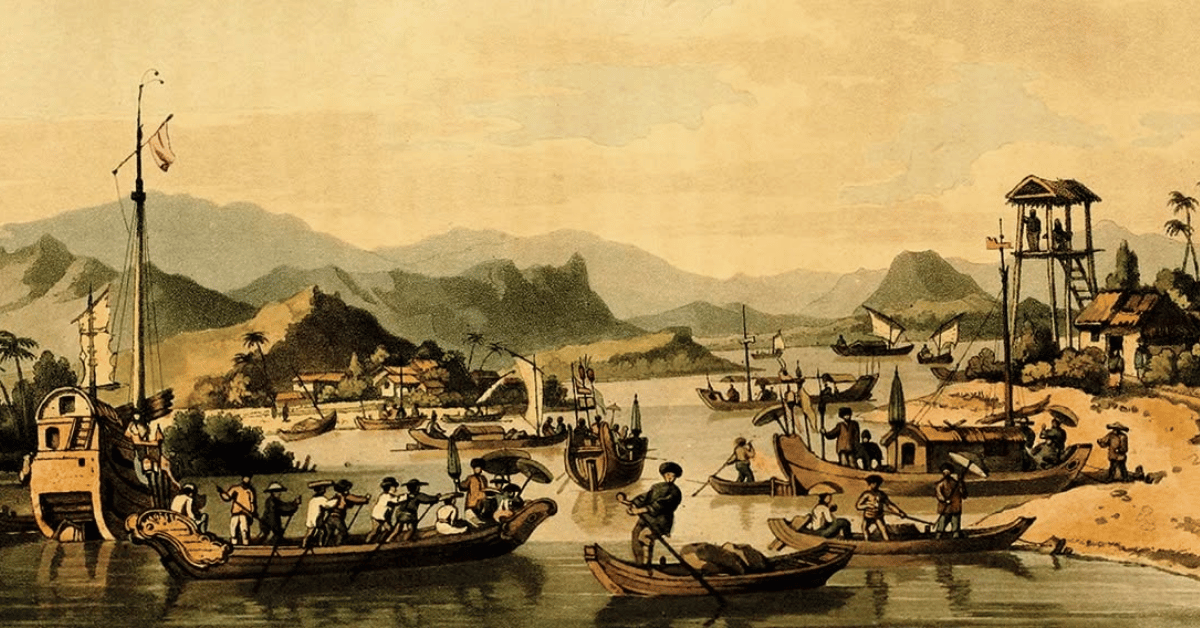
From around the 15th to the 17th century, regional trade grew rapidly and created new opportunities for Vietnam’s silk industry. Many areas in the Red River Delta developed mulberry cultivation, silkworm raising, and silk weaving. These included areas that are now part of Bac Ninh, Hai Duong, and the former Ha Tay region.
Silk was used domestically and also became an important product in trade with foreign merchants. The development of trading ports such as Hoi An and Pho Hien helped Vietnamese products reach international markets. In Hoi An, merchants from Japan, the Netherlands, Portugal, England, and many other places came to trade. As a result, Vietnamese silk and textiles gained access to a wider market.
This was an important period when sericulture began to move beyond individual families and craft villages and became more closely connected to larger commercial networks.
The French colonial period
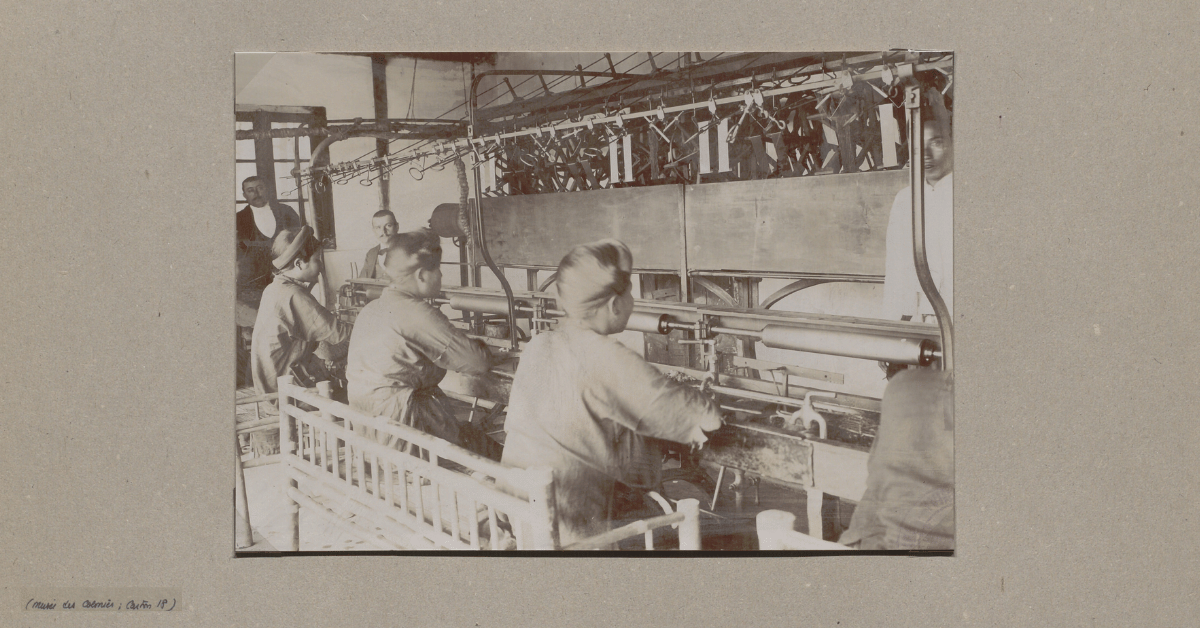
When the French established colonial rule in Indochina, Vietnam’s silk industry came into greater contact with machinery and new production methods.
Several silk-reeling and silk-processing facilities were established, while new varieties of mulberry trees and silkworms were also introduced and tested. These changes helped make some stages of production faster and more consistent than traditional manual methods.
However, the development of the industry during this period was closely connected to French colonial exploitation. The French were interested in using resources from Indochina to support production and exports. As a result, local communities continued to face significant economic and production pressures.
Even so, this period had a lasting impact on the technical development of Vietnam’s silk industry and marked an important step in its transition from traditional to more mechanized production.
Vietnamese sericulture in the 20th century
The 20th century was one of the most challenging periods for Vietnam’s sericulture industry.
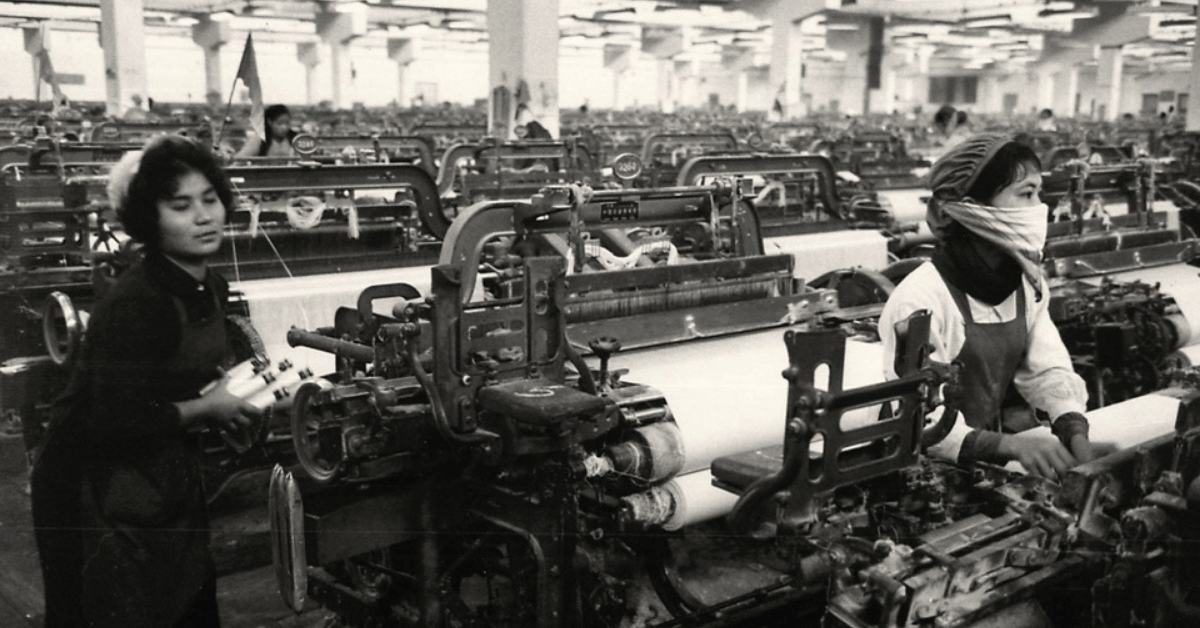
Long periods of war disrupted production in many areas. After 1945, textile and silk production gradually began to recover, with cooperatives playing an important role.
However, during the 1970s and 1980s, the silk industry faced further difficulties. Agricultural production and traditional craft villages were affected by economic conditions, while synthetic fibers became increasingly popular and created strong competition for natural silk.
Many families had to reduce their mulberry-growing areas or switch to crops that offered better returns. Some traditional craft villages were also at risk of disappearing as younger generations became less interested in work that required so much time and effort.
Despite these difficulties, sericulture survived in several regions. Experienced artisans continued to preserve traditional techniques for raising silkworms, reeling silk, and weaving fabric, creating a foundation for the industry’s later recovery.
Vietnamese sericulture today
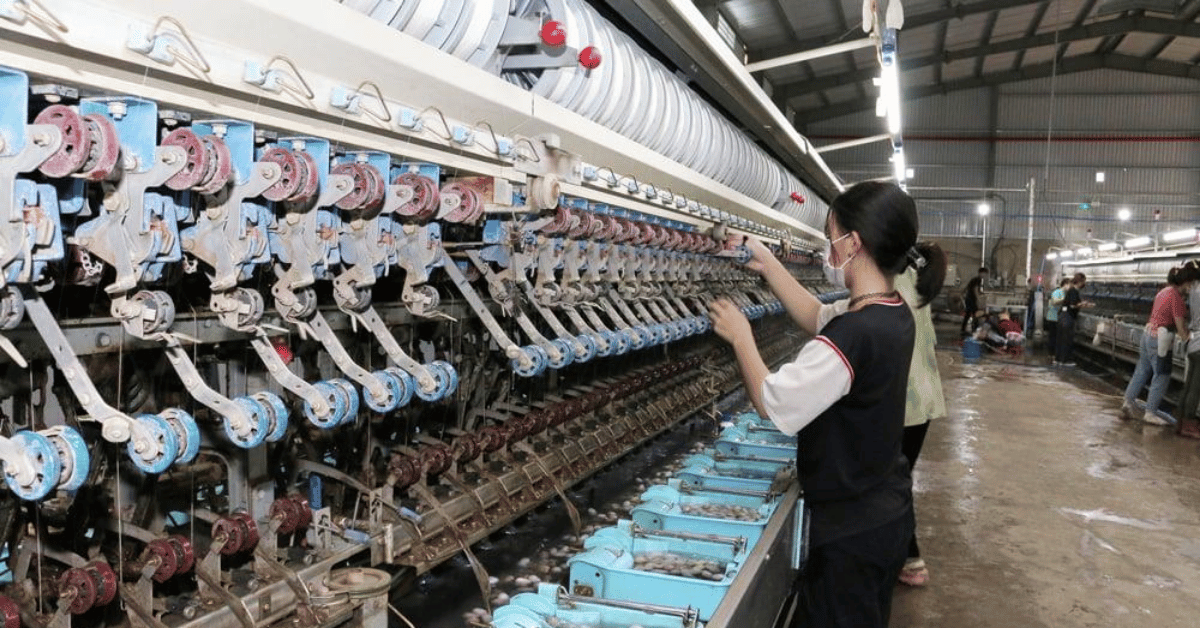
Today, Vietnam’s sericulture industry is undergoing significant changes. Production techniques have improved, higher-yield mulberry varieties are being introduced, and silkworm breeds are being carefully selected to suit local conditions and produce better-quality cocoons.
Several specialized sericulture areas have also developed. Among them, Lam Dong, particularly Bao Loc and surrounding areas, is known as one of Vietnam’s important silk-producing centers. The region’s climate and soil conditions are well suited to growing mulberry trees, raising silkworms, and developing a complete silk production chain. Vietnamese silk is also exported to various international markets, including South Korea, Europe, and the United States.
Beyond traditional silk production, new models are also being explored. For example, some projects are studying the use of cassava leaves to feed silkworms for meat production, targeting markets such as Japan. These developments show that Vietnamese sericulture is finding new ways to adapt to changing market demands.
The value of sericulture in Vietnam
After thousands of years of development, sericulture continues to play an important role in the economic and cultural life of many Vietnamese communities.
Economically, the silk industry provides employment for people in rural areas, from growing mulberry trees and raising silkworms to reeling silk, weaving fabric, and selling finished products. For many families, it remains an important source of income, particularly for rural women and communities in major sericulture-producing areas.
Culturally, sericulture preserves many traditional skills that have been passed down from one generation to the next. Knowledge of growing mulberry trees, caring for silkworms, harvesting cocoons, and reeling silk is closely connected to the experience of generations of artisans and farmers. More importantly, sericulture has helped create traditional craft villages and unique products that reflect the identity of each region.
As silk products are developed into fashion items, gifts, and tourism products, these traditional values have more opportunities to reach younger generations and modern consumers.
The future of sericulture in Vietnam
The future of Vietnamese sericulture comes with both opportunities and challenges.
On the positive side, the growing demand for natural and environmentally friendly products, together with a renewed interest in traditional values, creates promising opportunities for the silk industry. Demand for handcrafted silk products and locally rooted brands is also growing.
However, the industry still faces significant challenges. Like the global silk industry, Vietnam is dealing with an aging workforce and a lack of younger people willing to take over traditional occupations. One major reason is that the income from sericulture does not always match the amount of work and investment required.
There is a Vietnamese saying: “Raising pigs means eating while sitting; raising silkworms means eating while standing.” The saying reflects just how demanding sericulture can be. Raising silkworms requires constant attention, hard work, patience, and careful care throughout the day.
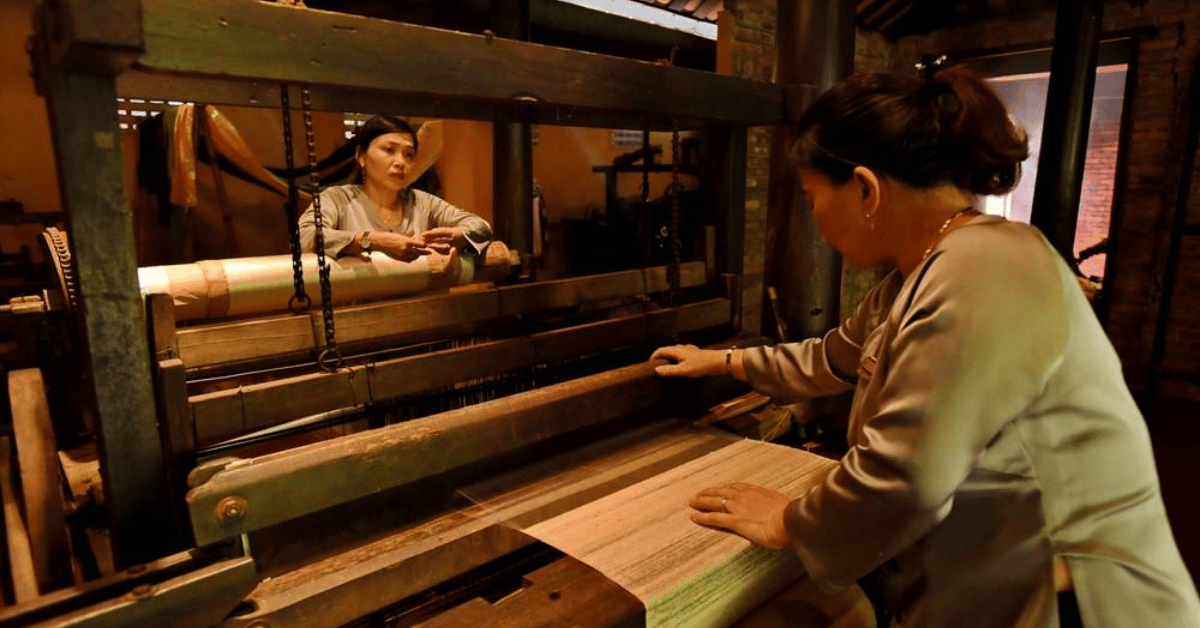
For sericulture to continue growing, a more comprehensive approach is needed. This includes applying technology to silk reeling and weaving, investing in new silkworm and mulberry varieties, building stronger brands, expanding markets, and developing craft-village tourism. With the right direction and investment, Vietnamese silk can earn a stronger and more respected position on the global silk map.


As the sericulture industry looks for new directions, MsKÉN is a fashion and accessories brand specializing in silk products. Its products are made from high-quality silk, handwoven by Vietnamese artisans. The brand aims to preserve and promote the traditional values of the sericulture industry while bringing silk products closer to modern customers. In this way, MsKÉN helps create more market opportunities for silk products and supports the livelihoods of local artisans.
Conclusion
The journey of sericulture in Vietnam is an inspiring story of history, culture, and human perseverance. From the first mulberry trees, tiny silkworms have produced precious silk threads that connect the past with the present and open up new possibilities for the future.
Preserving and developing this traditional craft is a shared responsibility, so that Vietnamese silk products can continue to carry the spirit and unique cultural values of the nation. As a Vietnamese brand focused on fashion, beauty, and lifestyle products made from silk, MsKÉN aims to contribute to this journey by bringing traditional Vietnamese silk closer to modern life.