Every field has its own terminology and expressions for professional communication, and fashion is no exception. Understanding fashion terminology is the fundamental foundation for stepping into this multi-billion dollar industry. This article will compile and introduce essential basic fashion terms you need to know.
What is fashion terminology?
This refers to a system of words or phrases used by people working in the industry and fashion enthusiasts to describe aspects of a style, trend, or outfit design. It is considered the fashion industry’s own language, enabling clear and comprehensible communication and work within the field.
The terminology system is diverse and divided into multiple groups based on silhouette, fabric, trends, and clothing. Understanding these terms will make it easier to navigate the world of fashion and gain a deeper understanding of aesthetic sensibilities and how this industry operates.
Basic and common fashion terms
These are widely used terms that frequently appear in fashion articles and magazines.
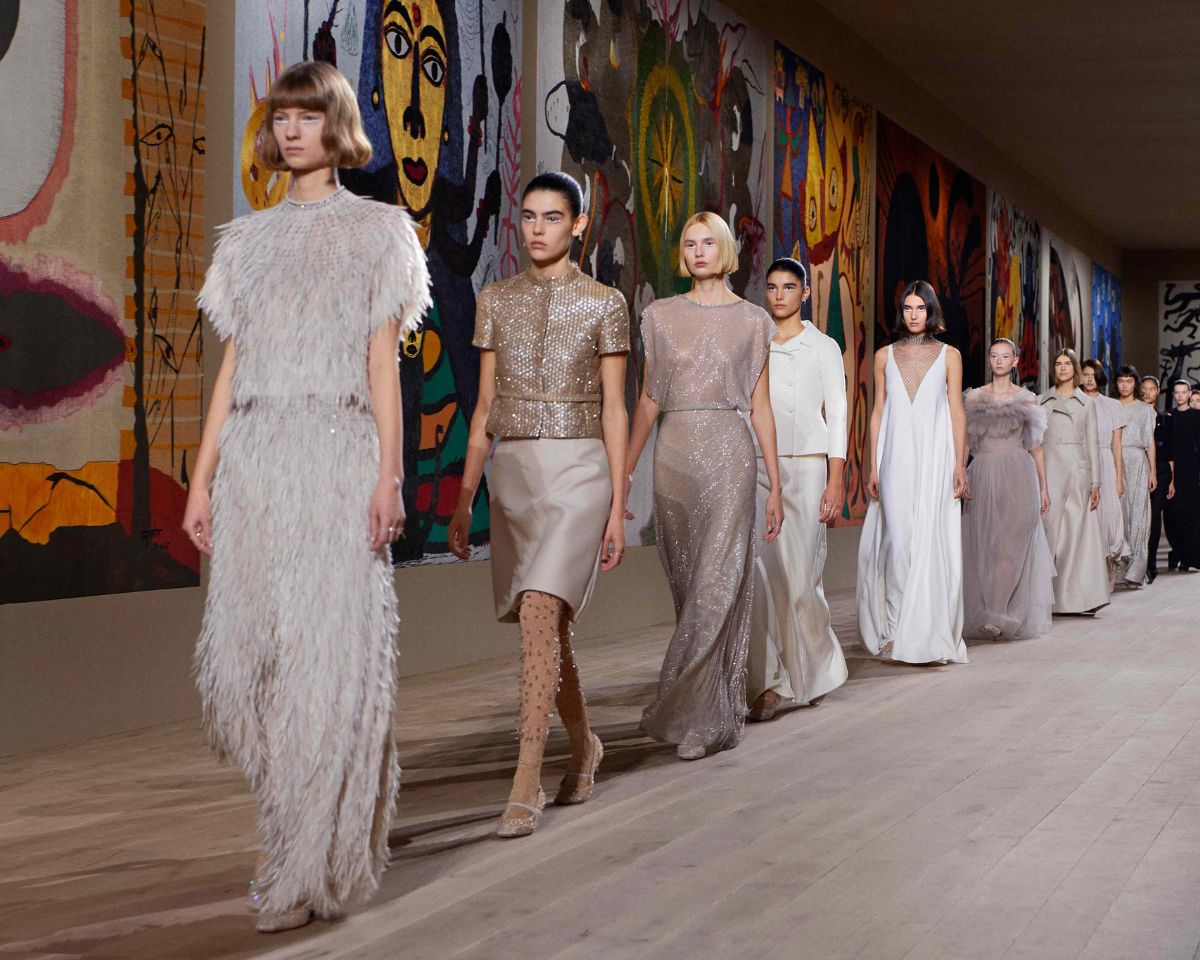
1. Haute Couture:
A term referring to a specific segment of the fashion industry. The phrase can be understood in English as “high-end bespoke fashion” — “haute” meaning “high-end” and “couture” meaning “dressmaking.”
Unlike “high fashion,” Haute Couture has its own set of standards established by the Fédération Française de la Couture (the French Federation of Couture). A “high fashion” brand is not necessarily qualified to be considered Haute Couture.
2. Ready-to-wear:
A professional term originating from French, referring to garments that are mass-produced in standard sizes and are not designed or tailored for individual clients. Today, the term is widely used in prestigious fashion magazines around the world.
3. Chic:
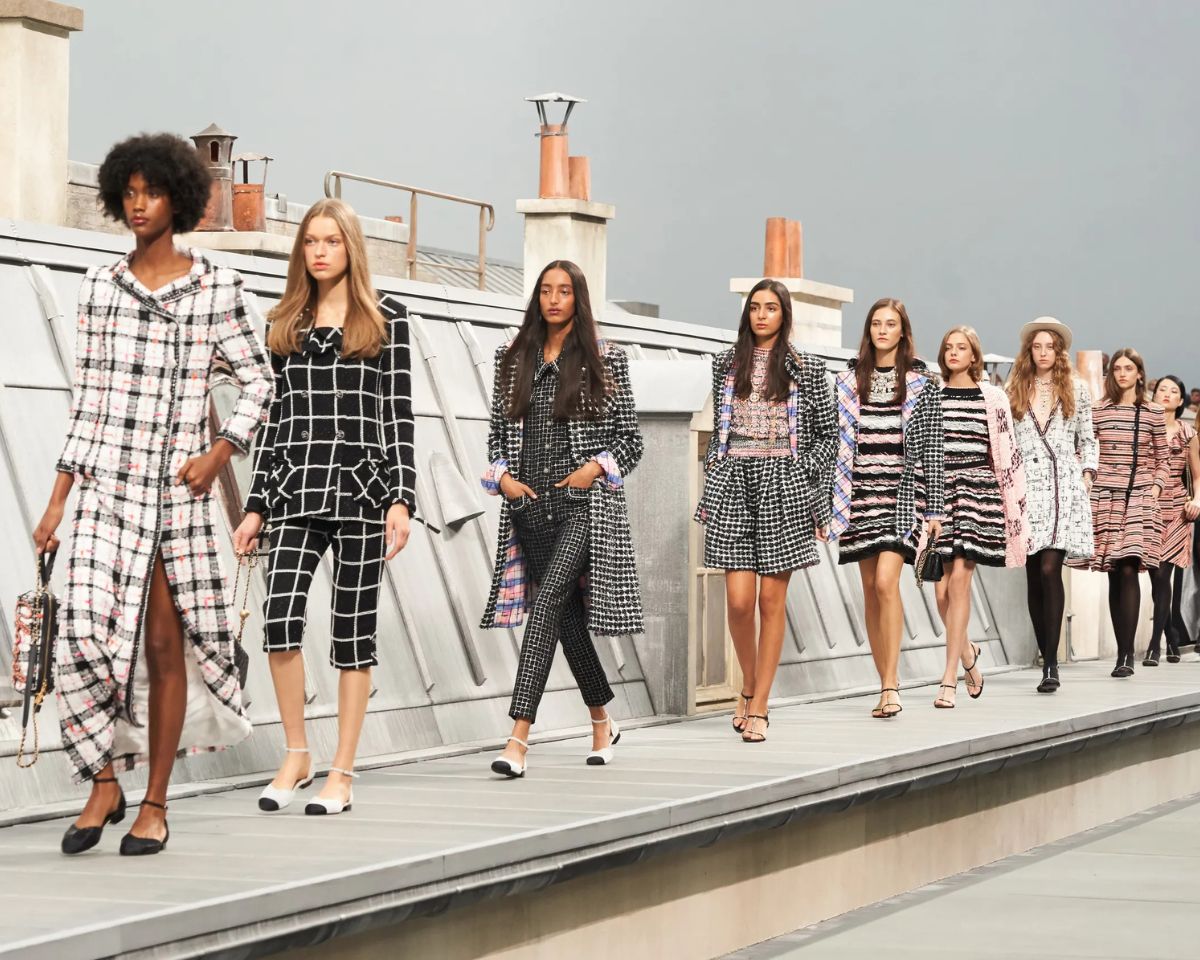
Originating from French, “chic” is a term describing a way of dressing, demeanor, and lifestyle that is “elegant and intelligent” — stylish without being ostentatious. A person considered “chic” is defined not only by their outfit but also by their presence and manner. They are typically self-assured, self-aware, and knowledgeable about their personal style and the pieces they wear.
4. Look:
This term refers to the overall appearance of an outfit as worn, including accessories and makeup style.
5. Atelier:
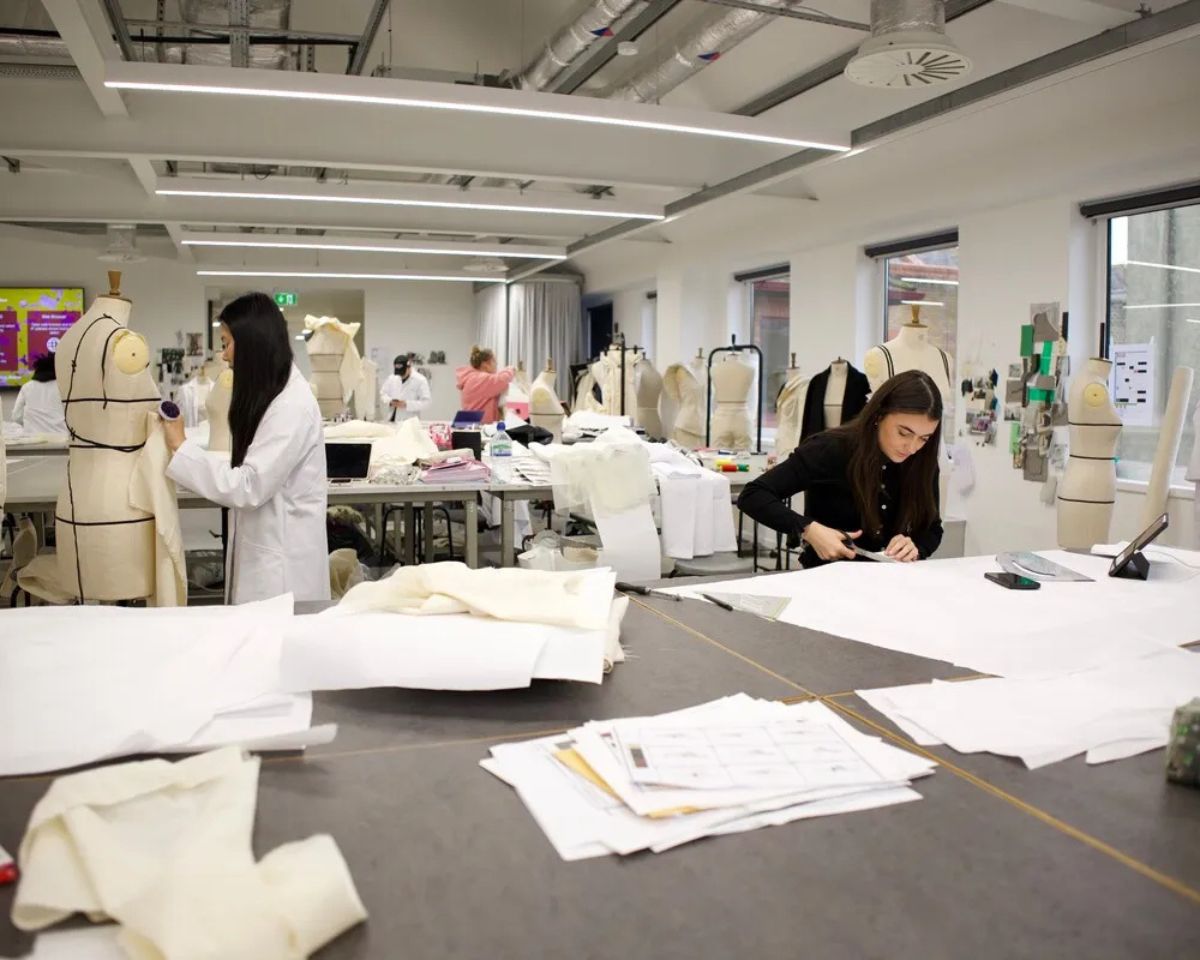
In the world of high fashion (Haute Couture), “Atelier de couture” refers to a design studio or workroom. Unlike a mass production factory, an atelier is a space where skilled artisans and tailors carry out meticulous handcraft work.
6. Cruise:
Also known as “Resort,” this term refers to fashion collections released before the summer season, launched between the Autumn-Winter and Spring-Summer collections. These collections are designed specifically for summer vacation settings. Today, Cruise collections have become one of the highest-grossing seasons for luxury fashion houses.
7. Silhouette:
A term used to describe the shape and form of an individual design, as well as the signature form and structure that defines a particular brand.
Fashion trend terminology
8. Fad:
A term describing a momentary trend that rises extremely quickly but also fades just as fast within a short period of time. Unlike a trend, a fad refers to items or styles with a much shorter lifespan — typically lasting only a few weeks to one or two months before dying out.
9. Capsule wardrobe:
Also known as a “capsule collection,” this refers to a curated collection of the most essential, timeless wardrobe pieces that can be mixed and matched to create a variety of outfits.
10. Eco-friendly:
One of the most significant fashion trends of the past decade. The term refers to fashion items that are environmentally friendly, prioritizing materials that are easy to recycle and biodegrade.
11. Vegan fashion:
Also known as “plant-based fashion,” this term refers to fashion items that aim to completely eliminate products made from animal-derived materials such as leather, fur, and horn. The vegan fashion industry focuses on products of natural origin that are environmentally friendly. This is not just a fashion trend but also a powerful statement about animal welfare and environmental consciousness.
12. Sustainable fashion:
Known as “thời trang bền vững” in Vietnamese, this is a trend in the apparel industry aimed at minimizing negative environmental impact. Fashion is considered sustainable when it meets three criteria: environmental sustainability, social sustainability, and economic sustainability.
13. Fast fashion:
The opposite of sustainable fashion, “fast fashion” refers to business models that produce and consume clothing rapidly and in line with the latest trends. The fast fashion industry offers convenience but also brings significant environmental consequences, including water waste and pollution.
Silhouette and clothing terminology
14. Slim fit:
A term describing garments with a close-fitting silhouette that follows and accentuates the wearer’s body shape.
15. Classic fit:
A widely used fashion term describing garments with a moderate cut — not too tight and not too loose — that are easy to style and suit most body types.
16. Tailored fit:
This term refers to garments cut to closely follow the contours of the wearer’s body. This style is commonly used in suits, dress shirts, and other formal workwear.
17. A-line:
A term most commonly used to describe dresses designed to fit close at the top and gradually flare outward toward the hem. A-line dresses typically fall at or below the knee and come in a variety of fabrics, flattering the body’s natural lines while remaining comfortable.
18. Oversize:
A term you’ve likely come across before. Oversize refers to garments intentionally designed larger than standard sizing, creating a loose, relaxed silhouette with ease of movement.