Fashion style is the way a person selects and combines clothing to create a distinct identity, while expressing their personality and preferences.
However, not everyone clearly understands different fashion styles or has an innate sense of aesthetics from the beginning. That’s why understanding the fundamentals can help you define your personal style more clearly and choose what truly suits you.
1. Classic Style
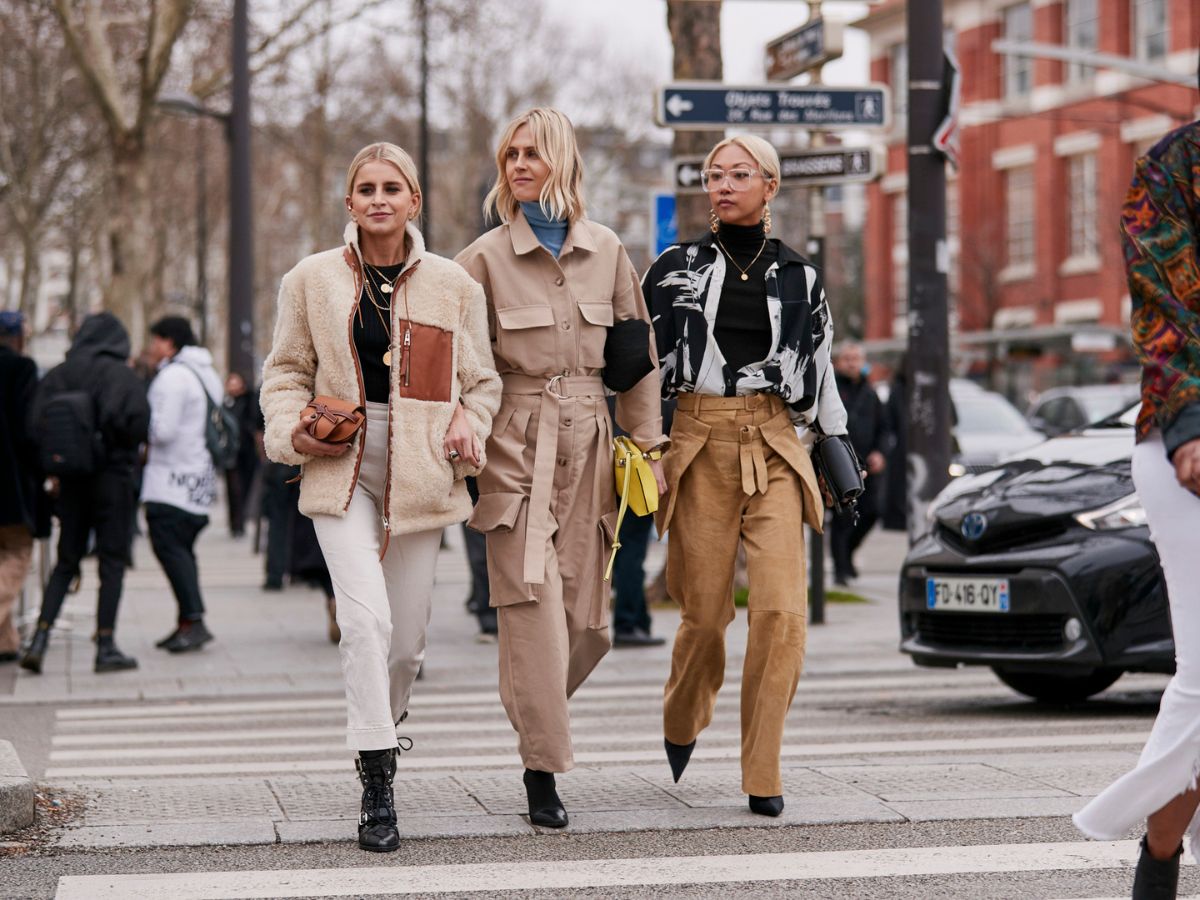
Originating from France, a country closely associated with romance, classic style (also known as Parisian style) is often seen as the image of a feminine, composed woman who maintains elegance and refinement.
When talking about Parisian style, it is hard not to mention Coco Chanel, who played a key role in shaping its identity. Her legacy, together with Chanel, established a style that is minimal yet sharp enough to become a standard of elegance.
Classic style is not limited by age and offers a distinct sense of sophistication. Its color palette typically includes black, white, burgundy, and cobalt blue. Designs focus on clean cuts and well-fitted silhouettes that enhance the body’s lines in a subtle, non-showy way.
2. Minimalism
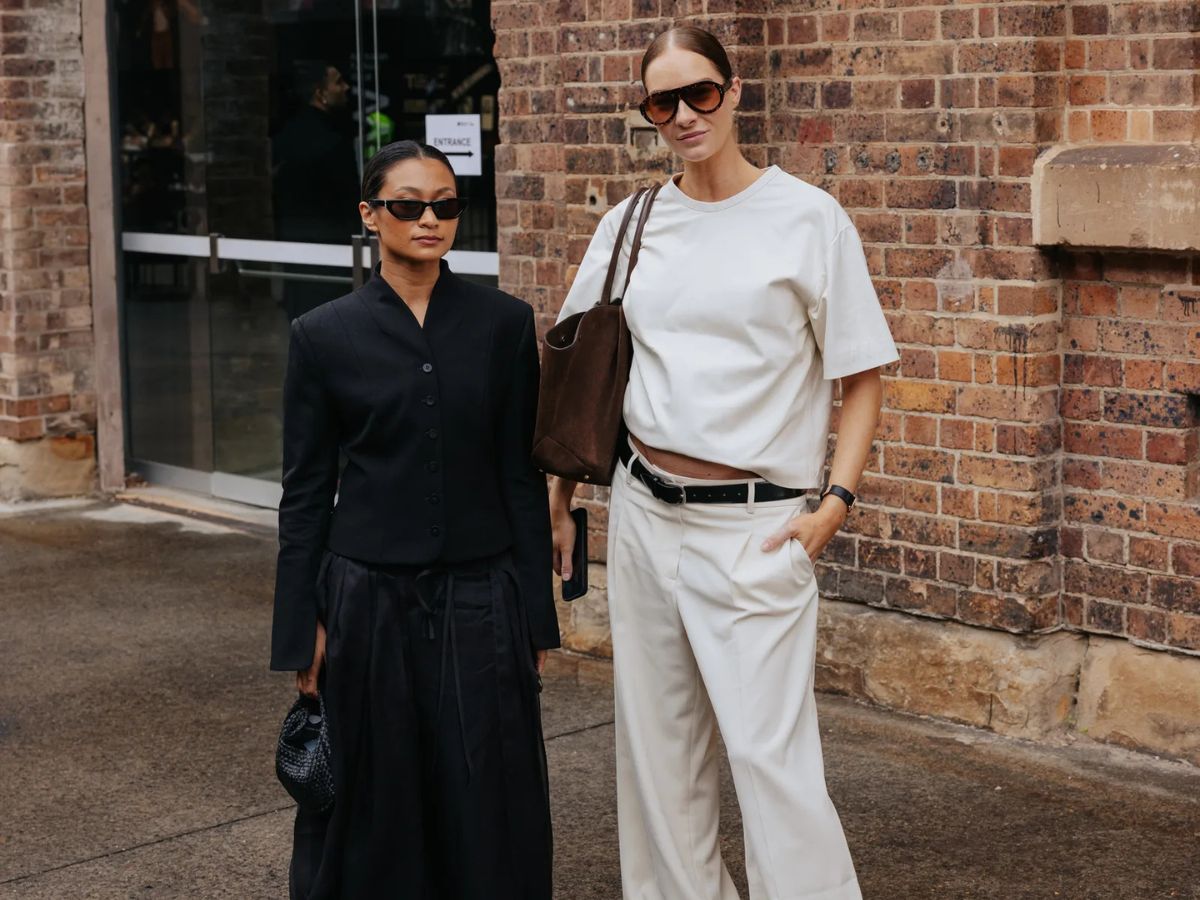
Minimalism is often associated with the lifestyle of Japan. It draws inspiration from this culture, with some influence from the art of Origami.
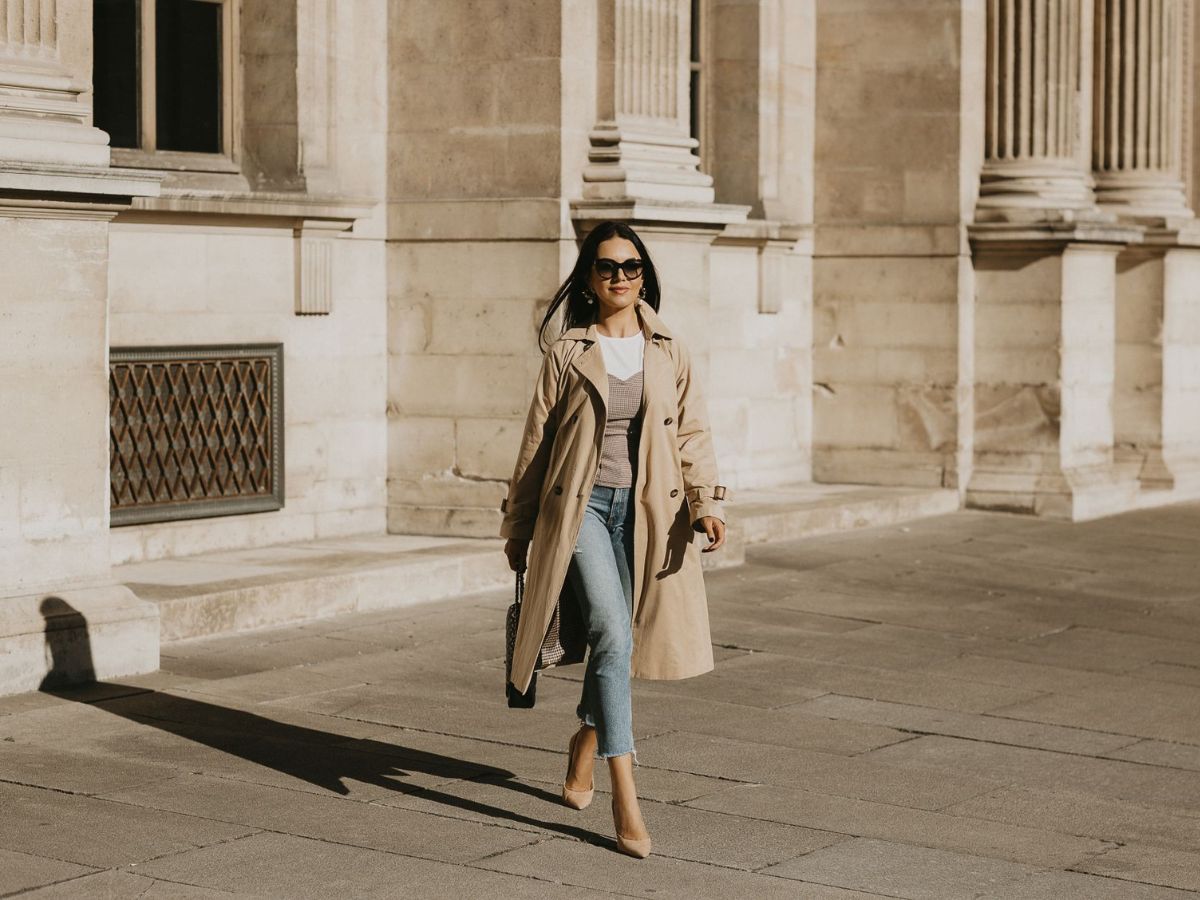
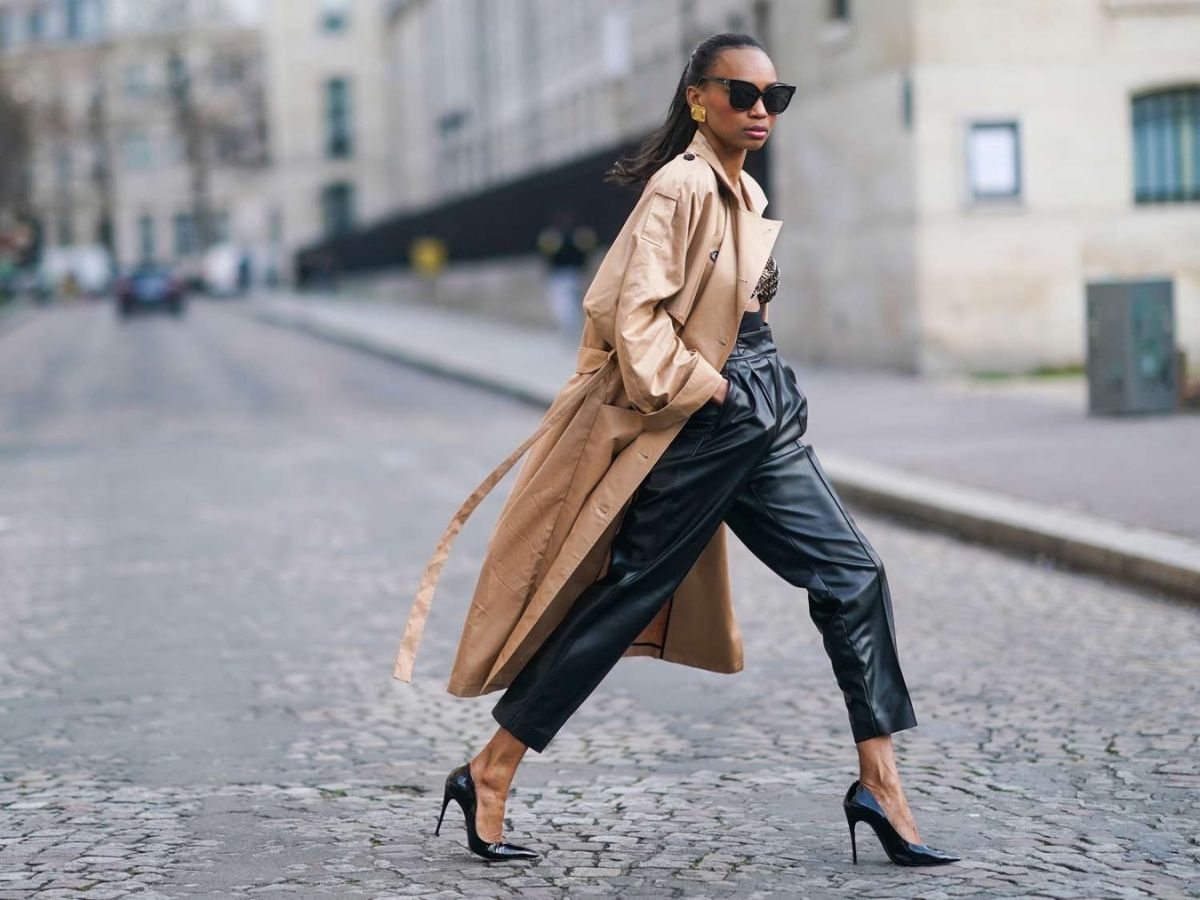
In this style, clothing is reduced to the essentials: simple silhouettes, minimal details, and a restrained color palette to keep everything clean and clear.
Colors are mostly basic tones with little variation. Fabrics are chosen for their ability to hold structure, such as wool, tweed, or taffeta.
If you prefer simplicity and clarity while maintaining elegance and neatness, Minimalism is a suitable choice.
3. Hippie Style
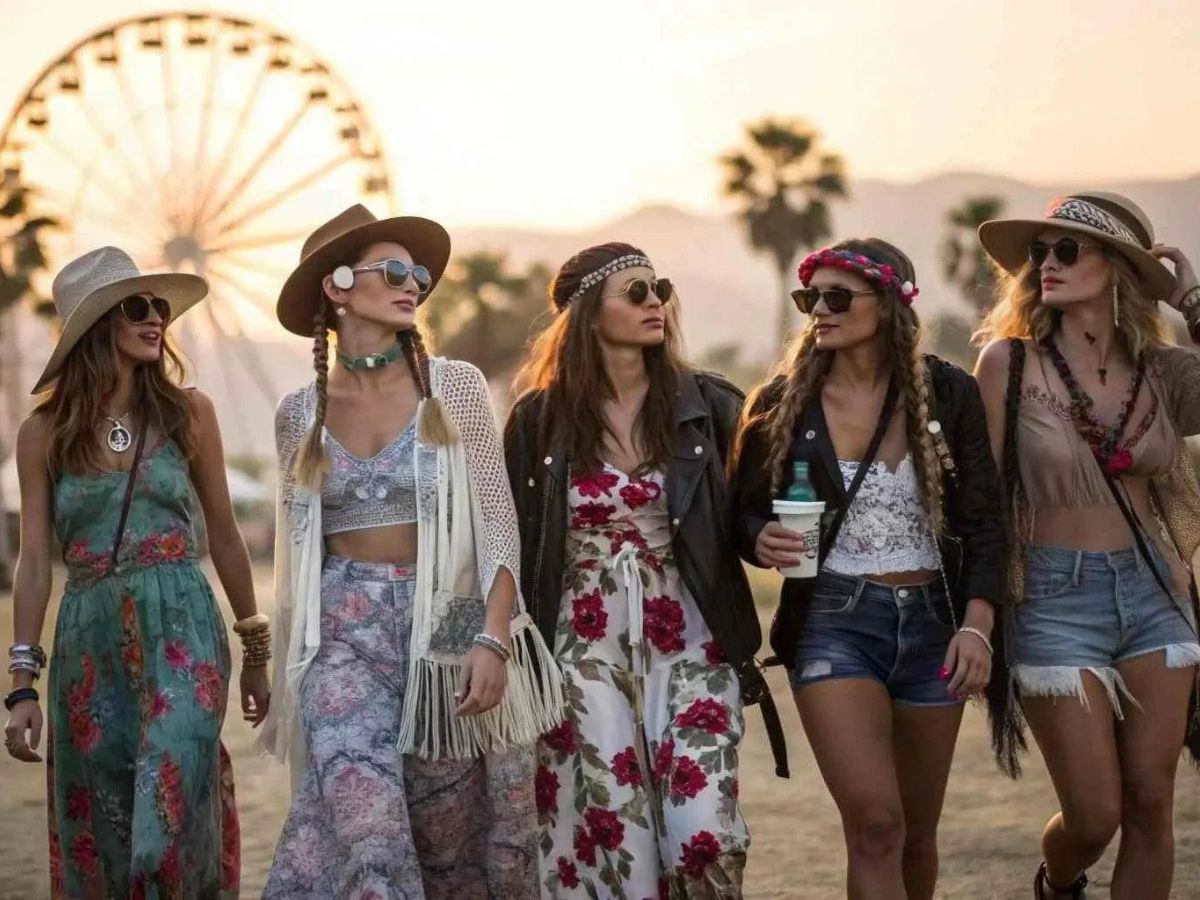
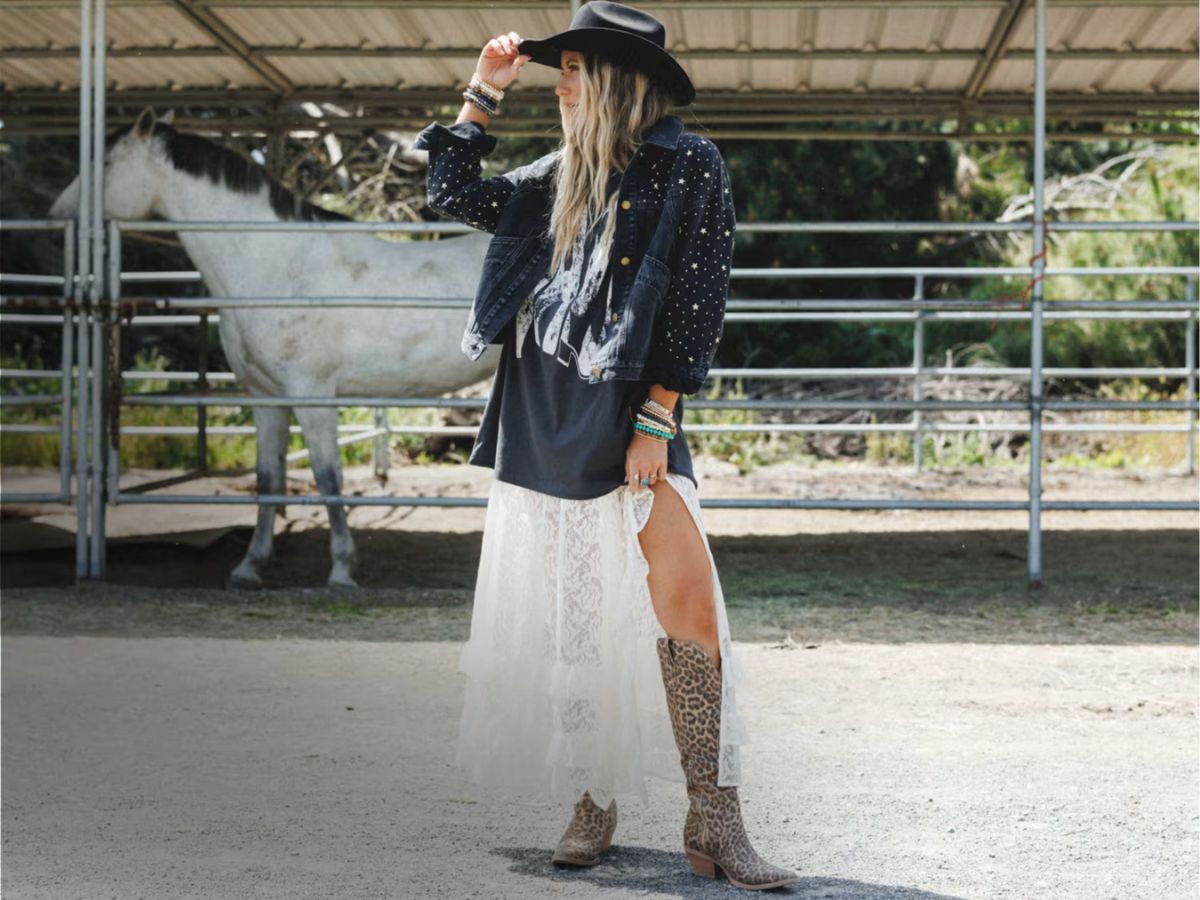
As the name suggests, this style represents freedom, openness, and a lack of strict rules. If you are drawn to it, you likely appreciate individuality, don’t mind standing out, and have a strong personal identity.
Hippie style is not easy to wear and can be selective in terms of body type. It features layered designs, pleats, and combinations based more on feeling than formula. Accessories like earrings, necklaces, headbands, hats, and bracelets are commonly used. The overall look may seem spontaneous but still maintains a certain balance.
Emerging in the 1960s in United States, Hippie style reflects freedom and an open mindset. It suits those who want to express themselves without following fixed standards.
4. Bohemian (Boho) Style
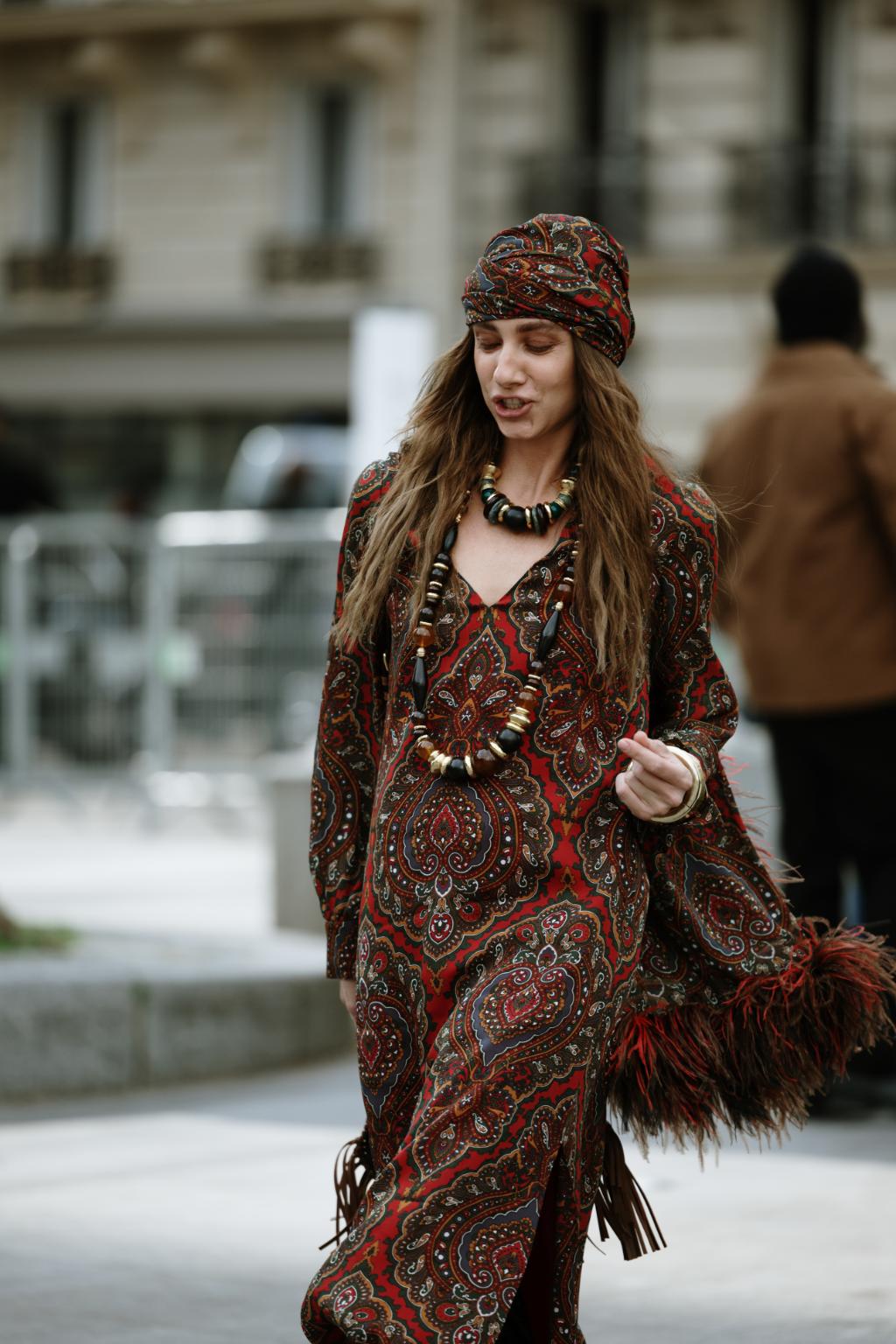
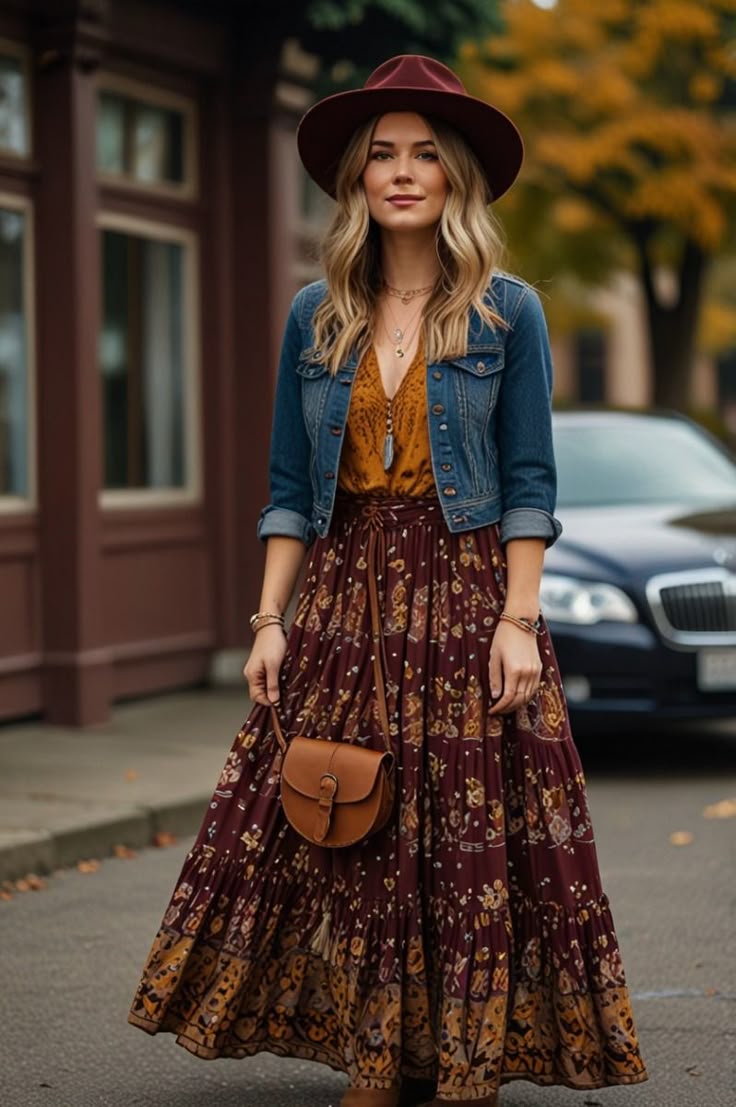
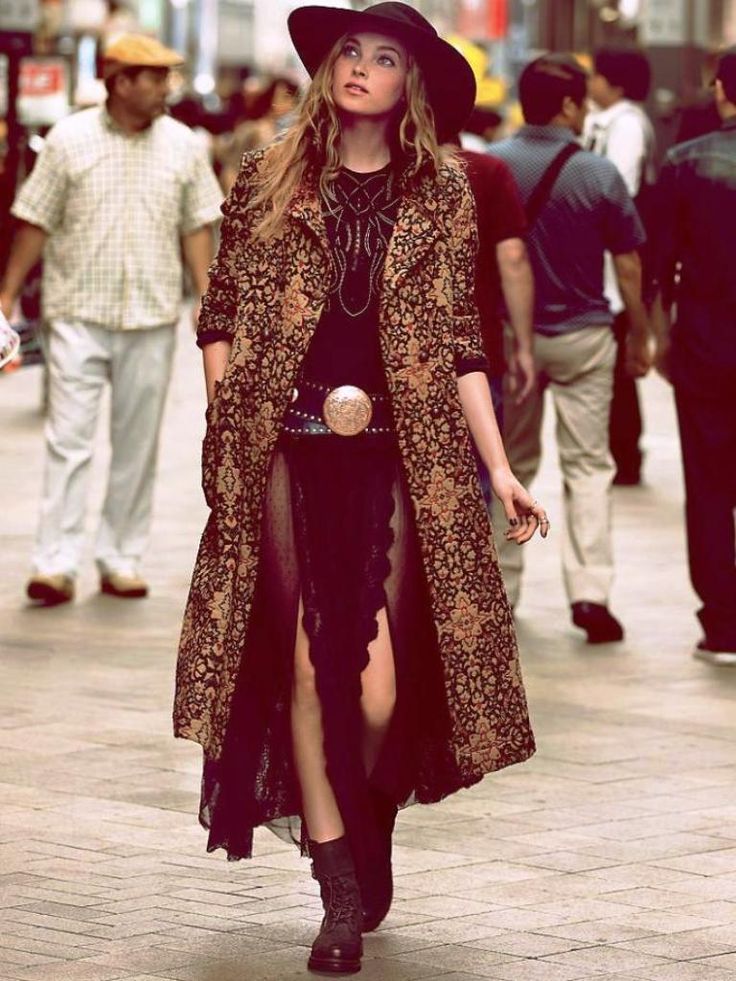
Bohemian style is often confused with Hippie due to similarities in colors and flowing silhouettes. However, they are different. While Hippie leans toward freedom and rebellion, Bohemian is softer, more feminine, and more restrained.
Bohemian outfits typically include long, flowing dresses with pleats or layered structures, often reaching the ankles. Fabrics and patterns create a light, fluid effect. Accessories such as necklaces, bracelets, and headbands are usually handcrafted and simple.
With these outfits, you can braid your hair and pair it with a mulberry silk scarf in a similar pattern to create a feminine look while maintaining a personal touch.
5. Sporty Style
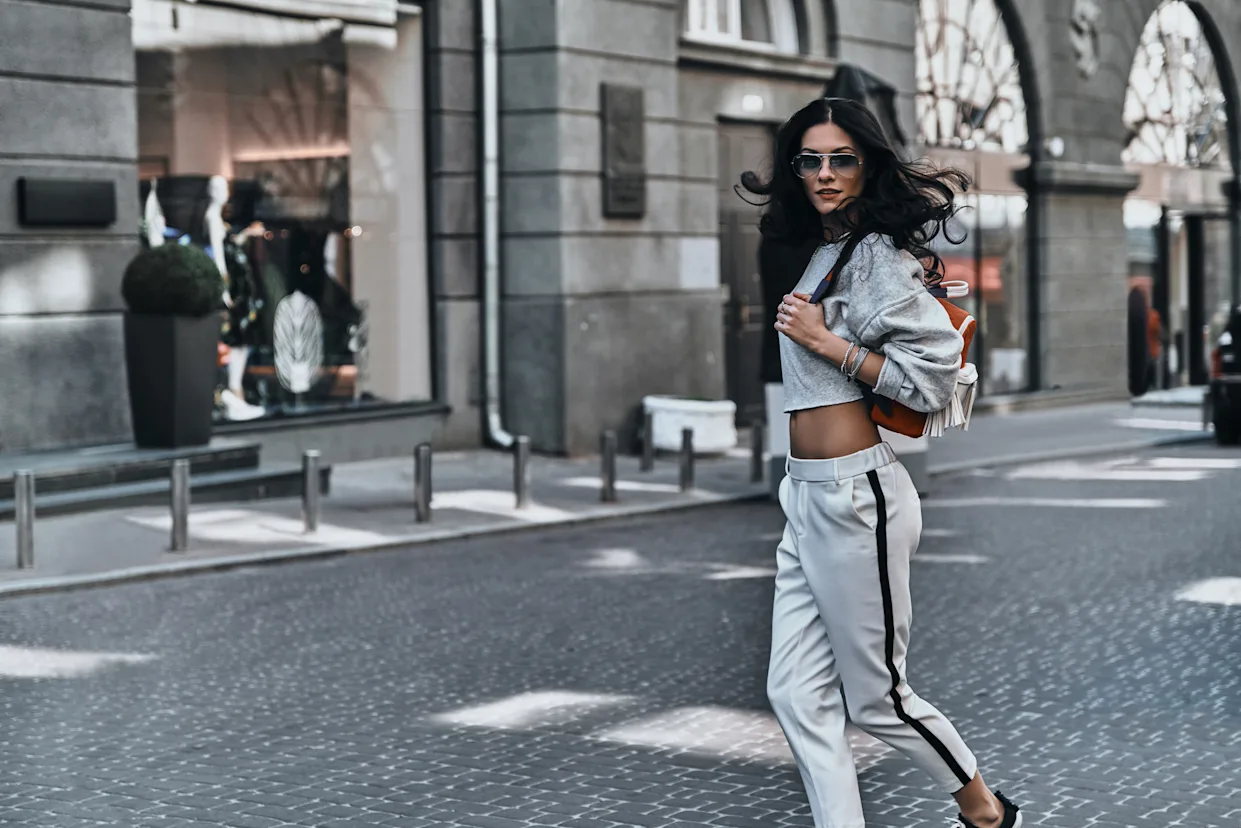
Sporty style uses athletic-inspired clothing combined with other items to create a look that feels comfortable, breathable, youthful, and active. One of its strengths is that it is easy to wear, easy to mix, and suitable for many situations. Regardless of gender or whether you play sports, anyone who prefers an active look can adopt this style.
You can freely mix sporty items with other styles without being restricted to a fixed outfit.
Recently, Sporty style has become more popular and is often seen on figures like Châu Bùi, Quỳnh Anh Shyn, Jennie Kim, and Lisa (Lalisa Manobal).
Common items include baseball caps, sports tops, and straight-leg track pants—practical and easy to combine.
6. Preppy Style
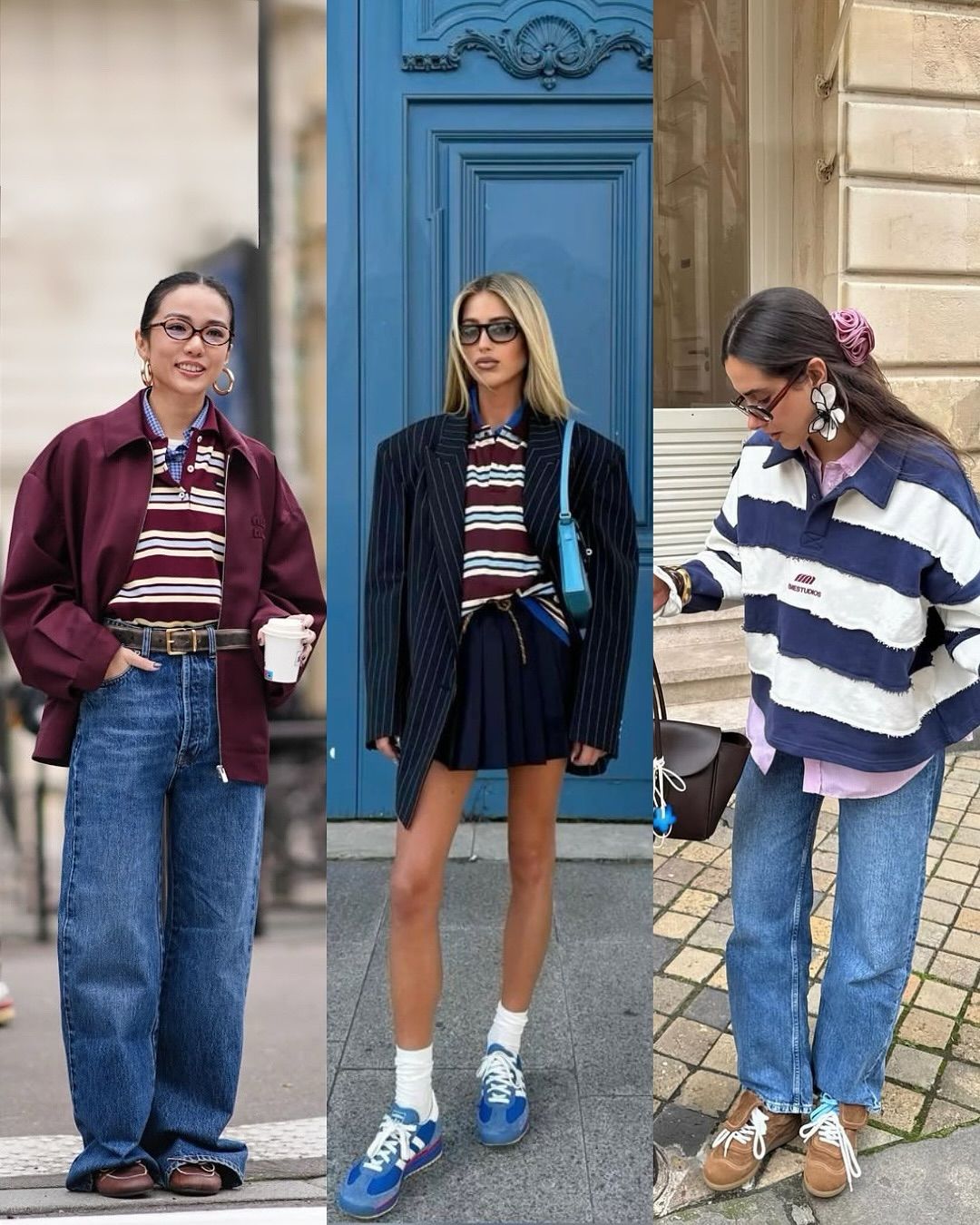
Preppy style is youthful and polished, with strong influences from academic environments. The term originated in the early 20th century in the United States, referring to the dress style of students in preparatory schools. “Preppy” comes from “Preparatory school,” often associated with privileged backgrounds before university.
This style is defined by neatness, structure, and controlled elegance.
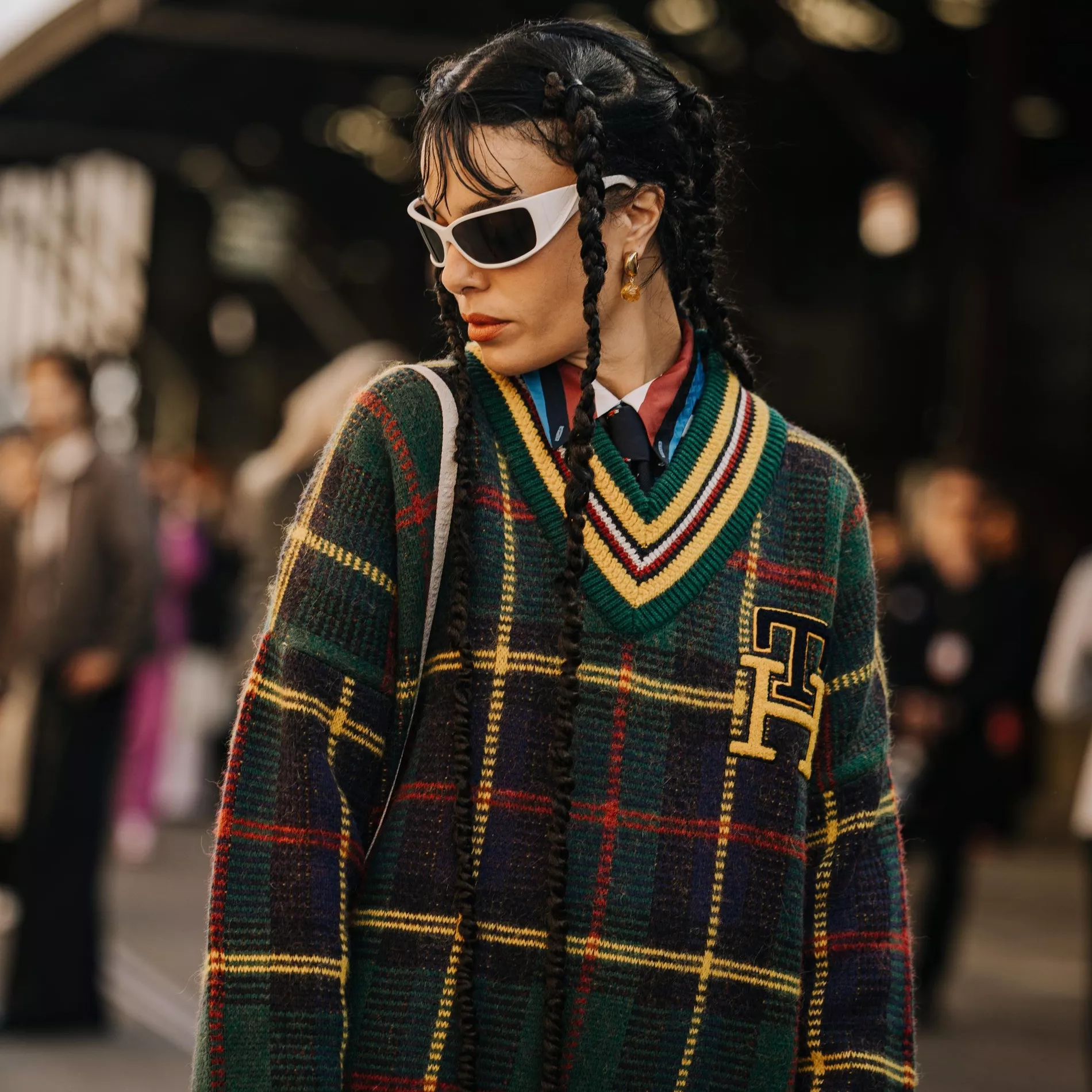
Typical items include plaid skirts, polo shirts, button-down shirts, bow blouses, sweaters, blazers, varsity jackets, and chinos. Accessories such as Oxford shoes, loafers, boots, watches, striped ties, knee-high socks, mulberry silk scarves, or sunglasses complete the look.
Well-known brands associated with this style include Tommy Hilfiger, Ralph Lauren, and Paul Smith.
For a clearer reference, you can look at Gossip Girl. The preppy style is strongly reflected in the characters’ school outfits.
7. Normcore Style
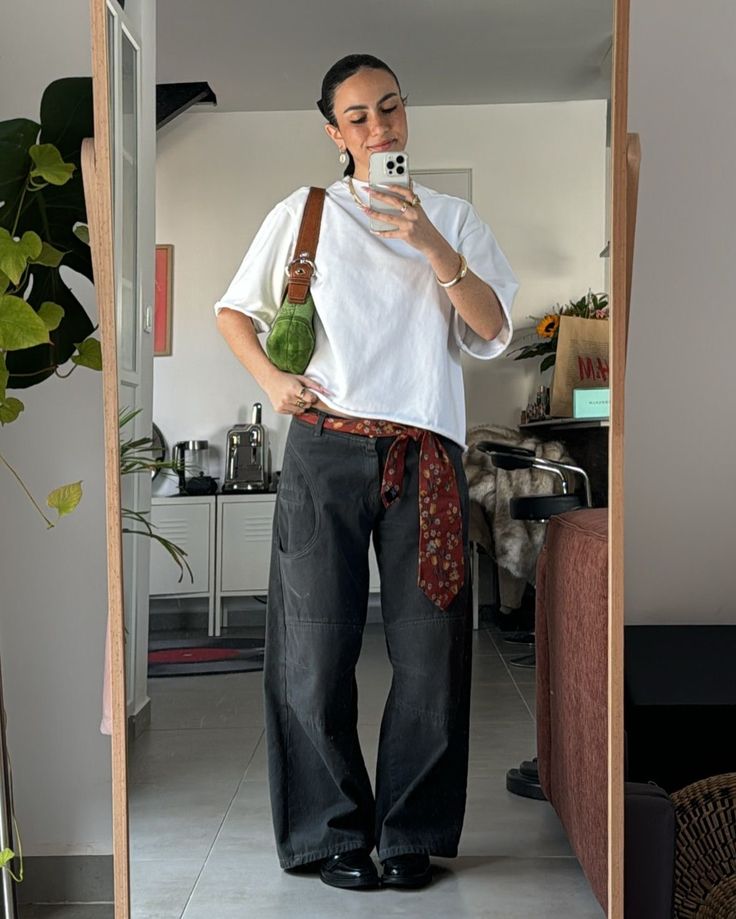
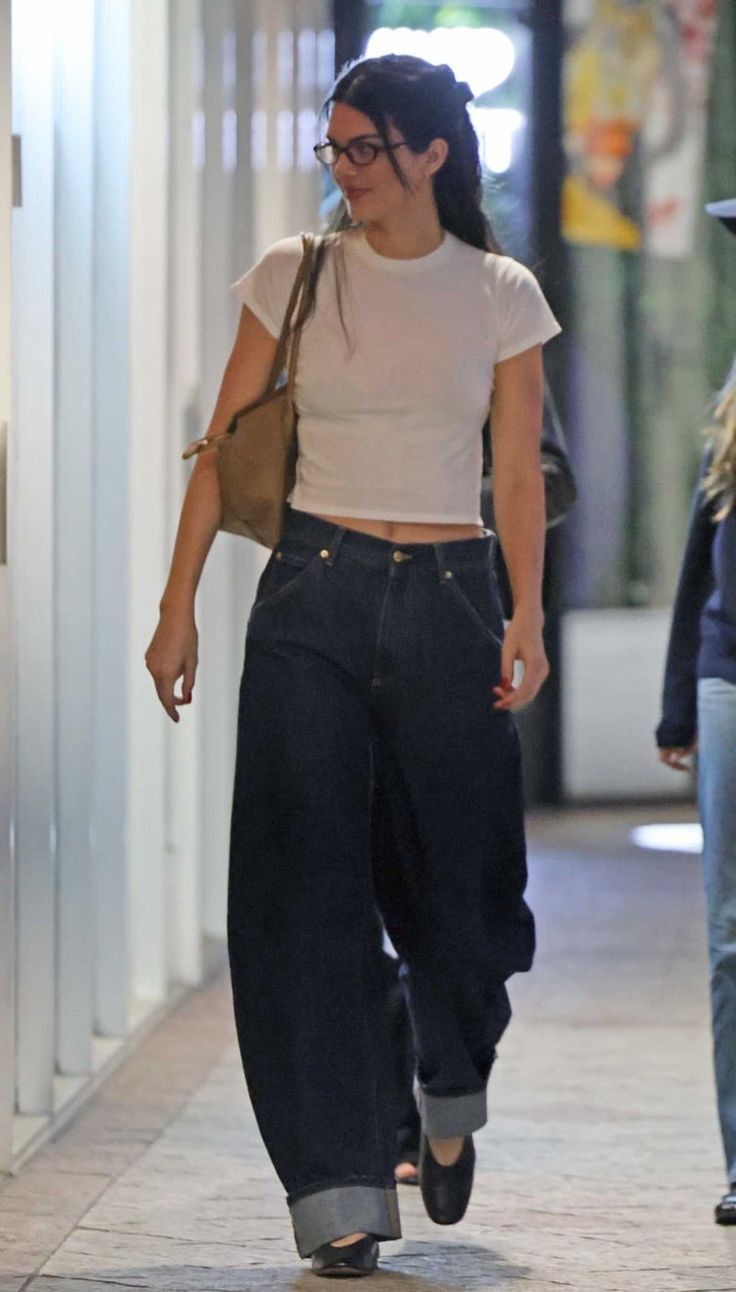
Normcore focuses on simplicity, avoiding attention and trends. Outfits may look very ordinary, even slightly plain, but still create a distinct identity when kept neat and intentional. The emphasis is on flexibility, comfort, and practicality in daily wear.
The term combines “normal” and “core,” referring to a basic way of dressing that still expresses individuality through consistency and conscious choices.
This style is favored by figures such as Steve Jobs, Mark Zuckerberg, and Keanu Reeves.
Common items include T-shirts, blazers, jackets, jeans, shorts, khaki pants, sneakers, and sandals, basic pieces that are easy to wear and combine.
8. Vintage Style
Vintage style refers to clothing inspired by past decades, featuring refined designs with clear aesthetic value. The term “Vintage” originally came from wine production, then expanded into fields like automobiles, interiors, and graphic design before becoming widely used in fashion.
Today, Vintage clothing appears across runways, magazines, and everyday street style.
Typical items by decade include:
- 1910s: trench coats and boots
- 1920s: slip dresses with beading
- 1930s: fur-collar coats and wide-brim hats
- 1940s: overalls, tapered pants, pastel sweaters
- 1950s: flared skirts, midi dresses, leather jackets
- 1960s: patterned shirts and flared pants
- 1970s: neutral tones and denim
- 1980s: neon colors, shoulder pads, leggings
These are some of the most common fashion styles, summarized in a clear and concise way. Hopefully, this gives you a better foundation to define your personal style and choose outfits that suit you.