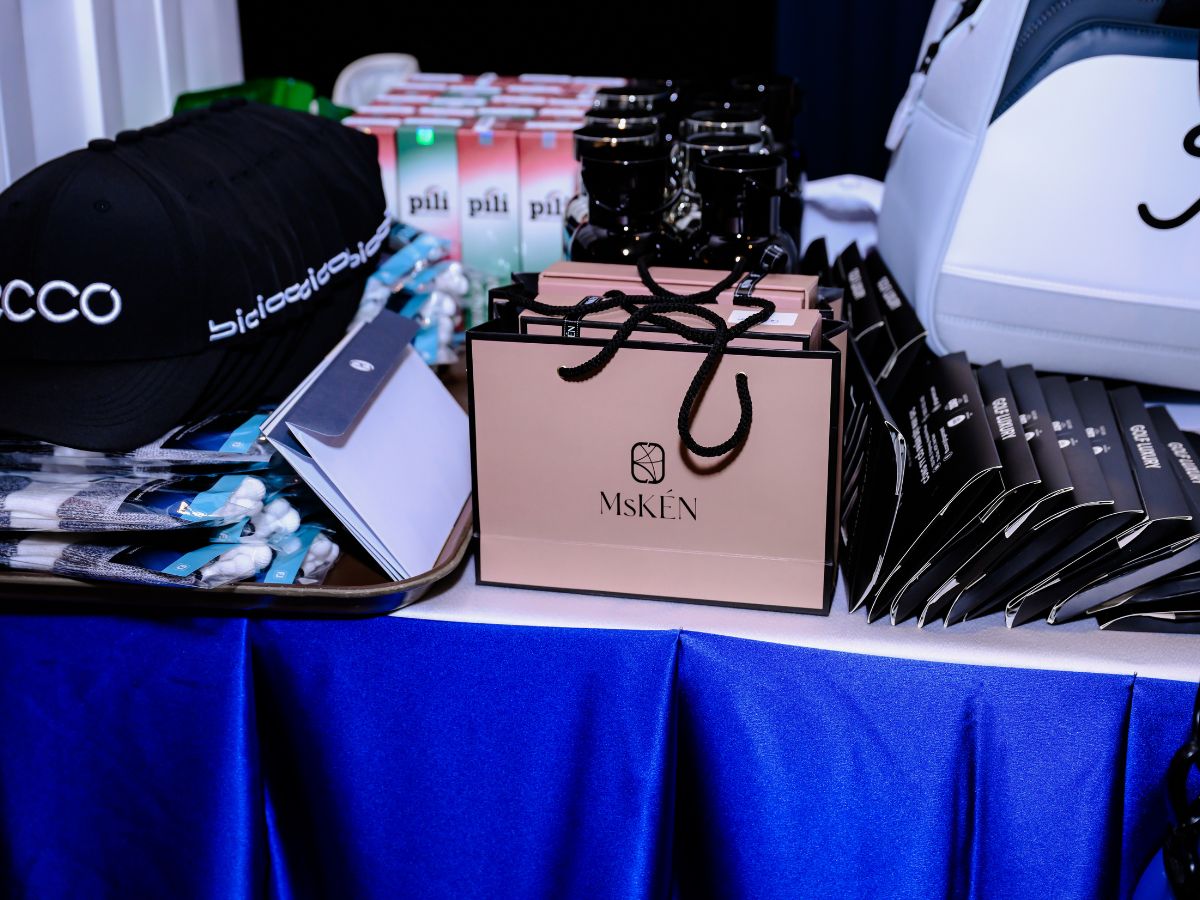
Why Buy Silk Scarves from a Specialist Store Instead of a Market or Online?
Over the past few years, silk scarves have moved well beyond souvenir shop territory in Vietnam. Driven by growing interest in sustainable fashion and improvements in production quality, genuine silk accessories are attracting a new generation of buyers, both local and international. But that rising demand has also created a more crowded market, and not everything sold as “silk” is what it claims to be.

Blended silk fabric woven from a mix of silk and synthetic fibers like polyester or viscose is legitimate and widely used. It typically reduces shrinkage and extends durability. A common blend sits around 50% silk and 50% synthetic. The problem is that many sellers exploit the ambiguity, marketing heavily blended or entirely synthetic products as 100% silk at full silk prices. For buyers who don’t know what to look for, the difference is nearly impossible to spot at first glance.
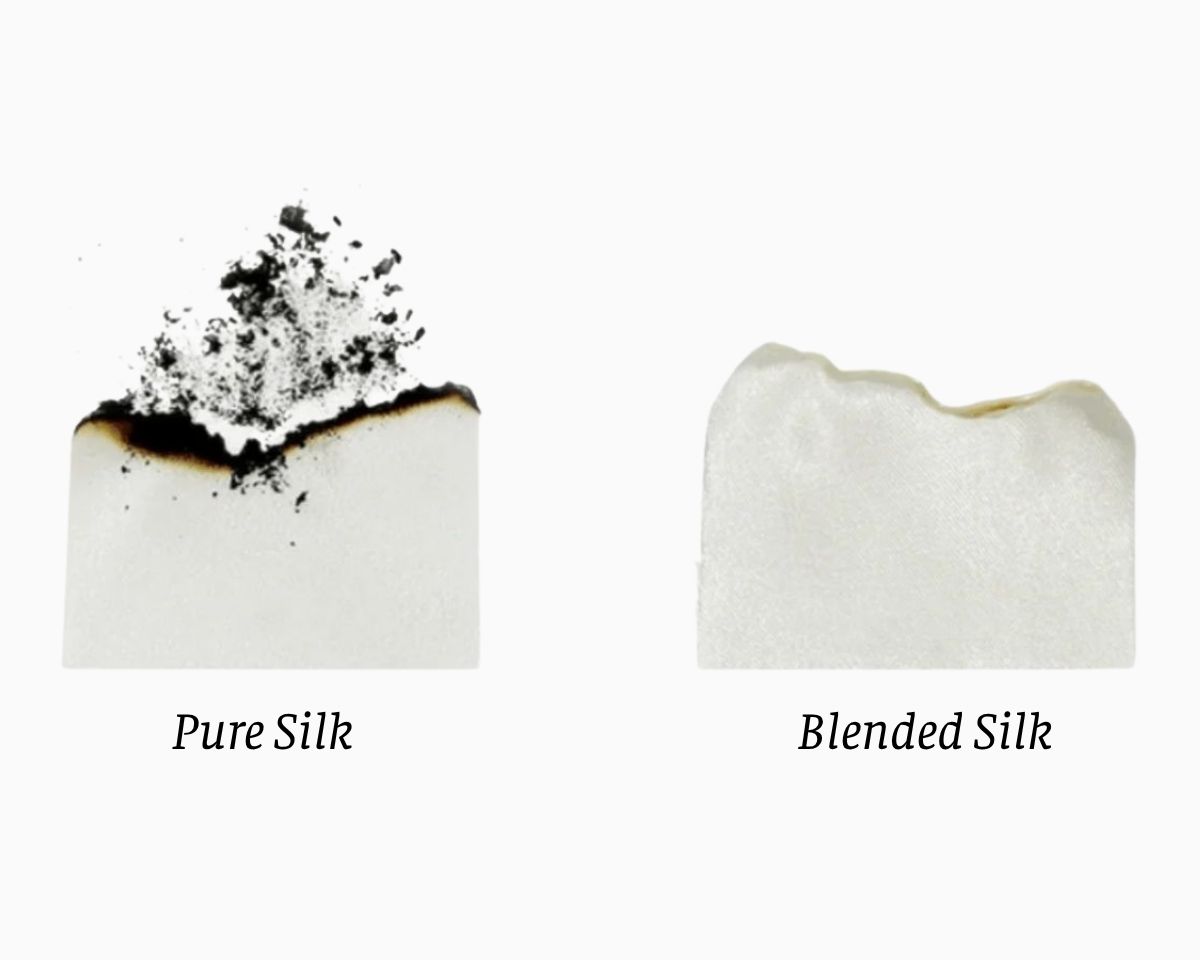
This is where specialist stores genuinely earn their place. The biggest advantage of buying in person from a dedicated silk retailer is the ability to inspect and, in many cases, test the product before you commit. Reputable silk shops in Ho Chi Minh City will often let you burn a small thread on the spot: real silk smells like burning hair, burns slowly, and leaves a crumbly ash. A market stall or online shop simply can’t offer that.
Ho Chi Minh City has no shortage of places to buy scarves, from the stalls of Ben Thanh Market to the storefronts across major e-commerce platforms. But the number of stores genuinely specializing in authentic silk with traceable materials, a real brand identity, and verified customer reviews is much smaller. To put this list together, we used three criteria: traceable material sourcing, a clearly defined brand with a genuine story behind it, and honest feedback from real customers. Here’s what we found.
What to Look for When Buying a Quality Silk Scarf
Momme weight
In the silk industry, momme (mm) is the unit used to measure a fabric’s weight and density; think of it as the silk equivalent of thread count for cotton. It’s the first number worth asking about. Quality silk scarves typically fall in the 16-22mm range. Anything under 12mm tends to be very thin, prone to tearing, and quick to lose its shape. The higher the momme, the denser the weave and generally, the more durable and substantial the scarf will feel in hand.
Weave type
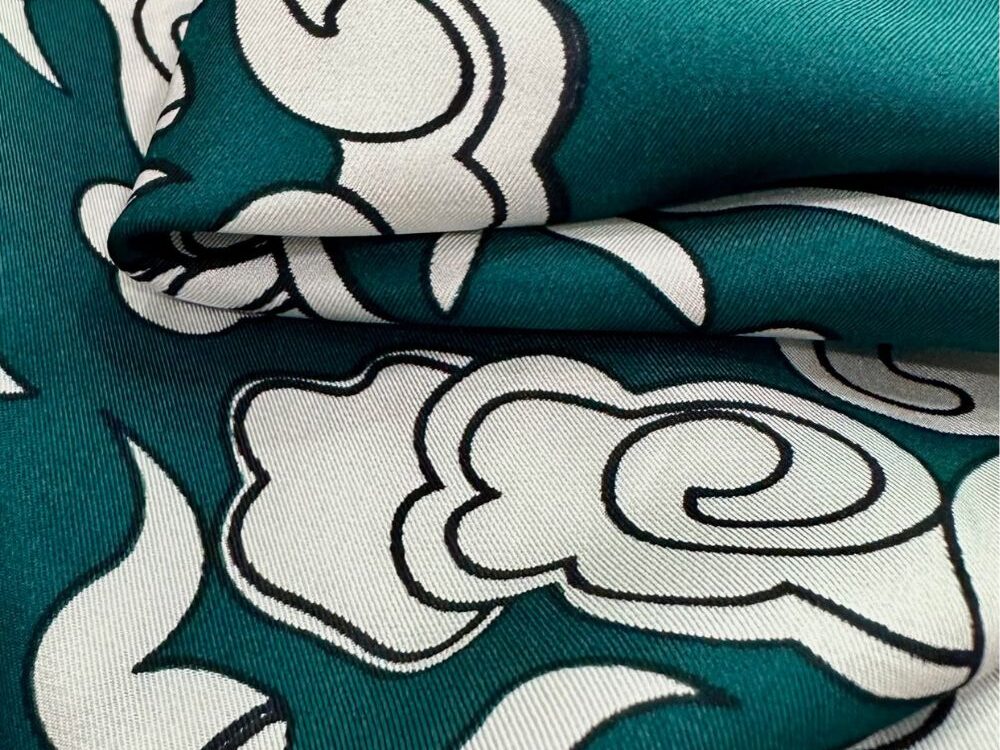
Two scarves can both be made from 100% silk and feel completely different because the weave is what actually determines how the fabric behaves. Weave structure directly affects drape, durability, color retention, and surface sheen. A plain weave produces a lighter, more breathable fabric; a twill weave gives you structure and a slightly matte finish that holds printed colors crisply; a satin weave delivers the high-gloss surface most people picture when they think of luxury silk.
Hem finishing
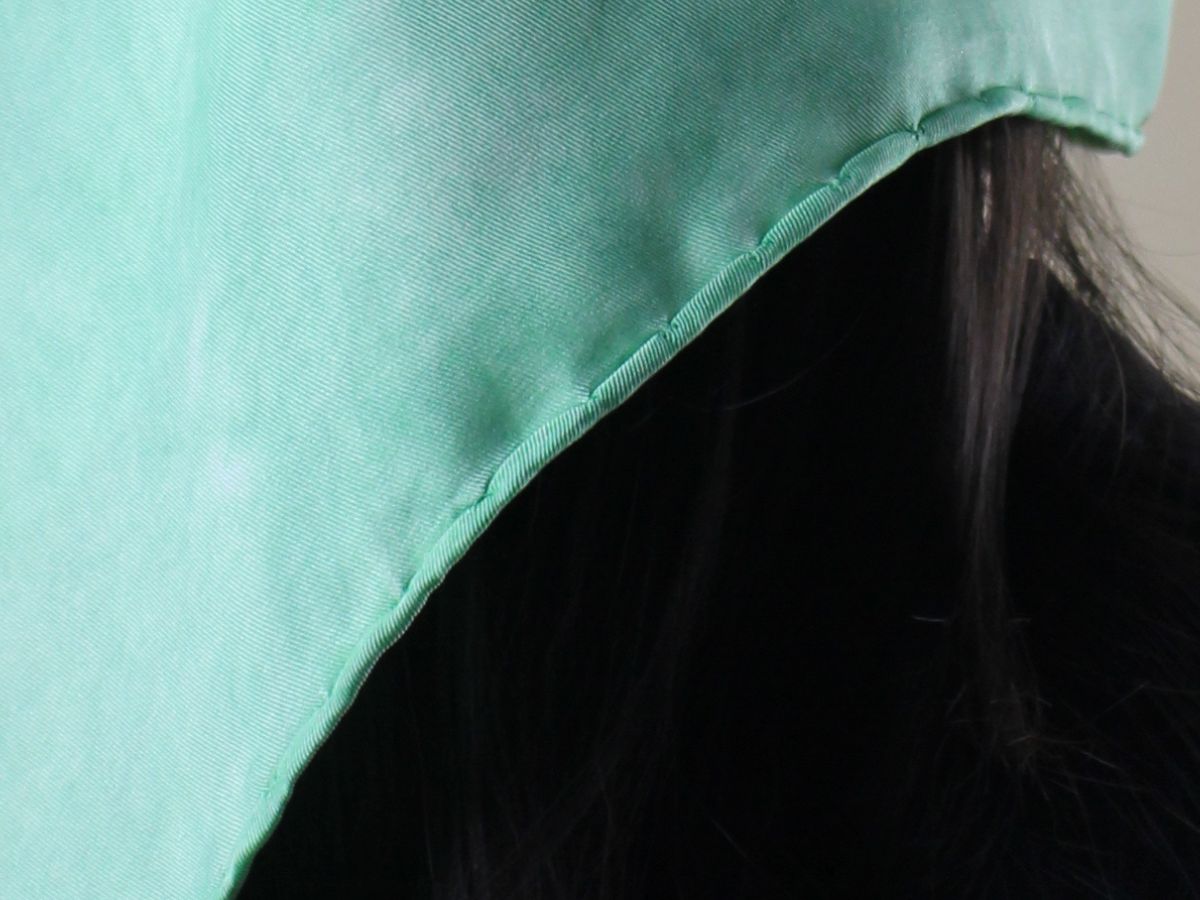
This is the easiest quality indicator to check without any specialist knowledge. A hand-rolled hem, “the gold standard” used by houses like Hermès and Gucci, has a gently rounded edge, rolled by hand and stitched with tiny, even hand-sewn stitches along the perimeter. A machine-stitched hem is flat, uniform, and produced by industrial equipment. Both are functional, but hand-rolling is the mark of genuine craft.
Printing and dyeing technique
There are two main printing methods used for silk scarves. Screen printing (also called silk-screen or traditional printing) pushes ink deep into the fiber on both sides of the fabric, leaving the silk’s natural softness fully intact. When you flip a quality screen-printed scarf over, the pattern is still clearly visible on the back, typically at 85-95% of the front’s color intensity. Digital printing, by contrast, sits on one side of the fabric; the reverse will show the pattern at around 70-80% intensity, and in some cases barely at all.
Price as a quality signal
A 100% silk scarf in a standard size (50×50 cm or 70×70 cm) from a reputable maker in Ho Chi Minh City typically runs between 1 and 3 million VND (approximately USD 40-120). For a larger 90×90 cm scarf, a fair price for genuine quality usually falls somewhere between 3 and 6 million VND (approximately USD 120-240), depending on momme weight, weave, print technique, and level of handcraft finishing. Hand-painted scarves or works created in collaboration with known Vietnamese artists sit in a different category entirely; they carry significant artistic value and can be priced accordingly. If a scarf is significantly below these ranges and is being sold as 100% silk, that’s worth questioning.
MsKÉN – Vietnamese Silk Accessories Rooted in Local Art and Culture
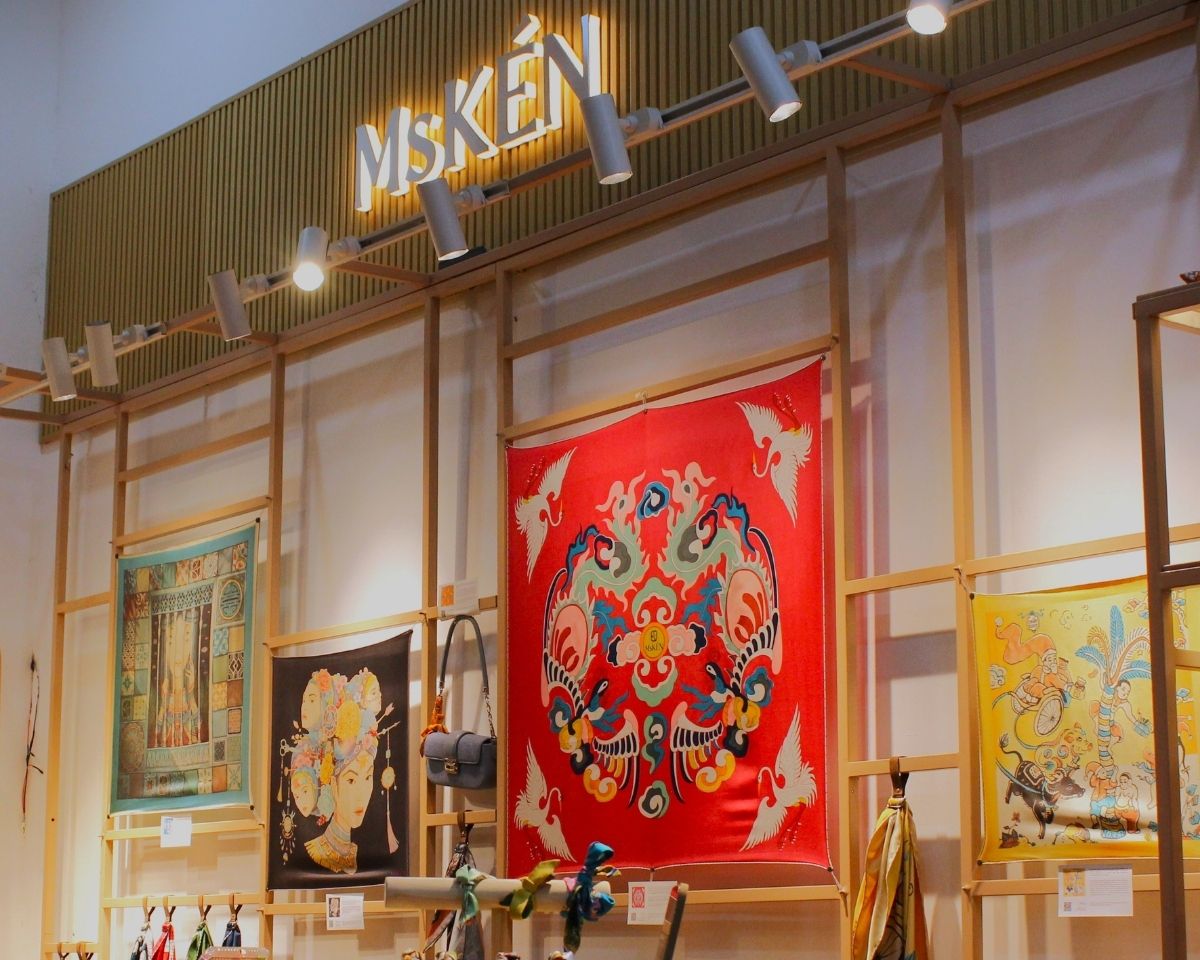
MsKÉN was founded on a simple premise: that fashion should reflect who you are, not just what you’re wearing. Launched in 2022, the brand goes beyond selling silk scarves; it sets out to create silk accessories, beauty, and lifestyle products that carry genuine Vietnamese cultural and artistic identity, bringing those values into everyday life rather than leaving them in museums or galleries. The core customer is someone who values natural materials, has a distinct aesthetic, and wants an accessory that comes with a story worth telling.
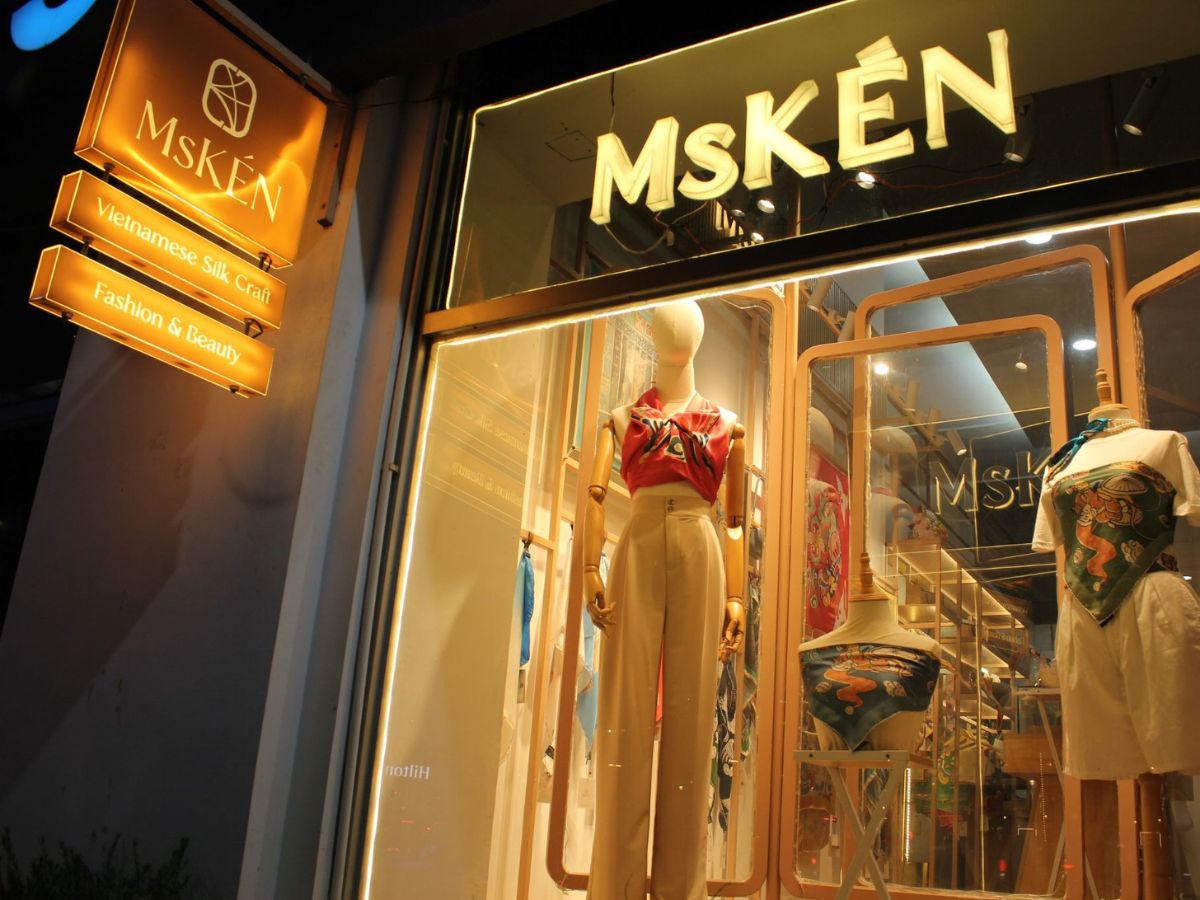
Every piece is made from 100% natural silk sourced from Bao Loc in Lam Đong province, a region widely recognized as producing the highest-quality raw silk in Vietnam, thanks to a consistently cool highland climate that allows silkworms to thrive year-round. Skilled Vietnamese artisans finish scarves with hand-rolled hems, and the distinction between MsKÉN’s handwork and industrial alternatives is immediately apparent in the quality of the edge.
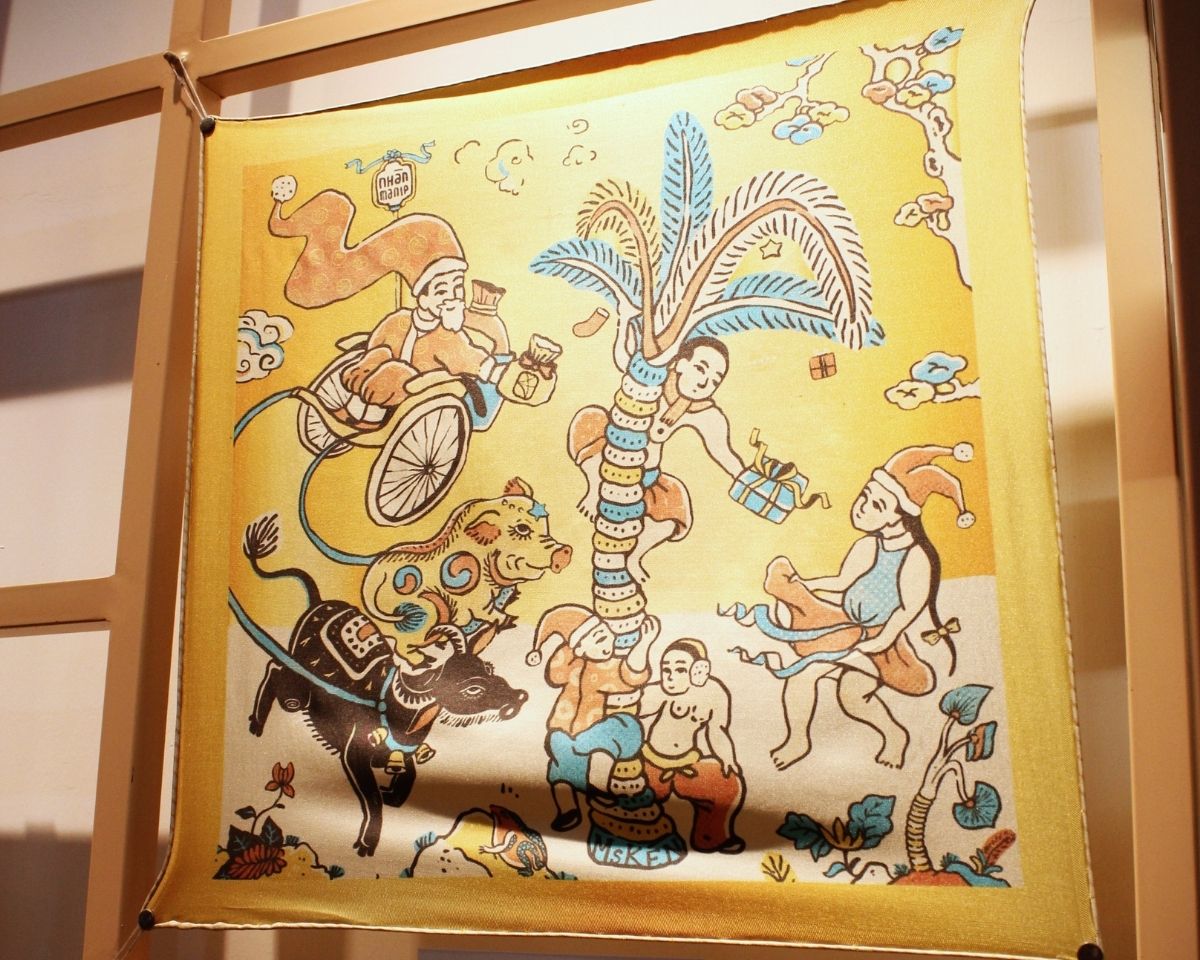
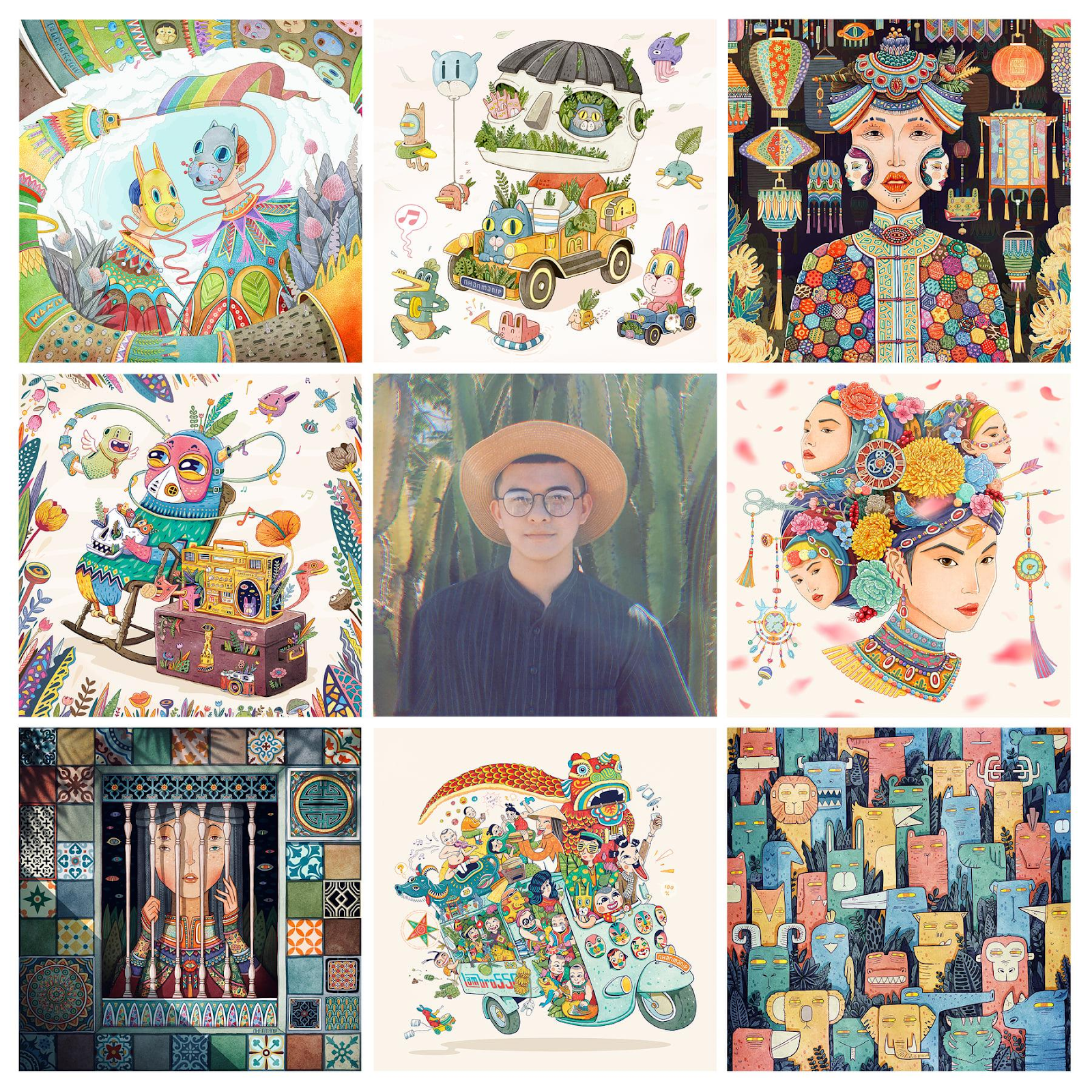
What sets MsKÉN apart most clearly is the depth of intention behind each collection. Designs are developed in direct collaboration with Vietnamese artists, drawing inspiration from traditional Vietnamese motifs, reworked and reimagined through a contemporary lens. The “Họa Việt Tích Sử” (Vietnamese Artistic Heritage) collection reimagines patterns from the Nhật Bình royal robe in a fresh visual language. The Christmas scarf, developed in collaboration with artist Nhanmanip, merges motifs from Đông Hồ folk paintings with Western cultural references. Each scarf functions less as an accessory and more as a wearable artwork.
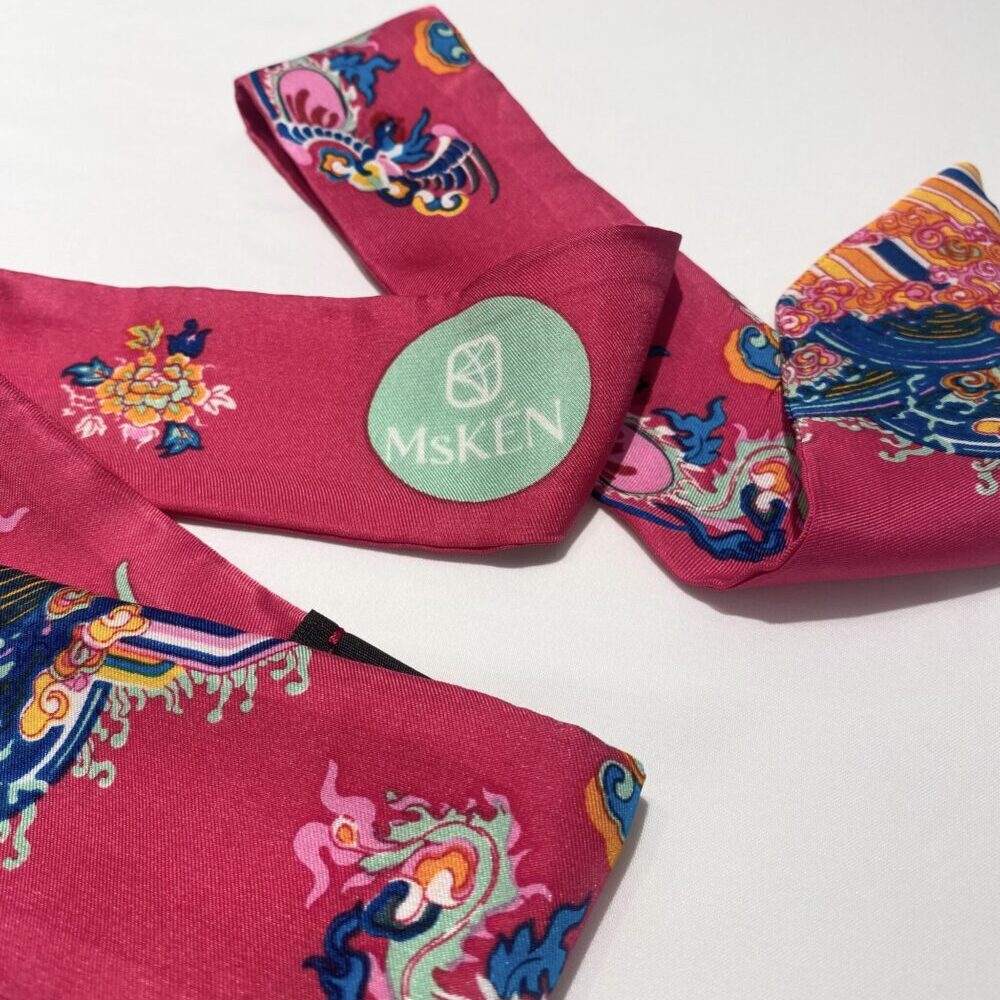
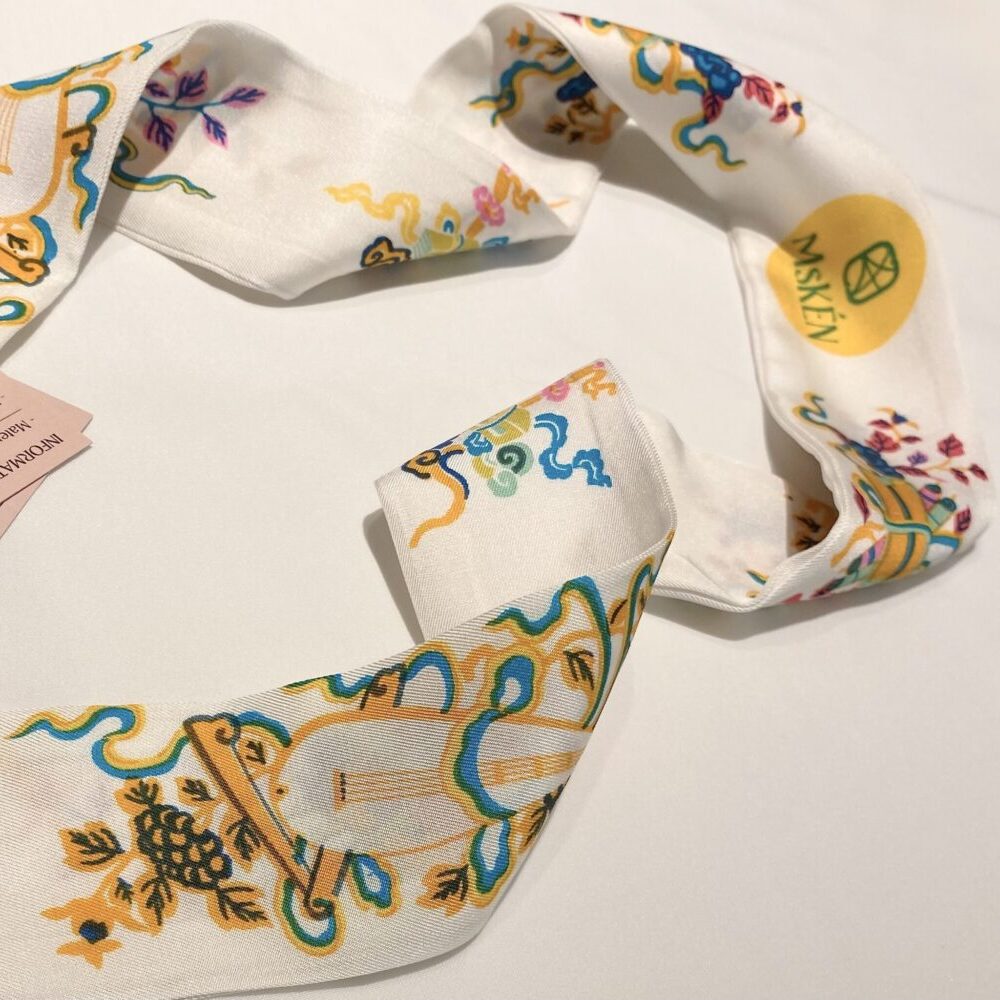
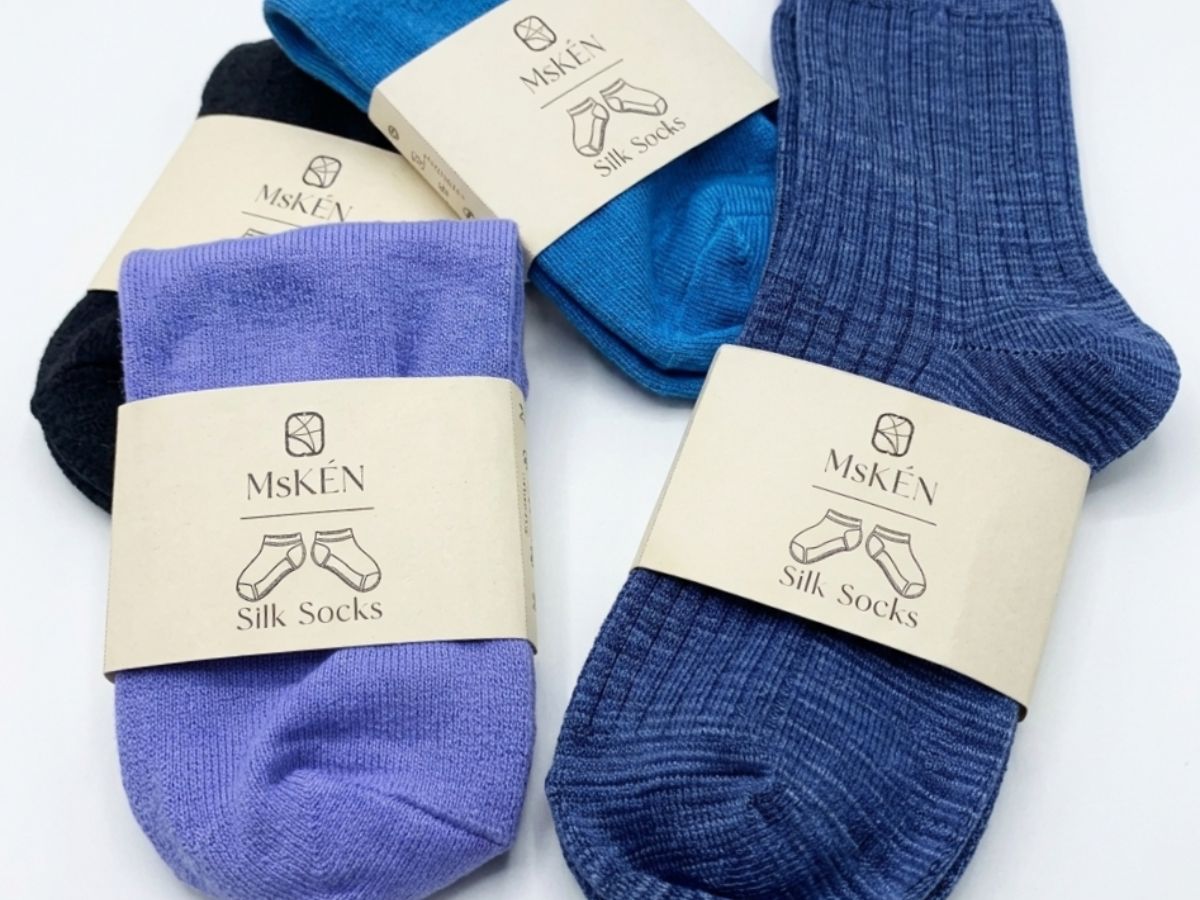
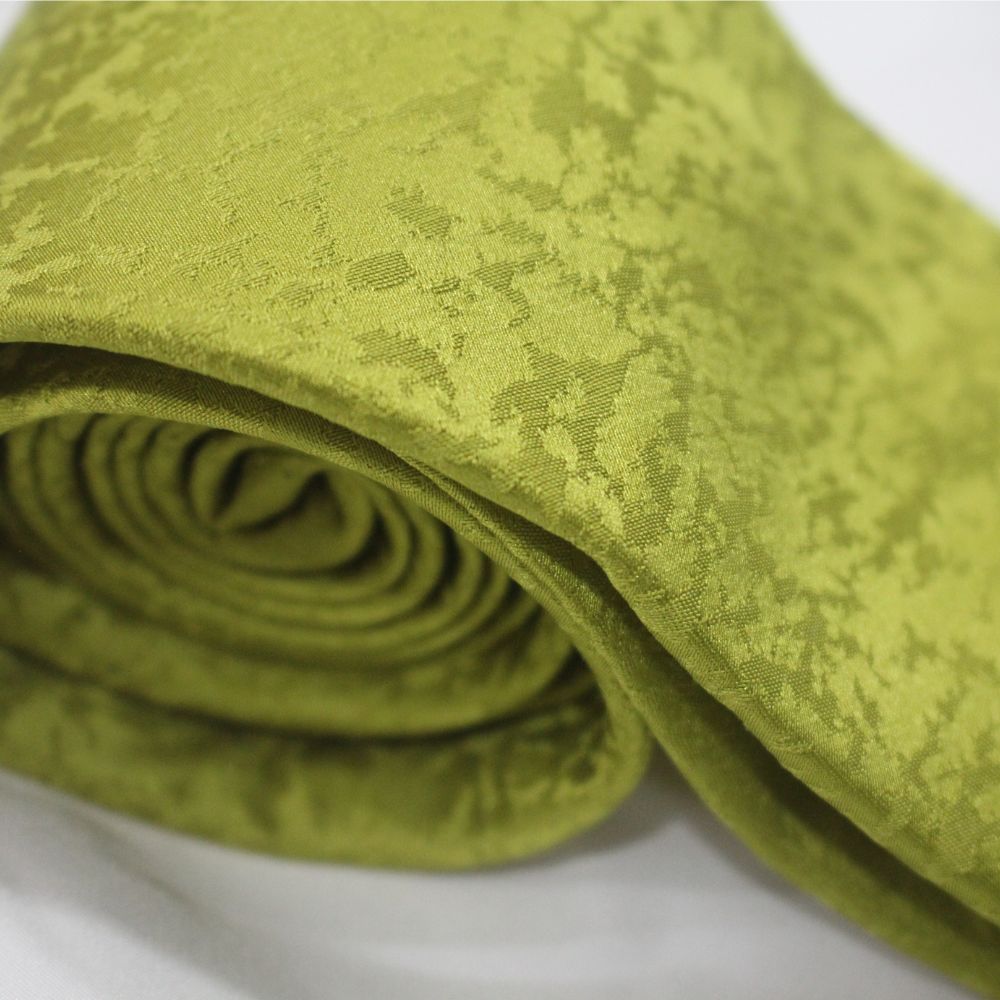
Beyond scarves, MsKÉN also offers Ribbonie (twilly) scarves, silk ties for men, silk socks, and scrunchies, with plans to expand into apparel, bedding, and skincare.

What customers say:
“The Hermès of Vietnam. High-quality silk scarves with designs inspired by Vietnamese culture, vibrant colors, exquisite hand-rolled edges, and a fair price. I’ve bought several to give as gifts to friends and family in Europe.” – Frederic Avrilleaud
“I was on my way to catch the river bus in Ho Chi Minh City when I stumbled across this charming little shop. Inside, there are stunning silk scarves made by Vietnamese hands. The artwork is also beautiful and unique, unlike anything I’d seen before.” – LANY Vietnam FC
“I came back to MsKÉN three times during my visit to Saigon, and each time I left more impressed than the last. The silk scarves are beautiful, a perfect keepsake from this trip.” – Rebecca G.
Vietnam Silk House – A Silk Institution with Deep Roots in Vietnamese Craft
Vietnam Silk House was built around a mission that goes beyond retail: to promote Vietnamese silk to the world. That positioning as a bridge between traditional weaving heritage and the global market sets it apart from most stores in the city. Its customer base is deliberately broad, ranging from individuals looking for a quality gift to corporations sourcing branded scarves, ties, and uniforms for their teams and partners.
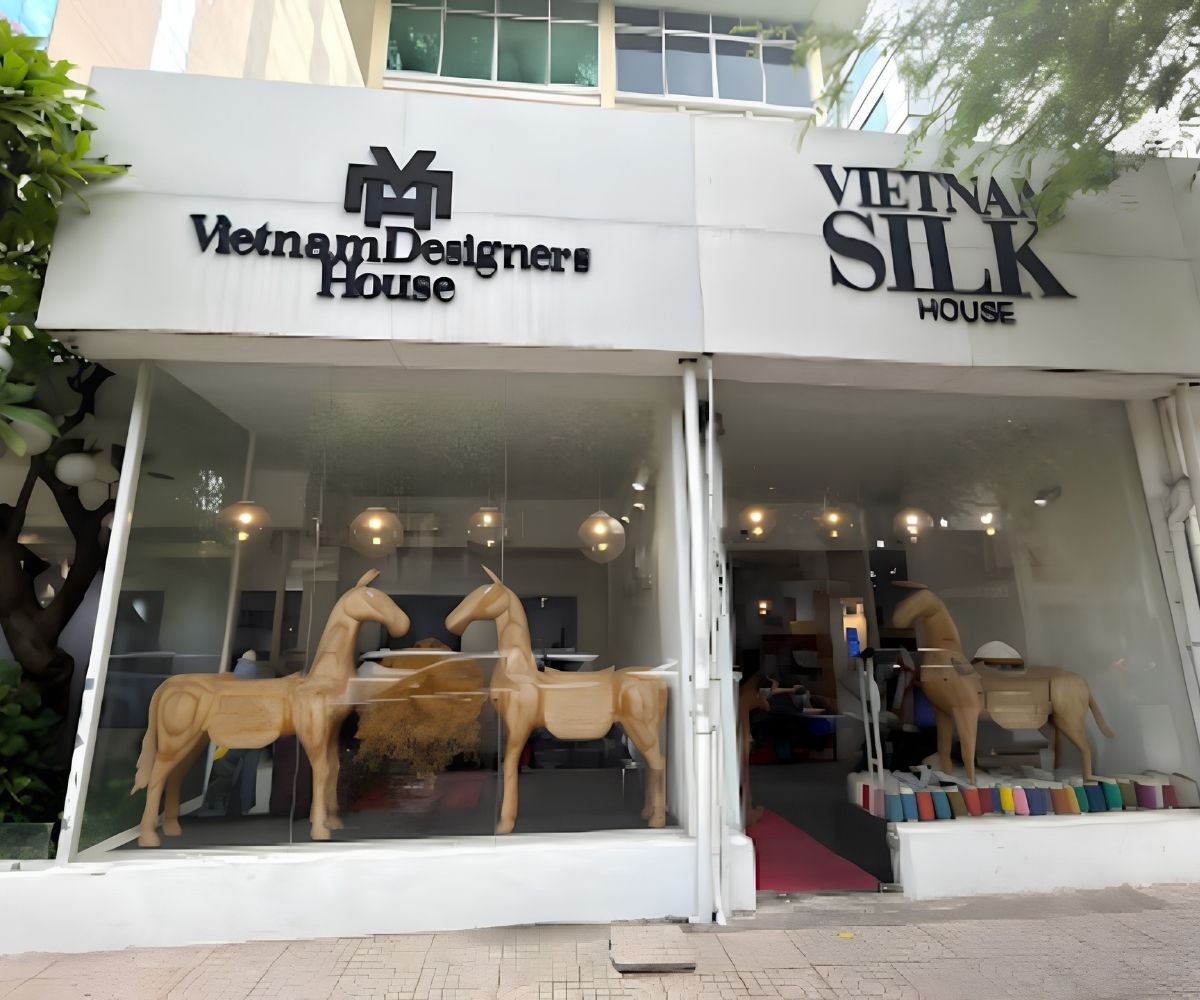
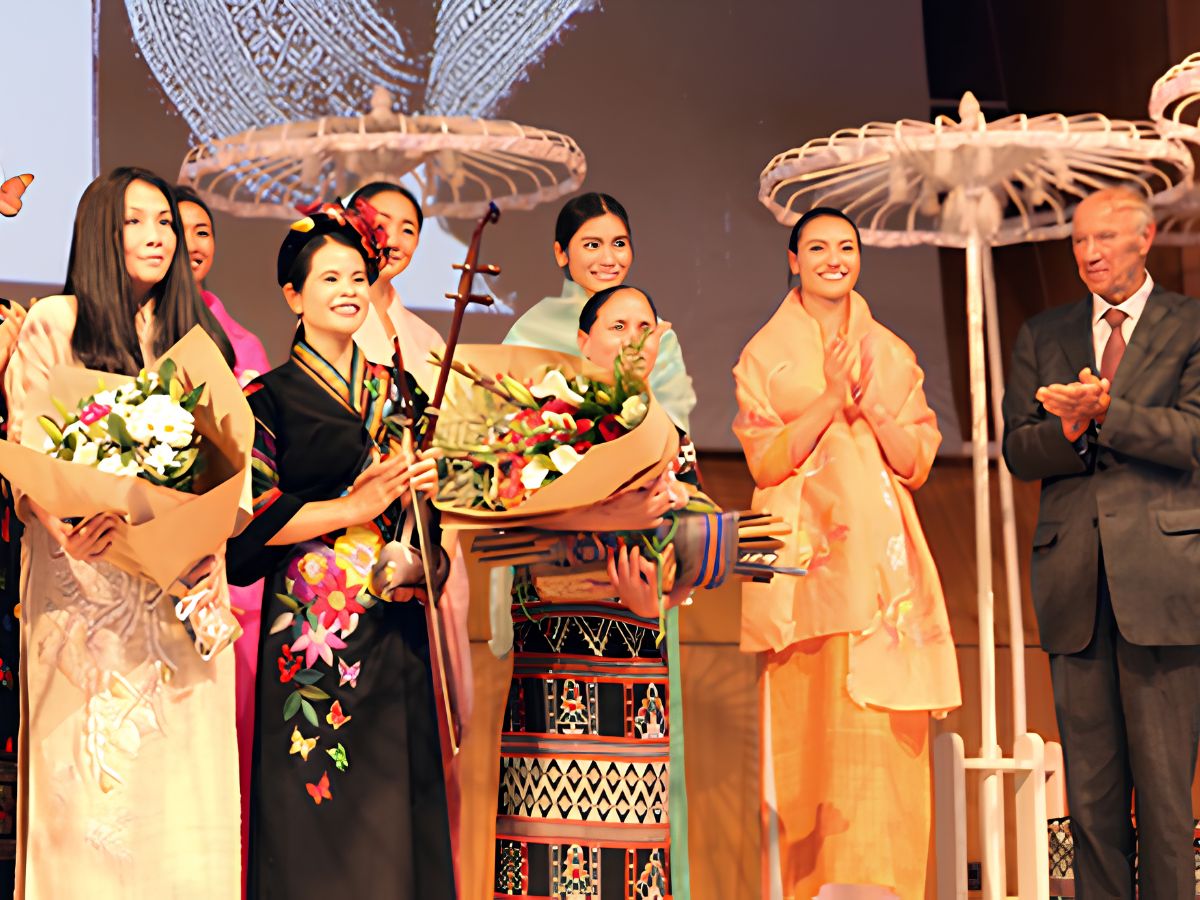
The brand has a genuine footprint in the Vietnamese silk ecosystem, maintaining close ties with producers in Bao Loc and across Lam Đong. Its reach extends internationally. Vietnam Silk House has represented Vietnamese silk and Zèng brocade at the World Intellectual Property Organization (WIPO), participated in silk fashion presentations at the Russian Imperial Palace, and secured supply contracts with institutional clients including Somerset, Saigon Tourist, and Sasco. These aren’t marketing claims; they reflect a track record that’s rare in this space.
The product range reflects that breadth: silk scarves with traditional Vietnamese motifs and cultural references, silk fabric sold by the meter for tailoring áo dài and traditional garments, silk ties, and long scarves in classic styles well-suited to gifting.
What customers say:
“I loved the scarf collection at Vietnam Silk House. I had a wonderful shopping experience and chose two long silk scarves, one with a peach blossom motif and one with bamboo as gifts for my mother and a close friend.” – Corinne Wolf
“A wonderful store for anyone who loves silk. I found some really beautiful fabrics for upcoming projects.” – Katherine Terrell
Daisu Silk – Handcrafted Silk with Rare and Exclusive Techniques
Daisu Silk occupies a specific and unusual position in Ho Chi Minh City’s silk landscape: it is one of the first studios in Vietnam dedicated specifically to research and handcraft production of fine silk accessories. The brand’s founding philosophy that preservation and innovation must coexist for traditional craft to survive has shaped everything from its production methods to its product design. Daisu’s customers tend to be collectors and connoisseurs, people who want something made entirely by hand using techniques that almost no one else is using.
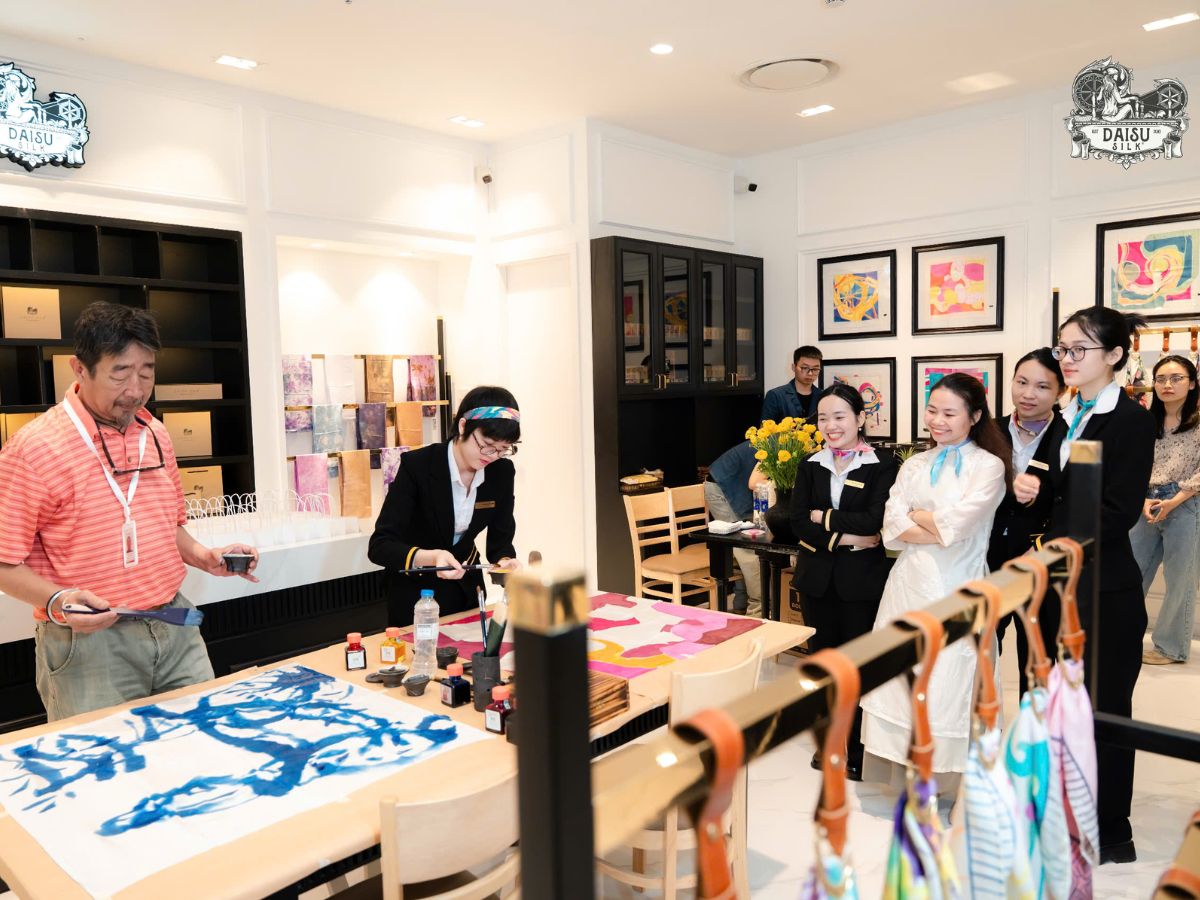
The studio maintains its own hand-weaving workshop in Nam Đinh, one of Vietnam’s oldest silk-weaving regions. Over years of research, Daisu has developed and refined several proprietary techniques rarely found elsewhere in Vietnamese silk production: cold-dyeing for permanent, fade-resistant color; silk hand-painting in both fashion and fine-art styles; and woodblock printing, a traditional method that requires exceptional skill and produces results that can’t be replicated digitally.
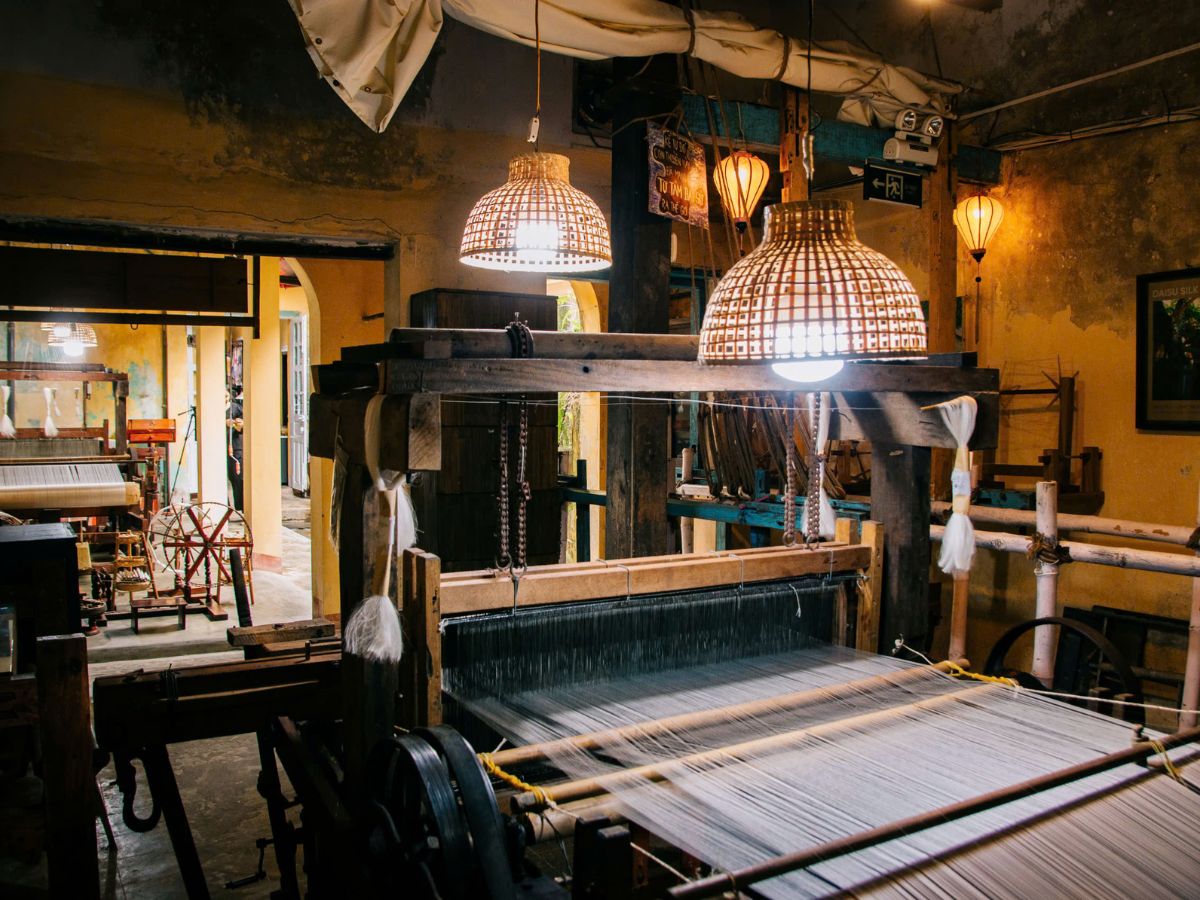
Every scarf is woven on traditional Vietnamese hand looms by experienced artisans. The product line centers on three categories: art hand-painted scarves, fashion hand-painted scarves, and silk twillies. Silk ties for men are also available.
What customers say:
“A beautiful store, and beautiful silk. What made it special was being able to watch the process of how the silk is actually made right there in front of you.” – Barbara Broom
Conclusion
Each of these three stores represents a different way of thinking about Vietnamese silk, different origins, different aesthetics, different levels of craft. What they share is a commitment to authenticity: real materials, real production, real stories. All three make their products entirely in Vietnam.
If you’re trying to decide between them, the simplest guide is this: if you want a scarf with layered cultural meaning and contemporary Vietnamese artistry, MsKÉN is the place to start. If you need a wider range of silk products or are sourcing for a business, Vietnam Silk House is worth a visit. And if you’re after something genuinely one-of-a-kind, hand-painted, traditionally woven, collector-grade Daisu Silk is in a category of its own.