What is Silk?
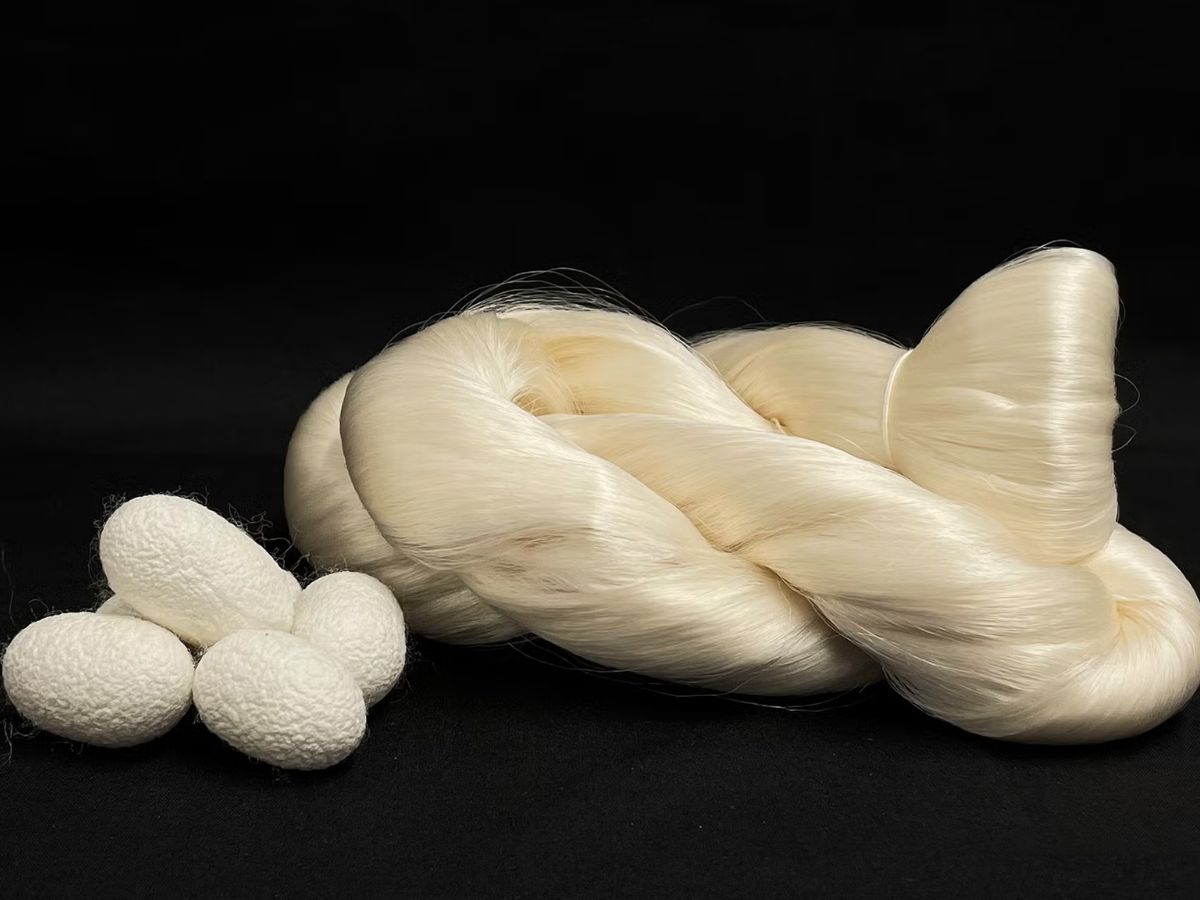
Silk is a natural fiber harvested from the cocoon of the silkworm. Many people use “silk fiber” and “silk fabric” interchangeably, but the two are actually different concepts: silk fiber is the raw material, while silk fabric is the finished product – yarn or cloth produced after silk fiber has undergone the full production process.
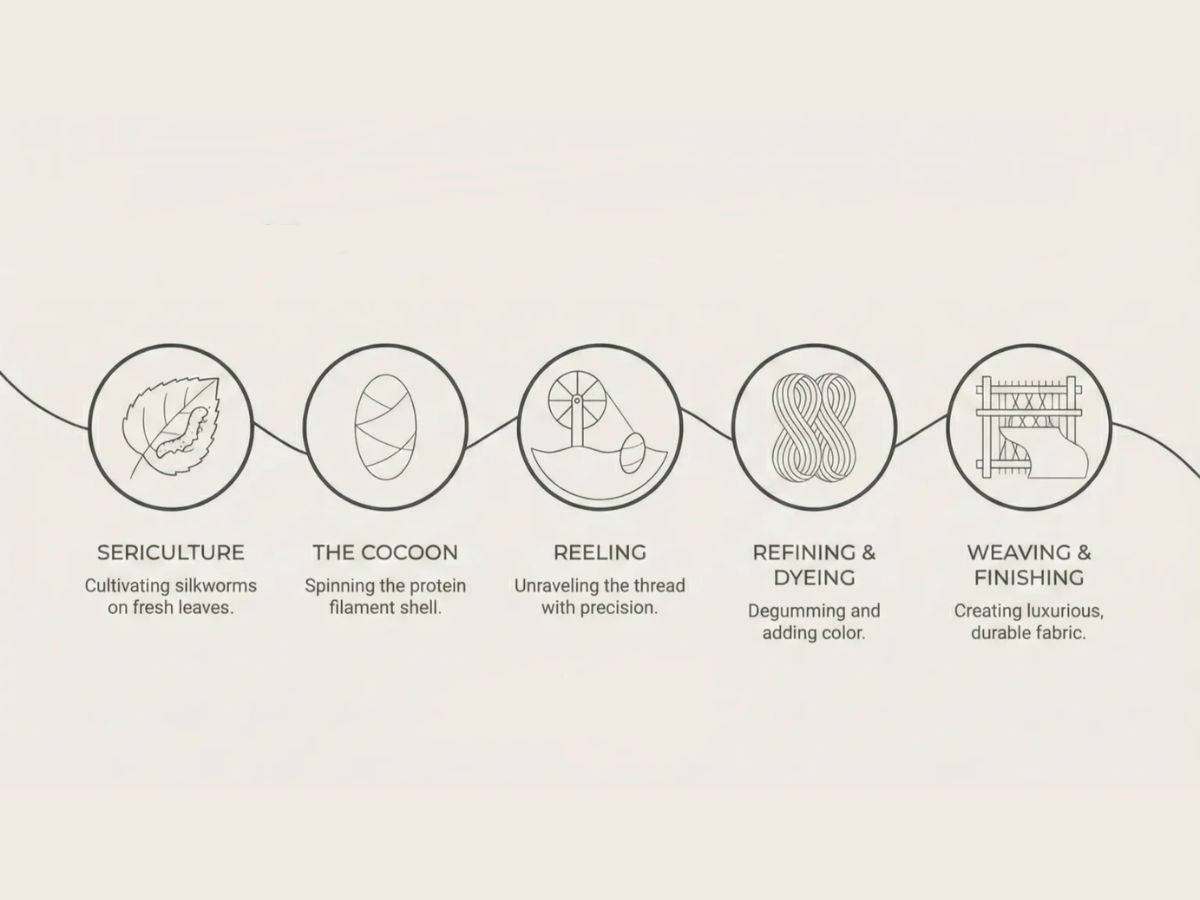
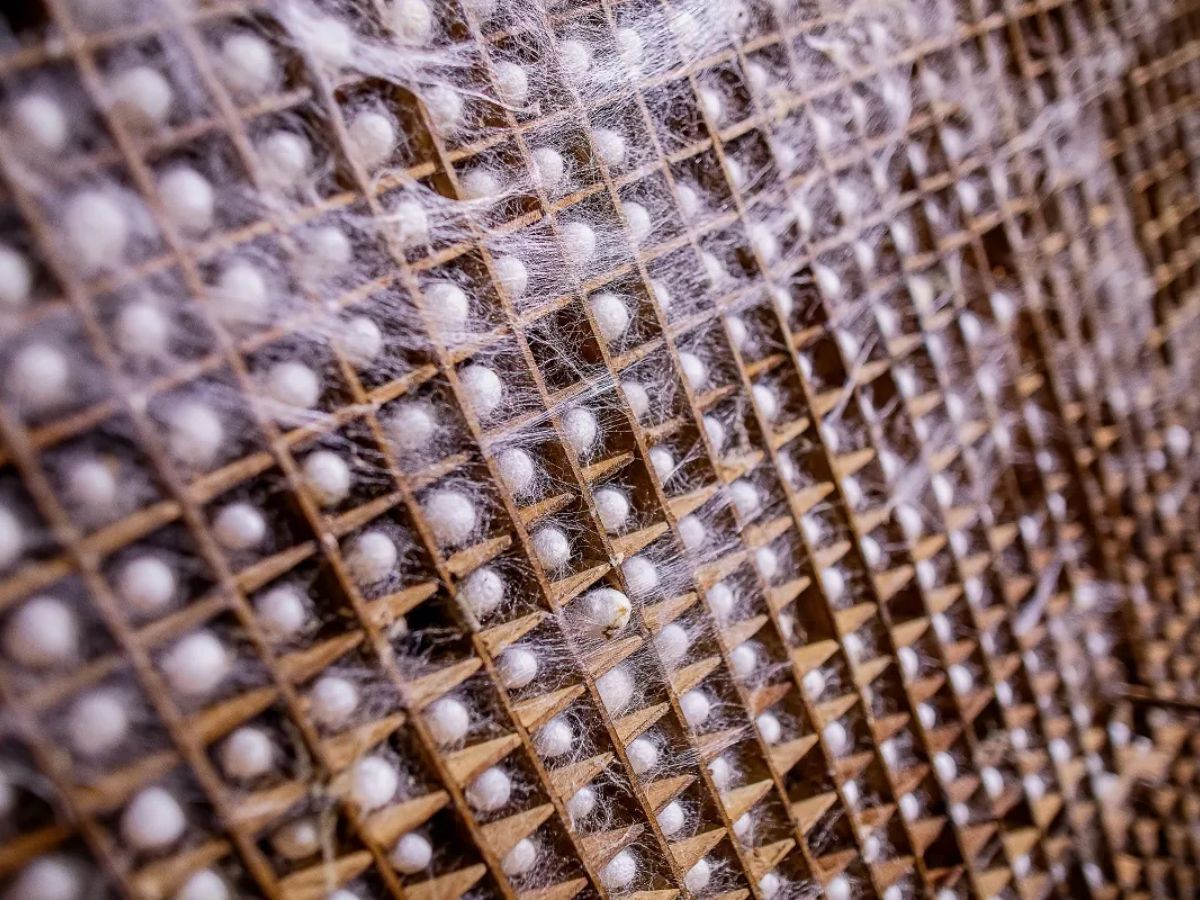
To understand why silk fabric commands such a high price, the numbers speak for themselves: a single silkworm cocoon yields between 900 and 1,500 meters of continuous thread, yet harvesting just half a kilogram of raw silk requires between 2,000 and 3,000 cocoons – one cocoon per worm. That is why products made from silk fabric are consistently priced higher than most other textiles on the market.
The Origins and History of Silk
Sericulture originated in ancient China. Archaeological evidence suggests that silk products appeared as early as 6500 BC, although organized sericulture is recorded as having begun between 3000-4000 BC. Over the centuries, sericulture spread across South Asia, India, the Mediterranean region, and Western Europe.
For a long time, the Chinese imperial court kept the production process a closely guarded secret. That secrecy gave silk an almost mythological status: it was treated like gold, something only emperors and the upper nobility could wear. By the 2nd century BCE, silk had become a genuine trade commodity, and the network of routes that carried it westward became what we now call the Silk Road.
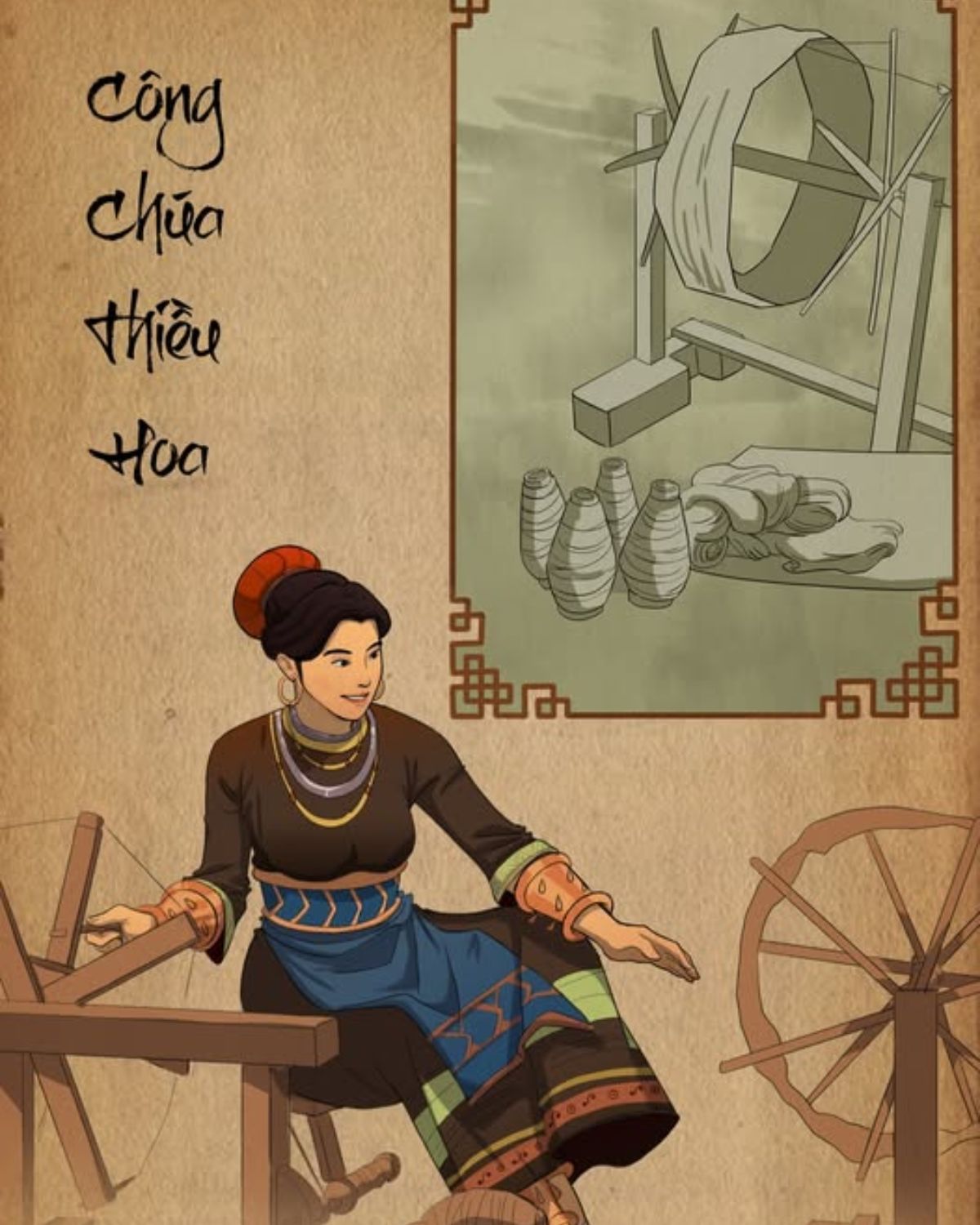
Vietnam has its own long history with silk. The craft is said to date back to the era of the Hùng Kings, with Princess Thieu Hoa (daughter of the sixth Hung King), recognized as the founding ancestor of Vietnamese silk weaving. Silk weaving villages like Van Phuc in Ha Đong and Ma Chau in Quang Nam have existed since the feudal period and are still active today.
What Silk Is Actually Made Of
A silk fiber is a natural protein structure with two main components.
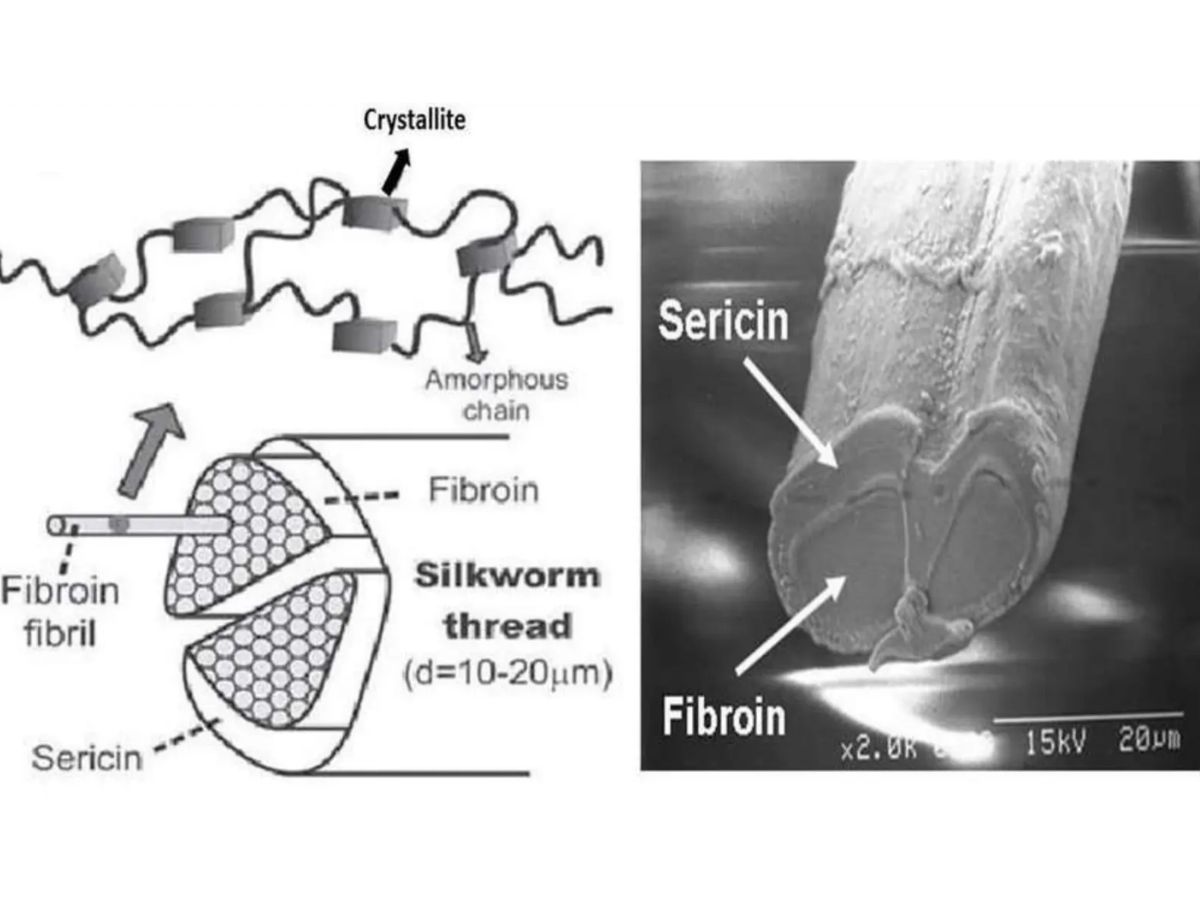
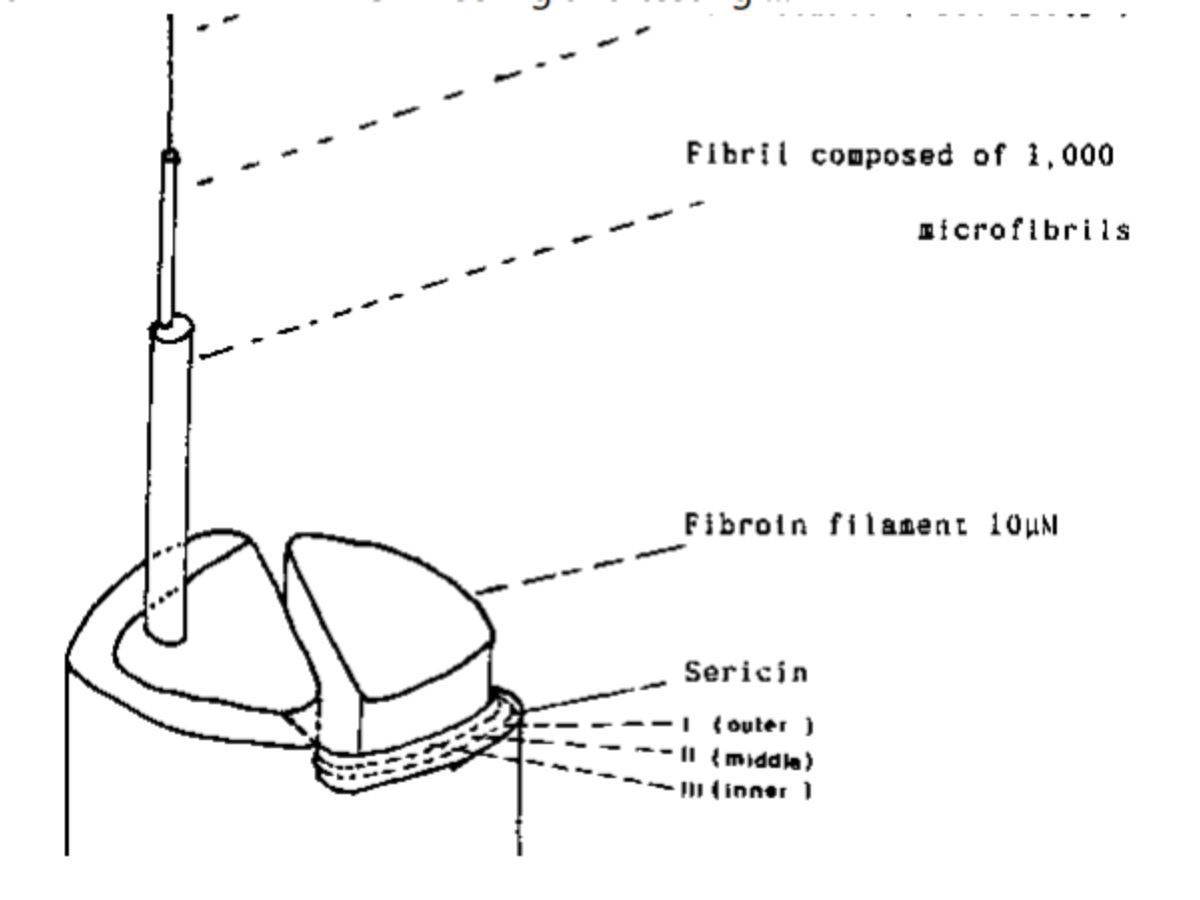
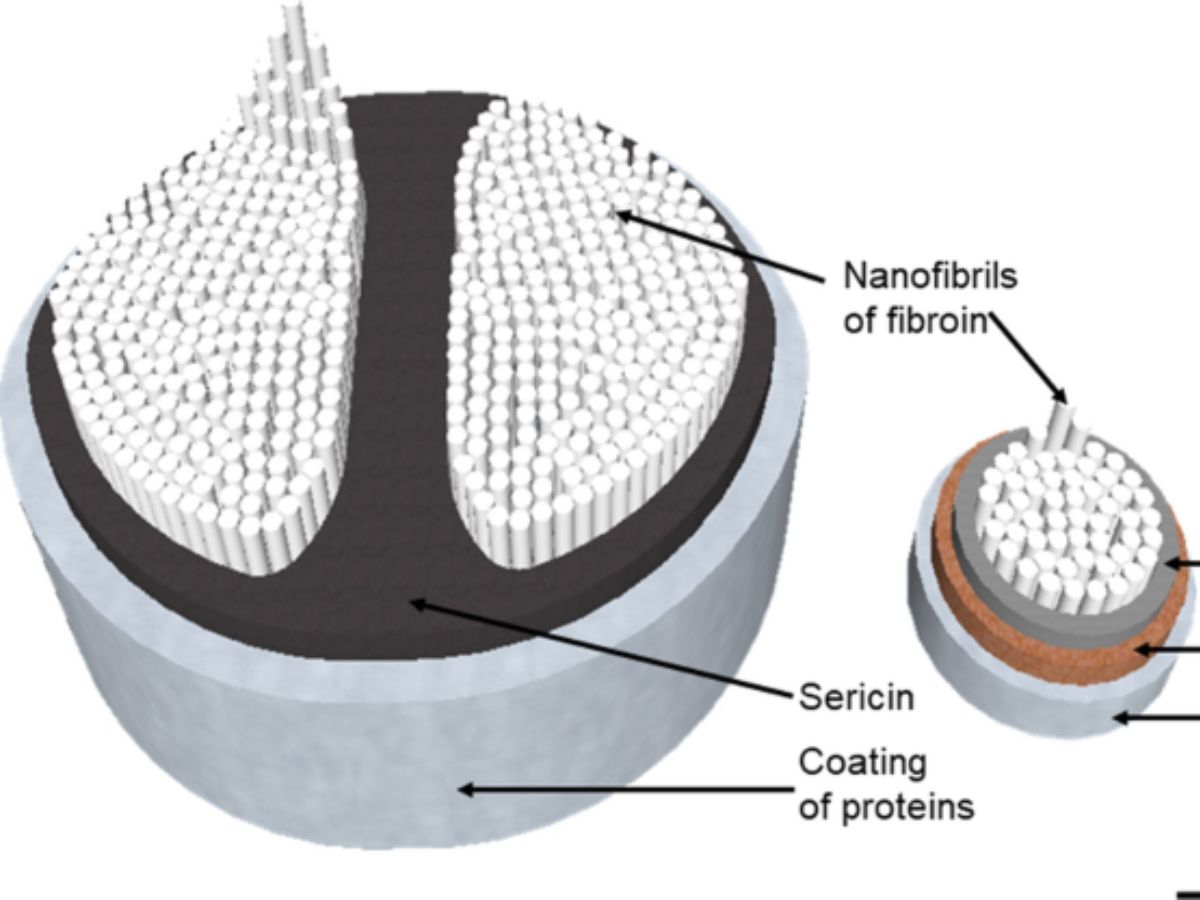
Fibroin makes up the solid inner core, roughly 70 to 80% of the fiber and is responsible for everything we associate with silk’s quality: its strength, its flexibility, and the natural sheen it’s known for.
Sericin is a gummy protein that coats the fibroin core, accounting for around 20 to 30% of the fiber. Its main job is to hold the silk threads together and give the cocoon its structure.
The rest – about 1 to 3% – is made up of small amounts of fats, waxes, and other organic compounds.
What Makes Silk Different
Silk has been called the “queen of fibers” for a long time, and that reputation isn’t just marketing. It has a set of properties that other materials, natural or synthetic, haven’t been able to fully replicate.
It has a natural sheen that’s hard to copy
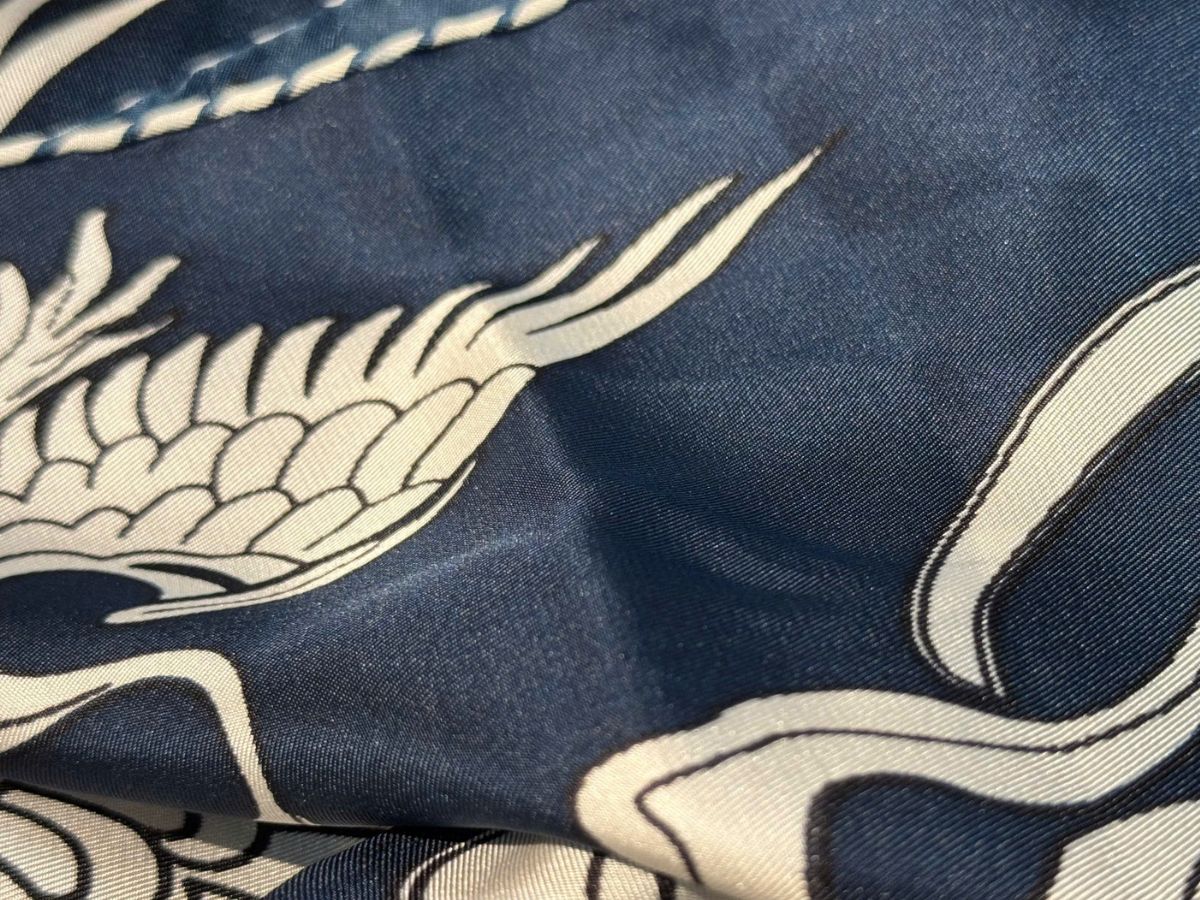
The cross-section of a silk fiber is shaped roughly like a curved triangle. That geometry acts like a prism, catching light from multiple angles at once and producing the soft, shifting luminosity that silk is known for. Synthetic fabrics can approximate it, but they tend to look flat or plasticky by comparison.
It regulates temperature surprisingly well
Silk is often described as “cool in summer, warm in winter” which is actually grounded in how the fiber is structured. Silk threads are made up of many fine filaments arranged in parallel, which creates tiny air pockets throughout the fabric. Those pockets slow heat transfer in both directions – keeping warmth in when it’s cold, and keeping excess heat out when it’s warm.
It absorbs moisture and has mild antibacterial properties
Sericin naturally contains antibacterial compounds. Most of it gets washed away during processing to make the fabric softer, but enough typically remains to give silk some resistance to bacteria. On the moisture side, fibroin is packed with hydrophilic amino acids, which means silk wicks sweat away from the skin better than a lot of conventional fabrics.
It wrinkles easily and doesn’t love humidity
This is the trade-off. Unlike synthetic fibers that are heat-set to stay smooth, silk is a natural fiber with a lot of structural flexibility, once it creases, the molecular structure doesn’t just spring back into place on its own. And while silk handles moisture well in terms of absorption, extended exposure to high humidity can break down the fiber over time, making the fabric weaker and more prone to tearing.
How to Tell Real Silk from Blended Fabrics
Blended and counterfeit silk is genuinely widespread right now. The most common version mixes around 30% real silk with 70% synthetic fiber or flips that ratio and finishes it with industrial dyeing that makes it look convincingly real at a glance. A few quick tests can cut through that.
Burn it
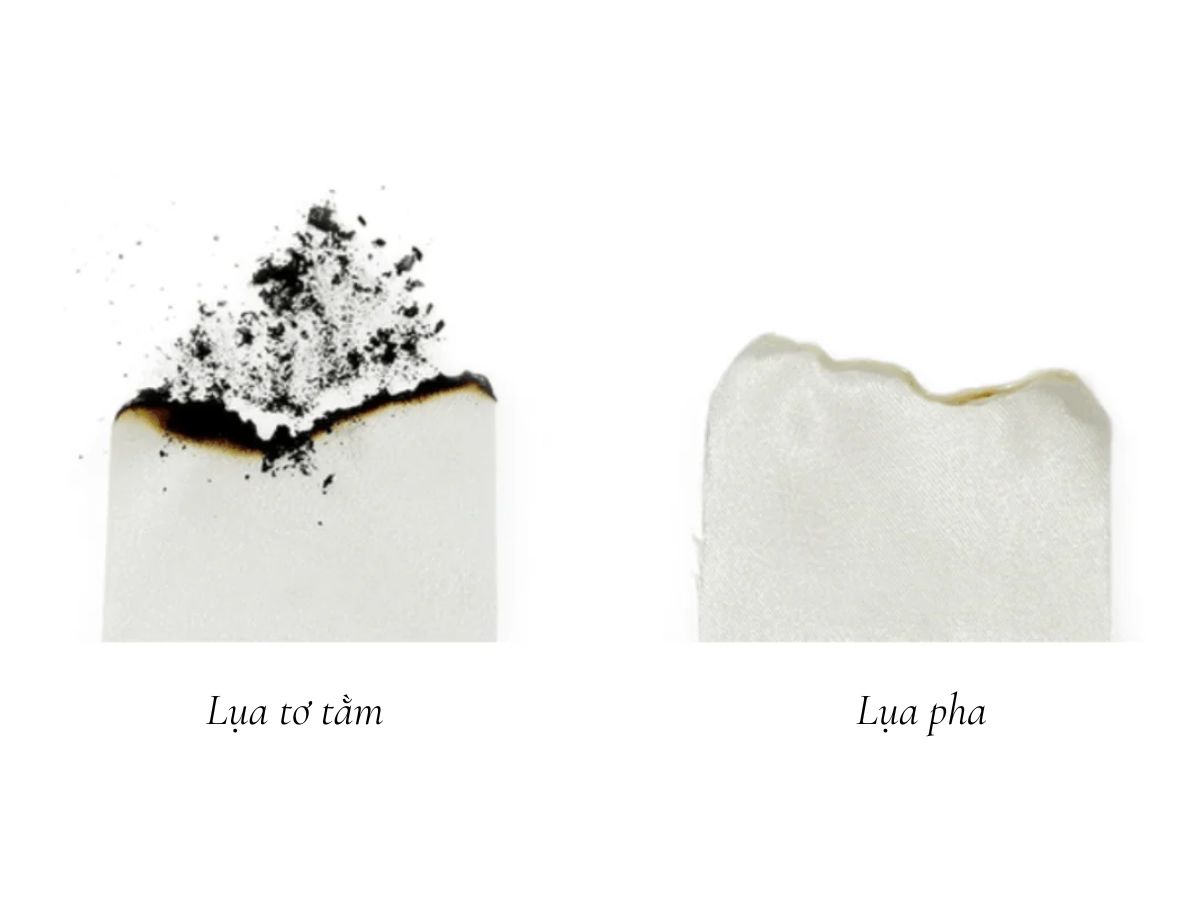
Hold a small piece of fabric to a flame. Real silk burns slowly, smells like burning hair, and leaves a dark, chalky ash that crumbles easily when you press it. Blended or fake silk smells like burning plastic and tends to melt or shrivel the way nylon does.
Look at it under light
Look at genuine silk under a light source and the sheen shifts, soft, varied, a little different from every angle. Blended fabrics tend to reflect light more uniformly, which can look brighter but less nuanced.
Scrunch it
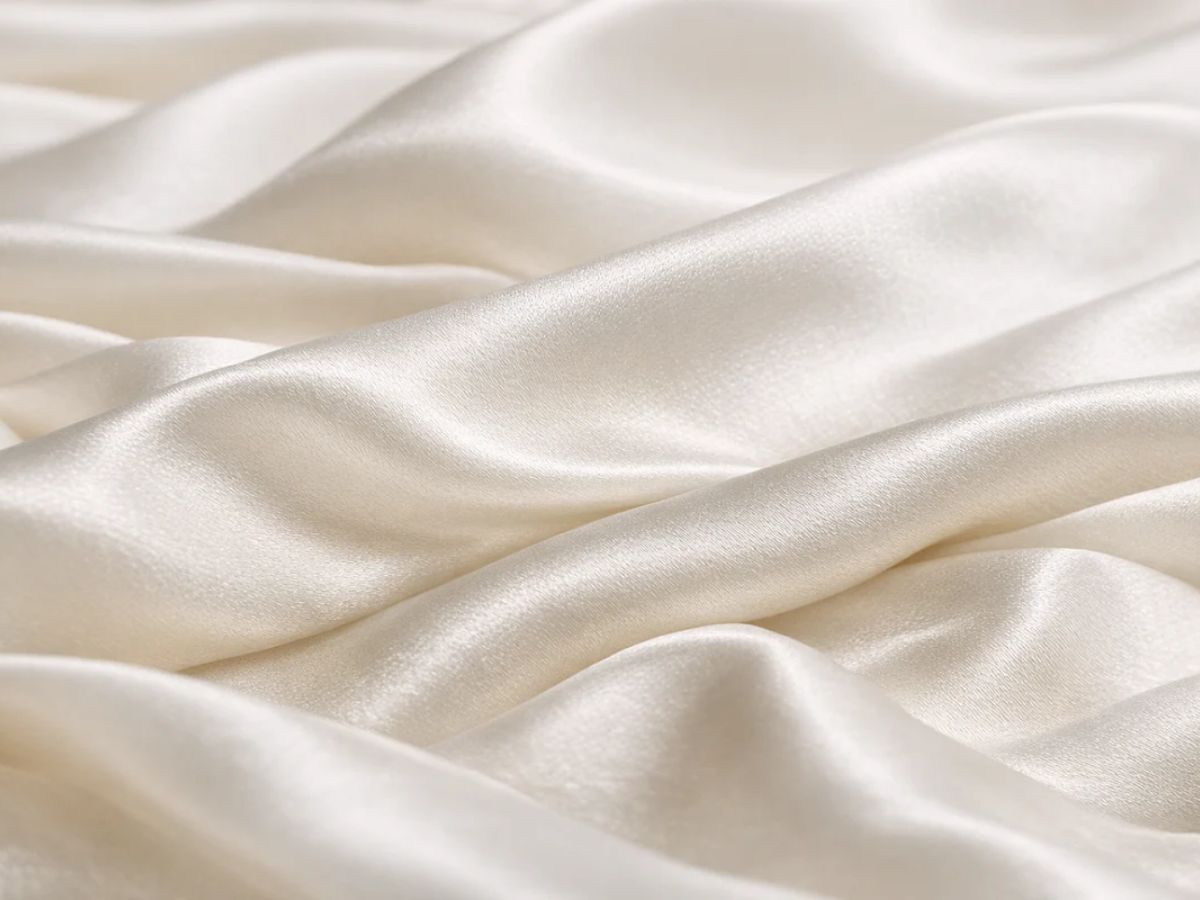
Grab a corner of the fabric, scrunch it in your fist, then let go. Real silk holds onto the wrinkles. Synthetic-heavy blends spring back almost immediately.
Feel it
Real silk feels warm against the skin, not cold. Fake or blended versions often feel slippery and have that distinctly cold, slightly airless quality of nylon.
Where does silk appear in everyday life?
Silk’s applications go well beyond what most people think of when they picture it.
Clothing and fashion
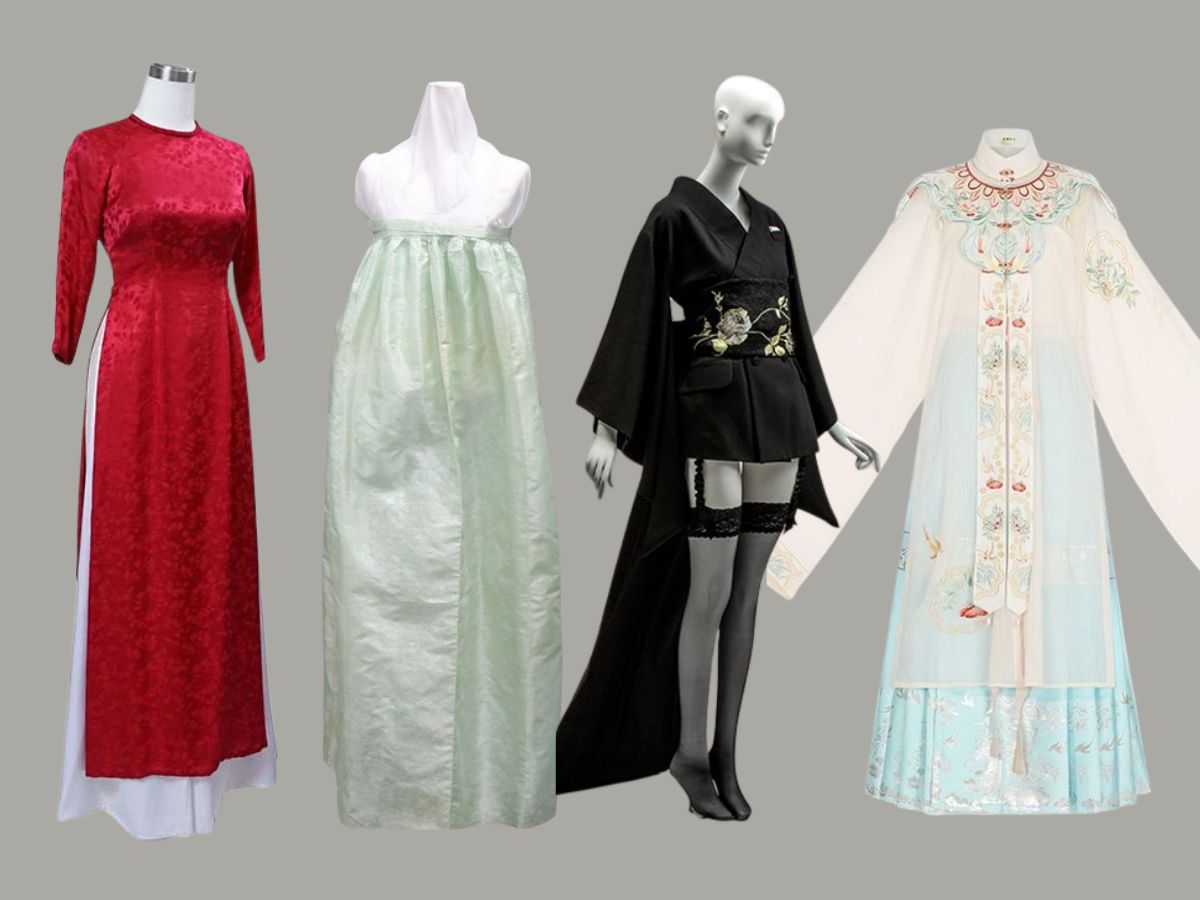
Silk has been the go-to material for high-end garments for centuries, largely because of the combination of sheen, softness, and temperature regulation that’s hard to get from anything else. It’s woven into many of Asia’s most recognizable traditional garments: Vietnam’s Áo dài, Korea’s Hanbok, Japan’s Kimono, China’s Hanfu and it’s also the standard material for accessories like scarves, neckties, and twillies.
Skincare and beauty
The two main proteins in silk have found their way into premium skincare. Sericin released from cocoons soaked in water works as a natural exfoliant. Silk-based face masks are valued for their ability to penetrate deeply, stimulate collagen production, and help slow visible signs of aging.

Medicine
Silk’s biocompatibility with the human body is remarkable. Once the sericin is removed, the remaining fiber can be used as a surgical suture, which is strong, antibacterial, non-irritating to surrounding tissue, and biodegradable once the wound has closed. It’s one of the more elegant applications of a natural material in modern medicine.
Bedding and sleep
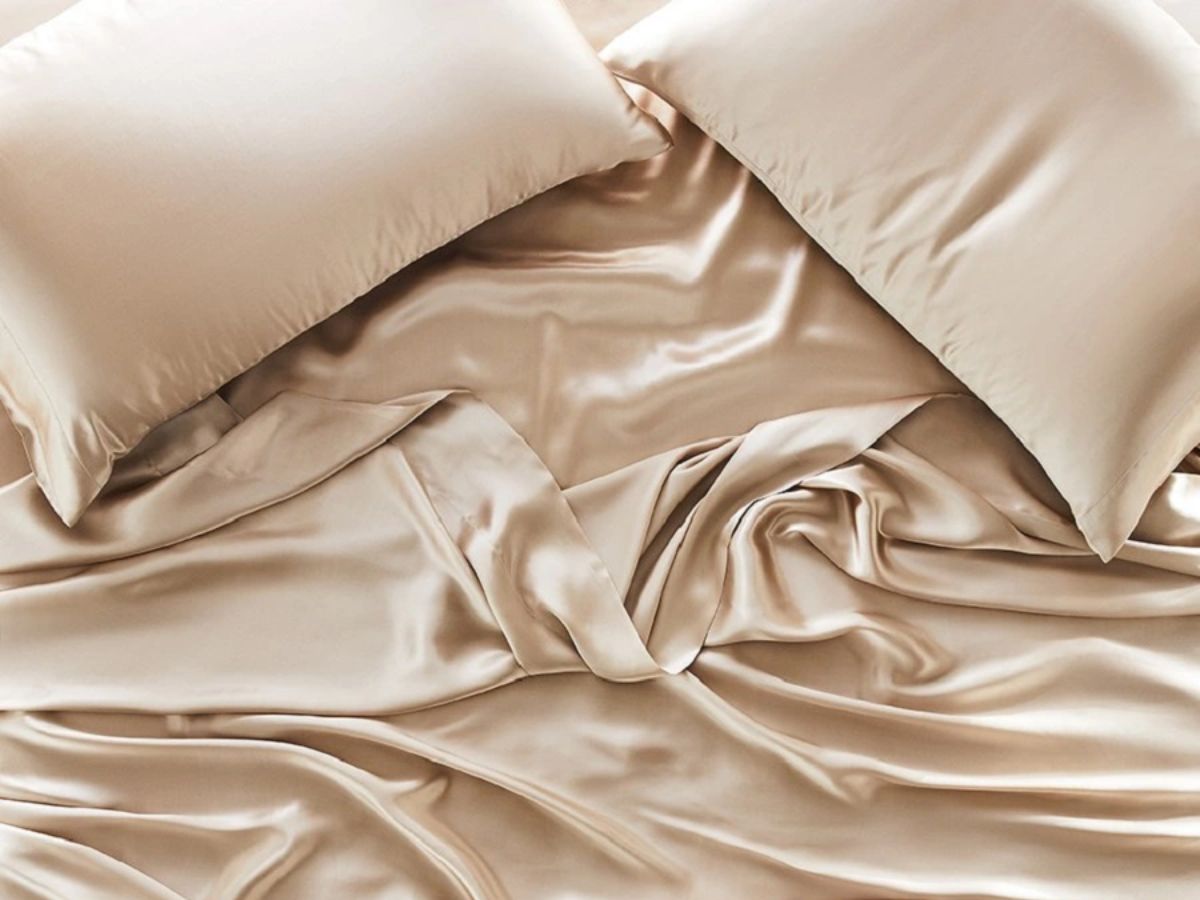
Silk pillowcases, duvet covers, and sleep masks have grown steadily in popularity, and it’s not just a luxury thing. The combination of moisture-wicking, breathability, and gentle antibacterial properties does make a measurable difference in how the skin feels.
Art
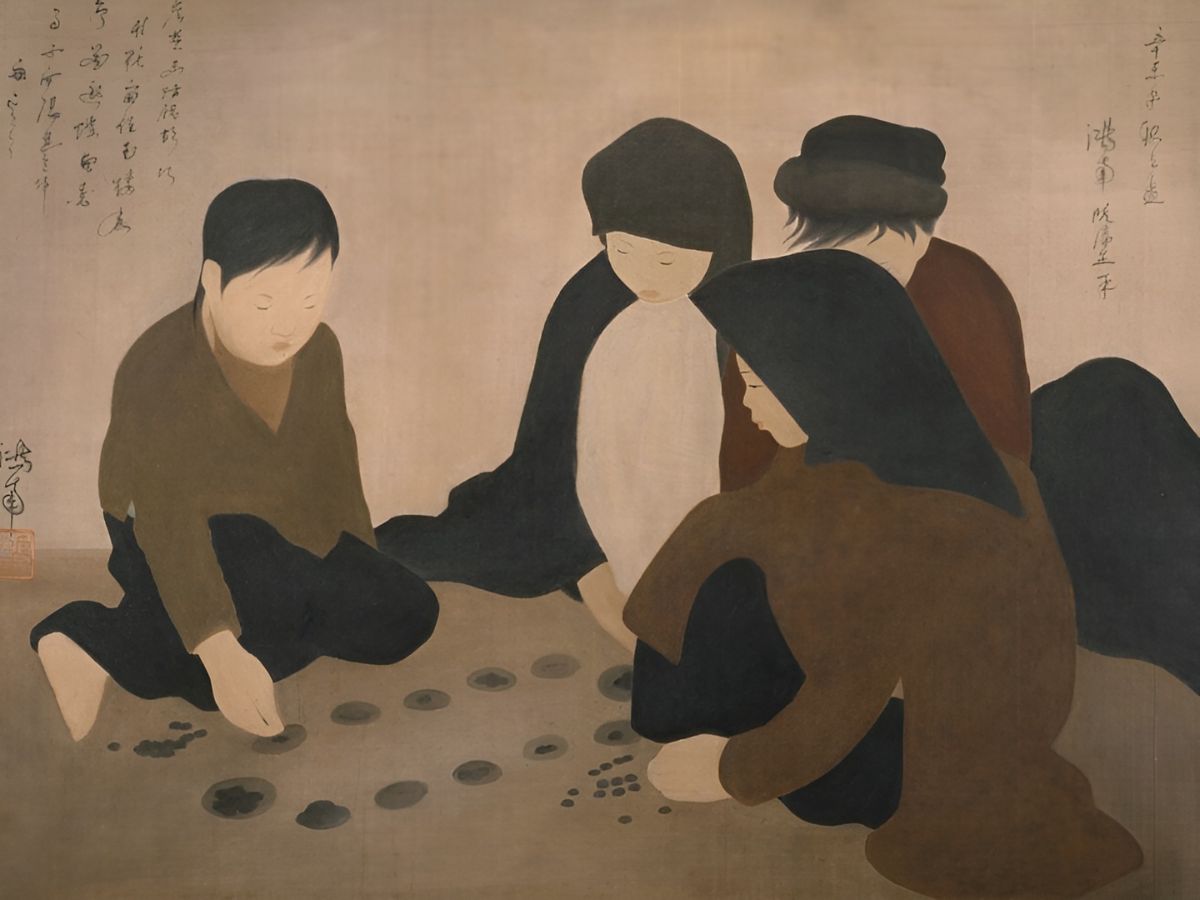
Silk painting is a traditional art form where artists work directly on silk rather than paper or canvas. The fabric’s natural luminosity adds a depth and warmth to brushwork that other surfaces don’t offer in the same way. In Vietnam, painter Nguyen Phan Chanh used silk for the vast majority of his work and is still considered the defining figure of the form.
Vietnam is also home to TrungDinhSilk, a luxury label working in Áo dài and hand-painted silk art. They pioneered ombre dyeing and one of a kind hand-painting techniques on silk, producing pieces that sit somewhere between fashion and cultural artifact.
Why MsKÉN Works with Silk
When we started building MsKÉN, the question we asked about materials wasn’t “what’s the cheapest option?” or “what’s trending right now?” It was simpler and more important than that “What fabric is genuinely good for the people who will wear it?” Silk kept coming back as the answer. We hold our customers’ health to the same standard we hold our own, it’s not a separate consideration. But quality alone was never the whole picture. Every product MsKÉN makes is also an opportunity to bring something of Vietnamese culture into the worldand to put the work of Vietnamese artisans before an audience that might not otherwise encounter it.
We hope this has given you a clearer sense of what silk actually is and why it has earned the title “queen of fabrics” over thousands of years. For MsKÉN, bringing Vietnamese silk to a global stage is keeping cultural values alive in the most direct way possible, not preserved behind glass in a museum, but worn, used, and carried into everyday life by the people who choose it.