Have you ever walked into a silk store, picked up two scarves from the same shelf, and noticed they felt completely different, one light and barely-there, another substantial and smooth yet couldn’t figure out why the price difference was so steep? The answer, almost always, comes down to one number: momme.
This article breaks down what momme actually means, how it affects the silk you’re holding, and why a higher number doesn’t automatically mean a better product.
What Is Momme?
Momme (pronounced “mom-ee,” abbreviated as mm) is the unit of measurement used to express the weight and density of silk fabric. It tells you how much silk is packed into a given area of cloth, and from that, you can draw conclusions about thickness, durability, drape, and overall quality.
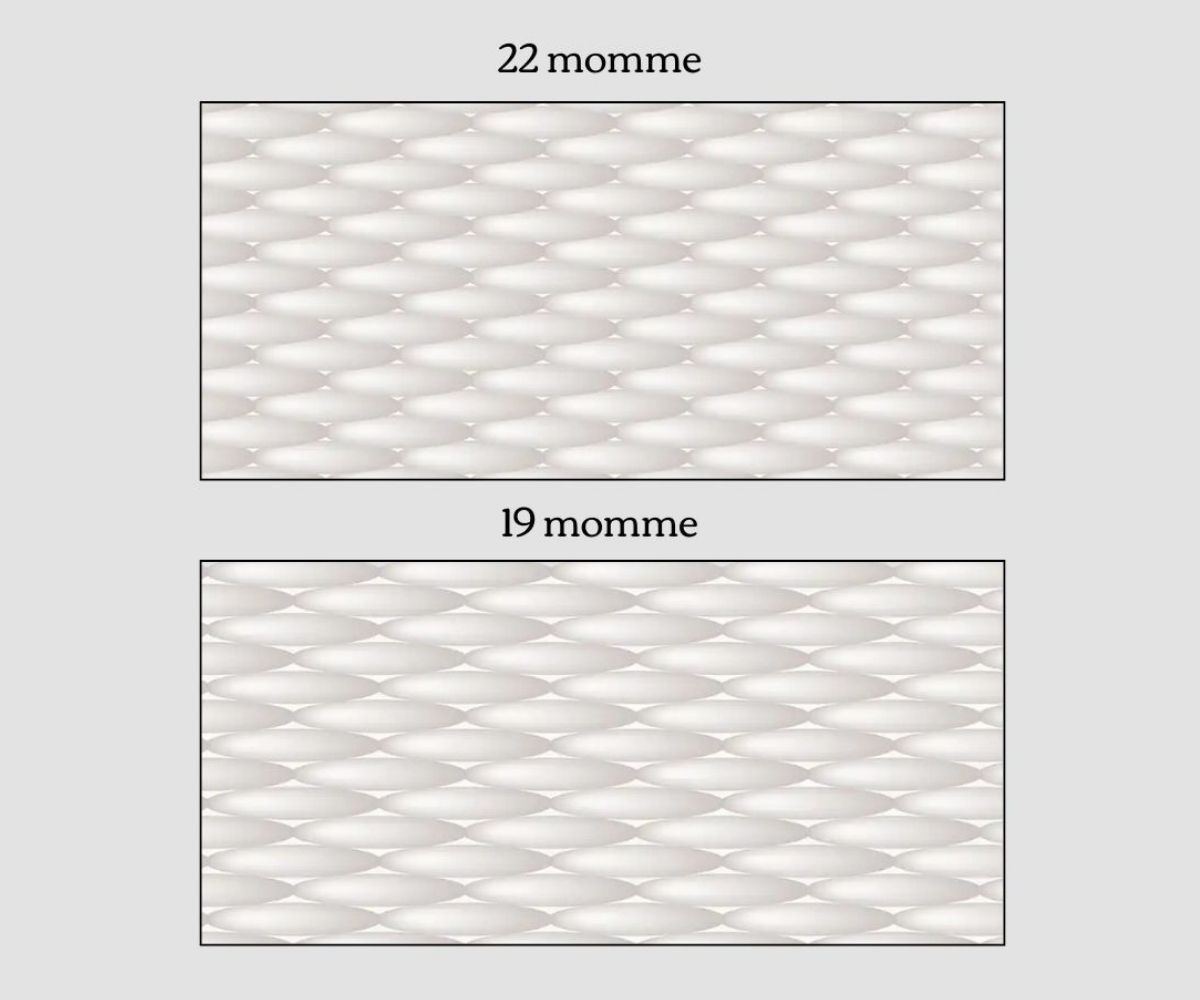
The conversion is straightforward: 1 momme = 4.34 grams per square meter (g/m²). The higher the momme count, the heavier and denser the fabric, and the more silk threads woven into each square unit of cloth.
Where the term comes from
Momme is a traditional Japanese unit of measurement with roots in the feudal era, when it was originally used to weigh precious metals, gold and silver. During the Edo period (17th – 19th century), as Japan’s silk trade expanded significantly, the unit was adapted to measure raw silk by weight. Its precision made it well-suited to the delicate nature of silk fibers, and it gradually became an international industry standard, the one still used by silk producers and retailers worldwide today.
Why silk uses momme instead of thread count or GSM
Silk fibers are extraordinarily fine, far thinner than cotton or synthetic threads. Measuring silk by thread count (the standard for cotton bedding) produces numbers that are hard to interpret meaningfully. GSM (grams per square meter), the metric used across most of the textile industry, works better but lacks the historical specificity and recognition that momme carries in the silk trade. For silk, momme has become the most reliable and universally understood shorthand for what you’re actually getting.
How Momme Affects the Quality of Silk
Momme isn’t just a weight measurement; it directly shapes how silk looks, feels, and holds up over time. When momme changes, four core properties of the fabric change with it.
Durability and longevity
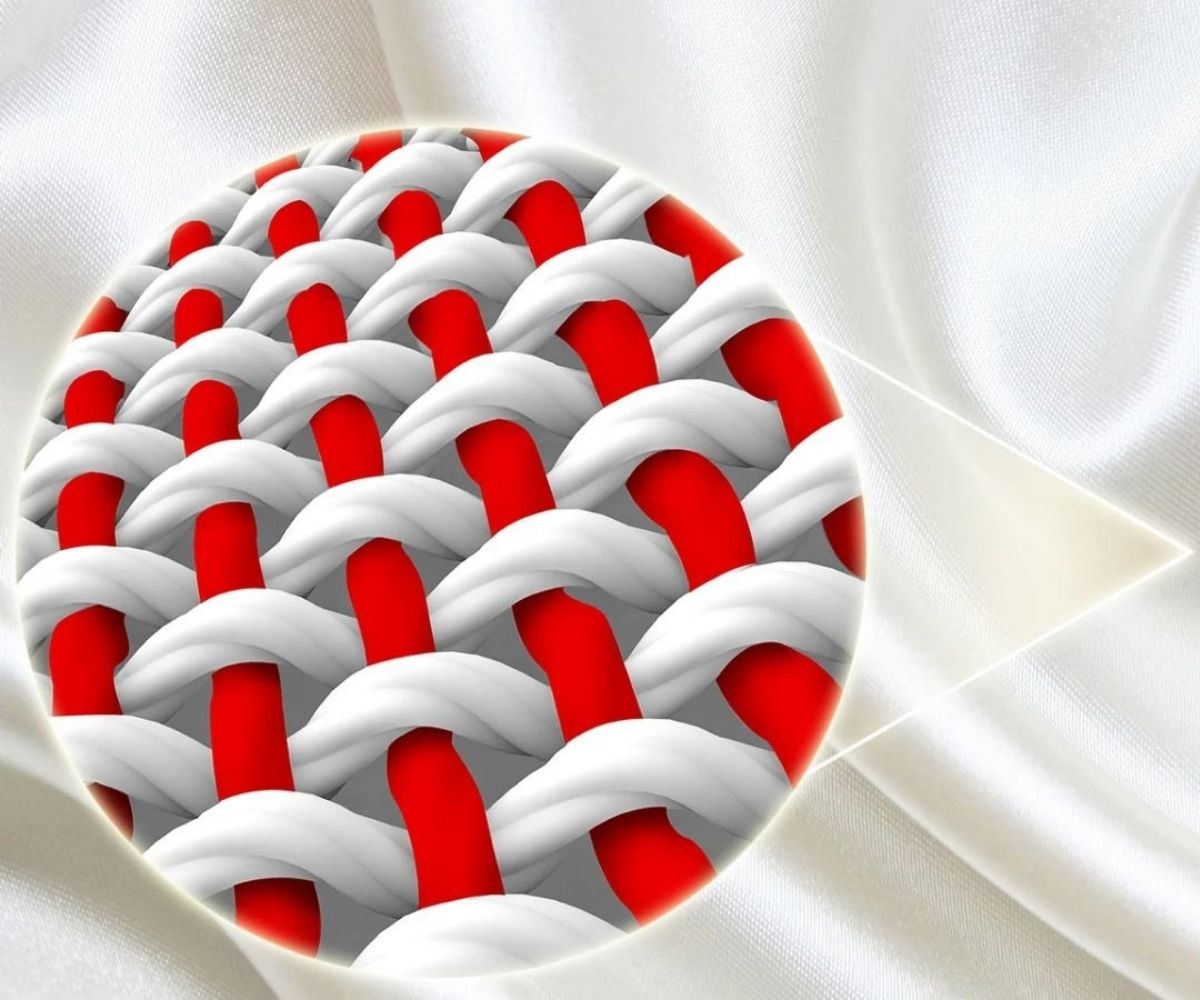
The relationship here is straightforward. Higher momme means more silk fibers per unit area, which means a tighter, more interconnected weave structure. A fabric with a low momme count (under 14mm) has a sparser weave. The threads are more spread out, leaving the fabric thinner and more vulnerable to snagging, tearing, or seam separation under tension or in a washing machine. A high-momme fabric (19mm and above) has a much denser structure that handles stress significantly better and lasts considerably longer.
Drape
Lower momme silks are lighter, which makes them fall and move more naturally, closer to floating than hanging. This is precisely why silk scarves tend to use lower momme counts than, say, silk bedding or formal garments. The soft, fluid drape of a fine silk scarf comes partly from that lightness.
Color retention
Silk’s natural composition, primarily the protein fibroin, gives it an inherent ability to bind with dye molecules. Higher-momme fabrics contain more protein per square meter, which means more binding sites for pigment. The denser weave structure also acts as a kind of trap, holding dye molecules deep within the fabric’s core rather than letting them sit near the surface where they’re more easily washed or worn away. The result is richer, deeper, longer-lasting color.
How it feels against the skin
Lower momme silks feel light, cool, and almost weightless, ideal for warm-weather scarves and lightweight accessories. Higher momme silks feel more substantial, smooth, and grounded, the kind of fabric that immediately communicates quality when you pick it up.
Does Higher Momme Always Mean Better Silk?
No, this is probably the most important thing to understand about momme before making a purchase.
Momme measures weight and density. It does not measure overall silk quality. A higher momme count tells you that more silk is present per unit of cloth, but it says nothing about the quality of those silk fibers themselves, the weave structure used, or whether the fabric is appropriate for its intended purpose.
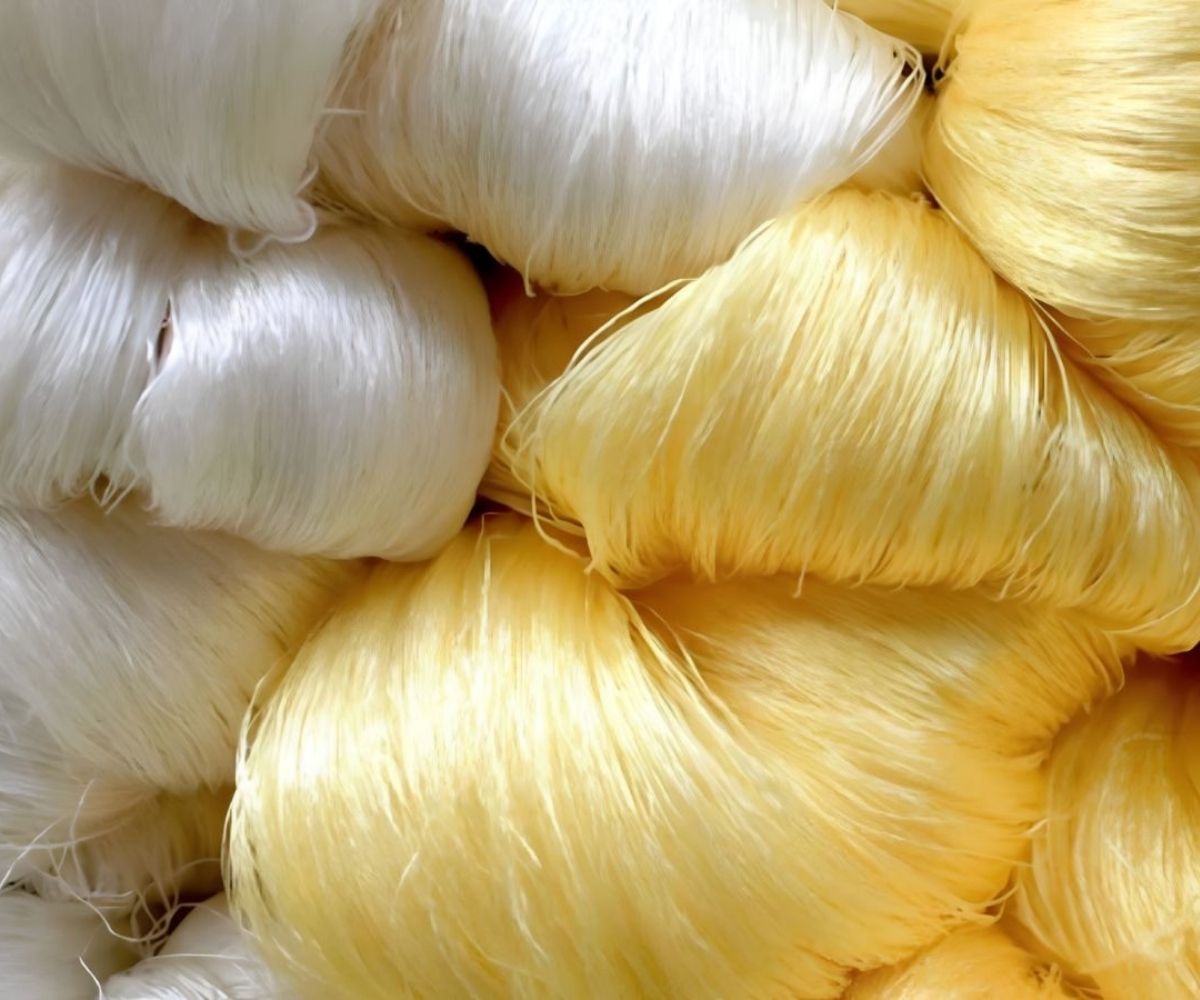
A 22mm silk scarf isn’t inherently better than a 16mm silk scarf, it’s just heavier. For a scarf, that extra weight may actually work against you by reducing the natural drape that makes silk scarves so appealing in the first place.
Two other factors matter just as much as momme: Silk fiber quality (grading) is the raw silk itself varies significantly in quality. Silk grading systems (ranging from 6A, the finest, most consistent, most lustrous, down through 5A, 4A, and lower) reflect the length, uniformity, and sheen of individual threads. A 20mm fabric made from 6A-grade silk and the same weight fabric made from 3A-grade silk will feel and perform very differently. Seasonal and environmental factors is the time of year silkworms spin their cocoons affects fiber quality. In dry conditions, the sericin (the natural protein coating around the fiber) dries quickly and sets evenly, producing stronger, more consistent threads. During humid or rainy seasons, the fiber takes longer to dry, which can make threads more brittle and prone to breaking during reeling. This is part of why silk harvested in spring and autumn tends to be of higher quality than summer-harvested silk.
Momme Guide by Product Type
Not sure what momme count to look for? Here’s a practical reference:
| Momme range | Best suited for |
| 6–12mm | Very lightweight scarves, sheer overlays, lining fabric |
| 14–16mm | Square scarves, ribbonie/twilly accessories |
| 16–19mm | Shirts, blouses, scrunchies, lightweight garments |
| 19–22mm | Pyjamas, pillowcases, duvet covers, Áo dài |
| 22–25mm | Premium home furnishings, haute couture garments |
As a general principle: match the momme to the purpose. Lightweight accessories should be lighter; items that need to hold their structure or withstand regular use should be heavier.
A Note on MsKÉN’s Approach to Momme
At MsKÉN, every silk product is made to at least 16mm momme, from our square silk scarves (16mm) to our silk scrunchies (19-25mm). We publish the momme count for each product because we believe people buying silk should know what they’re actually getting. A well-made silk product isn’t just about a beautiful design; it starts with the right weight of silk for its purpose.
Conclusion
Momme is a genuinely useful number once you know how to read it, but it’s one input, not the whole picture. The right momme for a scarf is different from the right momme for a pillowcase, and a high momme count in poor-quality fiber is still poor-quality silk. Understanding all three factors, momme, fiber grade, and weave structure, gives you a much clearer picture of what you’re actually buying than any single number can on its own.
We hope this gives you a more grounded way to evaluate silk products, whether you’re shopping in a store or reading a product description online. Once you know what to look for, the difference between genuine quality and a convincing imitation becomes much easier to spot.